
How to Become a High Achiever? An Ultimate Pro Success Playbook
I’m Ryan Zofay. I am a high achiever personal development, life, and business coach. From my experience in building businesses, leading teams, and coaching high achievers, I’ve learned one important thing:
Your results don’t rise to your potential. They fall to your standards and systems.
Most people don’t fail because they’re not smart enough. They fail because they get caught in negative cycles. These include burnout, self-doubt, procrastination, intense emotions, and bad habits. The goal of this guide is to help you break negative, deep-rooted beliefs with practical tools you can actually use for higher achievement.
Mindset & Personal Development for High Performers
I want to share something personal, because it matters for why I help others today. For a long time, no one would’ve looked at my life and called me a “high performer.” I came from a broken home, lost people I loved, battled addiction, and ended up homeless. On paper, I was a statistic. Today, I am a founding father of nine‑figure, We Level Up behaviroal health clinics. I’m an online life coach, training leaders and executives. I aim to help people all over the world change their lives. The difference wasn’t talent or luck. It was mindset, daily habits, and a decision to grow no matter what.
This guide is your home base if you’re serious about lifting yourself up. Whether you are a founder, executive, creator, or changing your life, these are the tools I wish I had when I felt stuck. We’ll explore powerful articles, guides, and tools on personal development and leadership growth. We’ll dig into the exact high achiever meaning.
Jump To
Table of Contents
High Achiever Mindset
Build the Habits, Beliefs & Systems for Next‑Level Success
Discover what it really means to be a high achiever and how to build it from within. Learn new ways of thinking, daily habits, and simple tools. Use goal worksheets, time-blocking templates, and burnout recovery methods. Get growth mindset coaching to achieve lasting success in life, business, and leadership
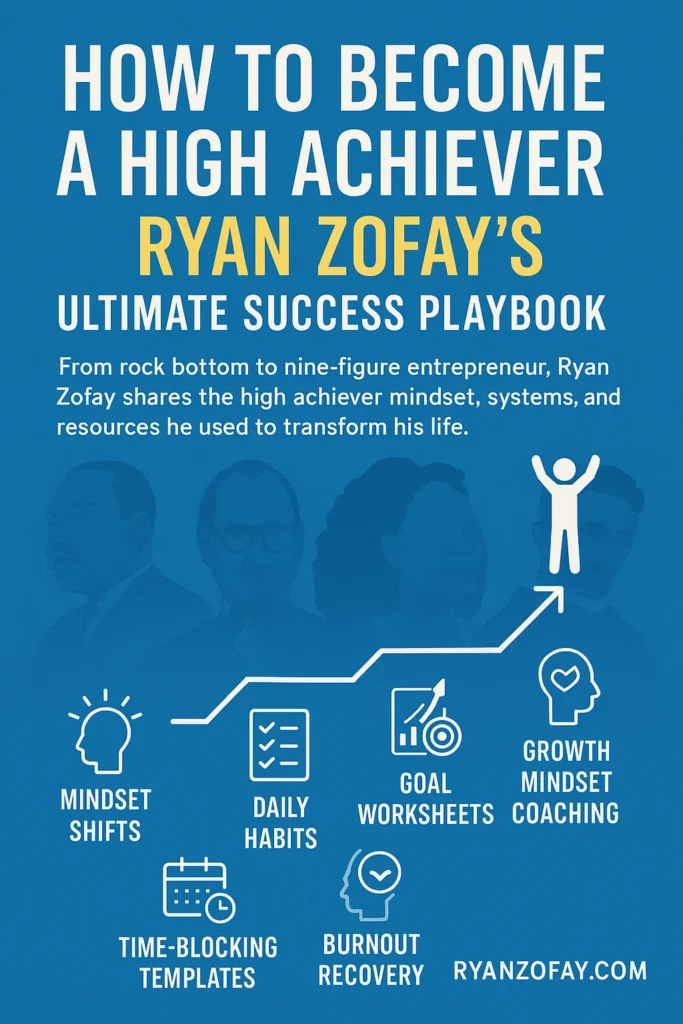
This pillar guide connects you to my best mindset and personal growth content on my site. I will share the frameworks I use for a high achiever client. You will find simple activities to try today. I will also include links to deeper guides. These guides have tests, templates, and step-by-step posts. This way, you can build momentum quickly.
What is the High Achiever Meaning Exactly?
To define high achiever, it is someone who seeks lasting excellence. They consistently perform well in work, relationships, health, leadership, and purpose. It is less about being “the best in the room.” It is more about always becoming the best version of yourself, especially under pressure or after setbacks.
Many high achievers succeed despite labels, diagnoses, or complex backgrounds, using resilience and determination to turn obstacles into fuel. If you are wondering, “I don’t know what to do with my life?” it may be because you are facing challenges. This question can help you discover your next identity as a high performer.
High achievers operate from standards of success and systems, not just motivation or raw talent. Most people get stuck in cycles of burnout, self-doubt, and emotional reactions. In contrast, high performers know how to reset quickly and stay true to their values. We’ll examine high achiever tools, tests, books, and frameworks. Each of these high-achiever protocols can help you overcome self-limiting beliefs. This will allow you to achieve sustainable high achiever performance.
High achievers are not born; they are made. This happens through mindset, habits, and systems. These elements help turn potential into steady performance and real impact. If you’re wondering what direction your life should take, start with the foundational guide: what should I do with my life. It guides you on purpose, clarity, and aligned action. This way, your drive as a high achiever leads to what truly matters.
Watch these videos and get ready to level up.

Top 10 Steps for High Achiever Success
High-achievers excel by stacking distinct, targeted behaviors rather than repeating the same generic advice. Here are ten unique, practical steps. Each step provides tips, activities, and examples to support high achievement.
1. Clarify your “why” at a deep emotional level
Clearly state why you want to be a high-achiever. Link this to your personal struggles, values, and future goals. This connection will help keep your motivation strong during tough times. This strong emotional purpose serves as the anchor for your mindset, habits, and beliefs.
Learn more: 1 – High Achiever: Success Mindset & Habits Overview.
- Tip: Make your “why” specific, emotional, and tied to people you care about, not just money or status.
- Insight: When your purpose is strong, your nervous system learns to overcome resistance. It does not choose comfort.
- Activity: Write a one-page “Why Manifesto.” Describe who you are becoming and who you are doing it for. Also, explain what pain you refuse to relive. Consider writing a letter to your future self.
- Example: “I refuse to repeat my family’s cycle of addiction and chaos. I’m building a life that becomes proof change is possible for others.”

2. Rewrite your personal story into an empowering identity
Look at your past failures, losses, and mistakes. Then, change how you see them. Think of them as training reps that built your resilience, not as proof that you are broken. This identity shift—from “damaged” to “built by adversity”—is a common pattern among top performers. They transform childhood trauma into fuel (waldenu).
Learn more: 2 – Mindset Coaching: From Limitation to Empowerment.
- Tip: Shift from “this happened to me” to “this built me” language when you talk about your past.
- Insight: Your identity shapes your actions. When you see yourself as a leader, survivor, or creator, your daily choices reflect that identity. Learn to improvise adopt overcome.
- Activity: Write two versions of your story. One is the old victim version. The other is the upgraded “forged by adversity” version. After that, only share the second one.
- Example: Instead of “I messed up and went to jail,” use “I went to rock bottom, learned who I really am, and that became my launchpad.”

3. Design “non‑negotiable” standards instead of loose goals
Turn vague goals into written standards that describe who you are and what you always do, not just what you hope to achieve. High-achievers use standards like minimum daily actions with response rules under stress. They apply relationship boundaries to make excellence automatic instead of optional.
Learn more: 3 – Standards for Success in Life & Workryanzofay
- Tip: Replace “I want to” with “I always” or “I never” statements.
- Insight: Standards act like rails for behavior; they reduce decision fatigue and make excellence automatic.
- Activity: Write five personal standards. For example, say, “I always do a 10-minute morning review” or “I never compromise my integrity for money.”
- Example: Goal: “I want to get fit.” Standard: “I train at least 4 days a week, no excuses, even when traveling.”


4. Audit and upgrade your core beliefs about failure, success, and worth
Write down what you currently believe about success. Think about statements like, “People like me can/can’t…” Then, change any negative beliefs. Replace them with beliefs that encourage growth, responsibility, and learning. High performers believe that effort is important. They think feedback is helpful and see failure as useful information. This mindset leads to different behaviors and greater resilience.
Learn more: Beliefs About Reading, Righting Life, and Growth Mindset
- Tip: When something goes wrong, ask “What is this here to teach me?” instead of “Why is this happening to me?”
- Insight: High-achievers treat mistakes as information, not identity statements, which keeps shame from shutting them down.
- Activity: After a setback, take 5 minutes for a “failure debrief.” Think about what worked, what didn’t, and what to change next time.
- Example: A failed launch becomes, “Great, now I know which offer doesn’t resonate. Next version will be tighter and clearer.”

5. Build a “success syllabus” and treat your life like a school
Instead of just learning passively, make a written plan for yourself. Include specific skills, books, mentors, and training you will finish in the next 12 months. High achievers improve their skills through focused education. This is like how structured programs help adults change their mindset and behavior
Learn more: Success Ed Program for Adult Achievers
- Tip: Treat your growth like a structured program with modules and deadlines.
- Insight: When you organize learning around skills (leadership, sales, communication, emotional mastery), your progress compounds faster.
- Activity: Pick 3 key skills to master this year. For each skill, choose 3 books, 1 course, and 1 mentor or role model to learn from.
- Example: Skill: Leadership. Books: 3 hand-picked leadership titles. Course: a communication or influence course. Mentor: a podcast or leader you study weekly.


6. Create small, repeatable “win loops” to stack confidence
Make small daily commitments. These can be a quick morning reflection, a short reading session, or one bold outreach. They should be easy to do but still meaningful. Each completed loop strengthens the belief, “I keep my word to myself.” This belief is key for confidence and strong performance.
Learn more: How to Be Successful in Life & Business: My 9-Figure Blueprint & Guide.
- Tip: Make your daily commitments so small you can keep them even on your worst day.
- Insight: Confidence is primarily built by self-trust—proving to yourself “I do what I say I’ll do.”
- Activity: Choose three 5-minute habits (reflection, reading, outreach, gratitude, breathwork) and track them in a simple checklist.
- Example: Even on a chaotic day, you still read 2 pages, send 1 bold message, and do 10 deep breaths—your streak stays alive.

7. Systematically remove low‑value behaviors from your life
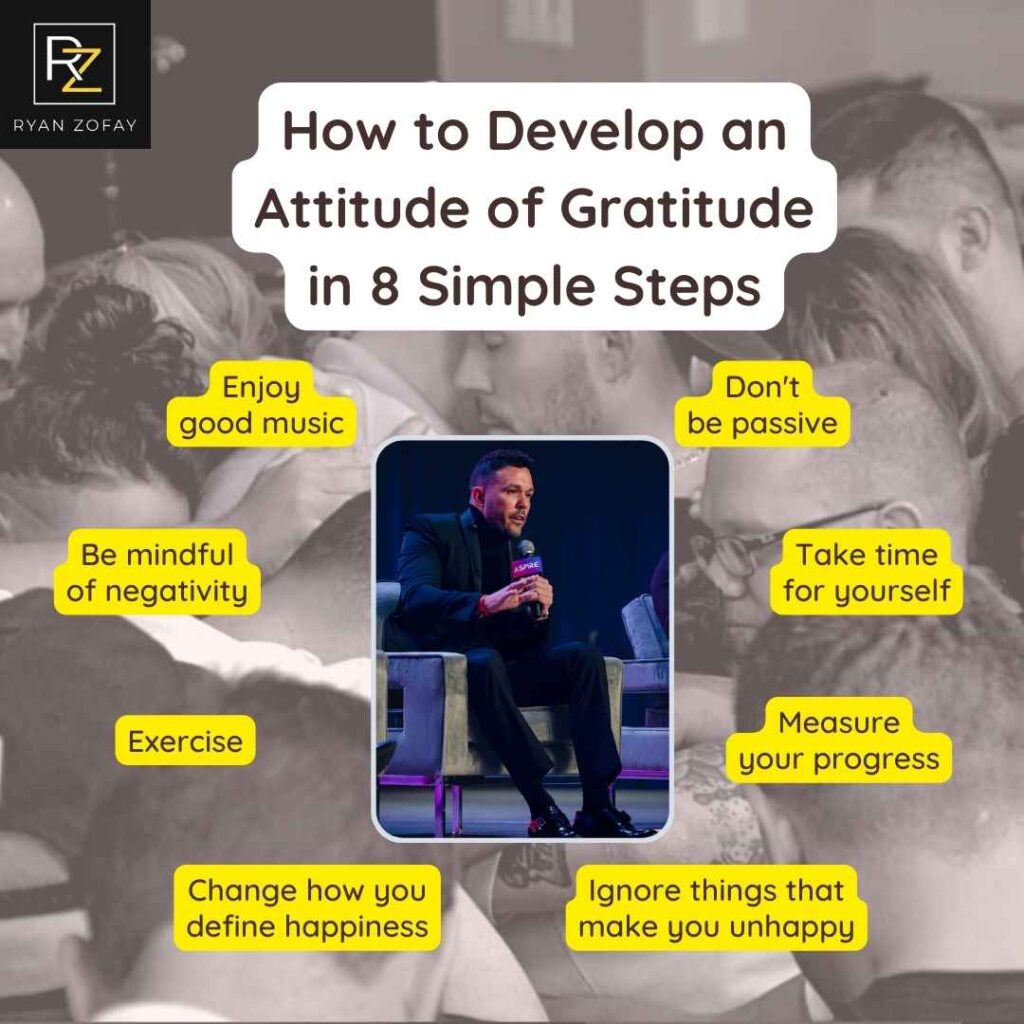
Instead of only adding good habits, make a list of your biggest time-wasters. Also, identify emotional triggers and places that distract you from being your best self. High-achievers protect their focus and energy by aggressively pruning distractions, tolerations, and toxic influences.
Learn more: 21 Self-Improver Strategies to Transform Your Life. Powerful self-improver Habits you can Master.
- Tip: Subtract before you add; every new high-value behavior needs space and energy you reclaim from something else.
- Insight: You don’t rise to your intentions; you fall to your environment and lowest habits.
- Activity: Create a “Stop Doing List” with 5 behaviors. Include things like doom scrolling, late-night junk food, or talks with people who bring you down.
- Example: Spend one hour learning, planning, or talking with a great person instead of scrolling at night.

8. Practice emotional regulation under pressure, not just when calm
Practice how you will think, breathe, and react in tough situations like conflict, rejection, or criticism. This way, you can stay in control when it matters most. Research on high performers shows they are good at managing their emotions. This helps their skills and preparation shine when they are under stress (waldenu).
Learn more: Mindset Coaching: Emotional Mastery & Leadership.
- Tip: Rehearse how you will respond when triggered—mentally and physically—before the trigger shows up.
- Insight: Staying calm under pressure is important. It sets high achievers apart from talented people who struggle to perform well.
- Activity: Choose a common trigger like criticism, rejection, or financial stress. Write down your response. Include your breathing pattern, a phrase to repeat, and one action you will take next. Practice breathwork for deeper purpose.
- Example: When someone criticizes you, take a deep breath for 10 seconds. Then, think, “Feedback is data, not a judgment.” After that, ask, “What’s one thing I can improve?”

9. Normalize high standards through strategic relationships
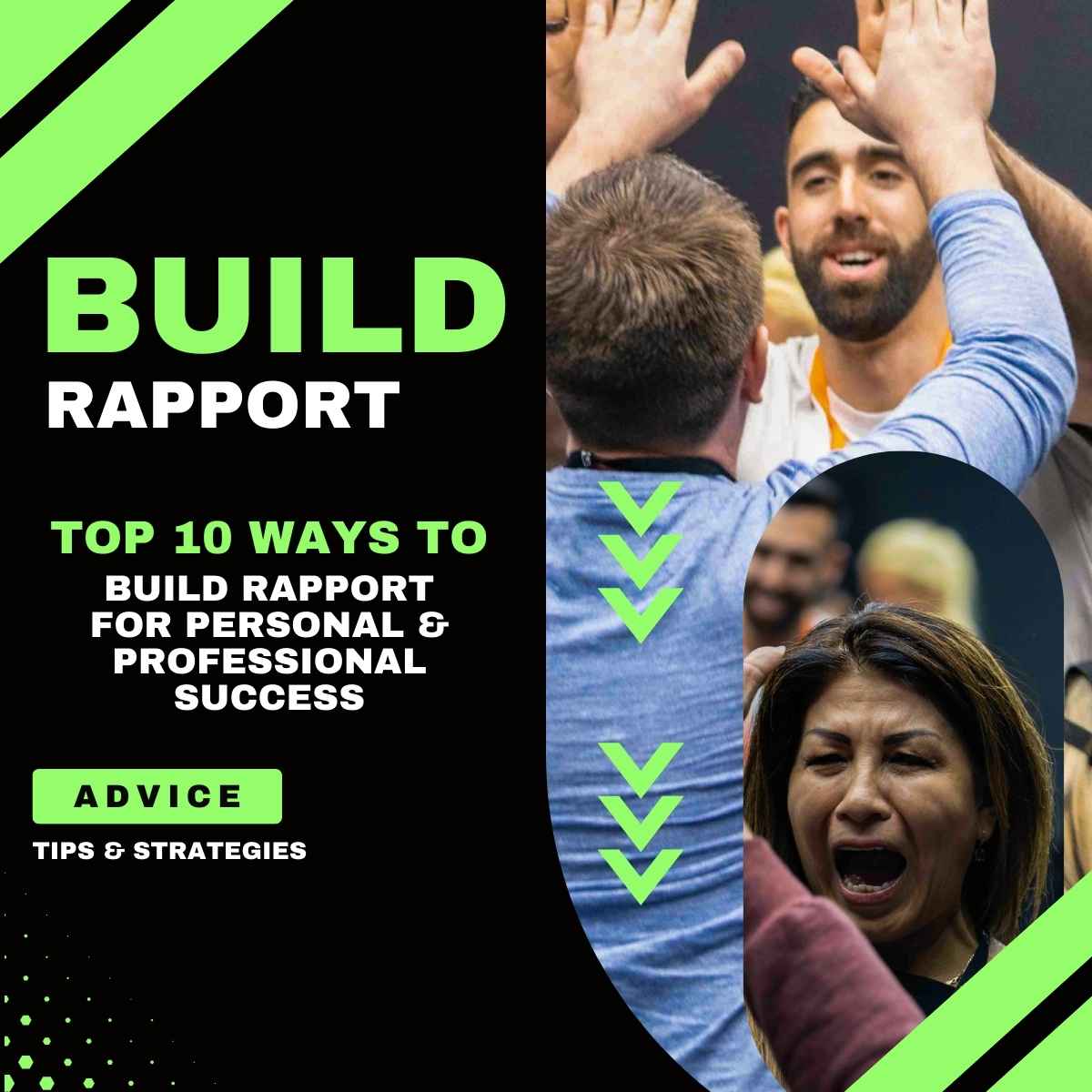
Look for groups, masterminds, or communities where your best is just average. This way, excellence will become your new standard. Being around people who value discipline, integrity, and ambition can change your perspective. It can help you see new possibilities for your life.
Learn more: Top 10 ways to build rapport best advice to building rapport.
- Tip: Spend more time with people who pull you forward than with those who keep you comfortable.
- Insight: Your standards are heavily influenced by the group you emotionally identify with.
- Activity: Write down your five closest relationships. Note if each one drains or lifts you. Spend more time with those who lift you up
- Example: Join a mastermind or group where sharing monthly wins, goals, and honest feedback is the norm.


10. Convert every breakthrough into a repeatable system
Whenever you achieve a win, write it down. This could be closing a big deal, overcoming a craving, or reaching a goal. Note the steps you took, the triggers you faced, and the support you received that helped you succeed. High achievers don’t just celebrate their wins. They turn these wins into checklists, routines, and principles. They can use these again and teach others. (asaporg)
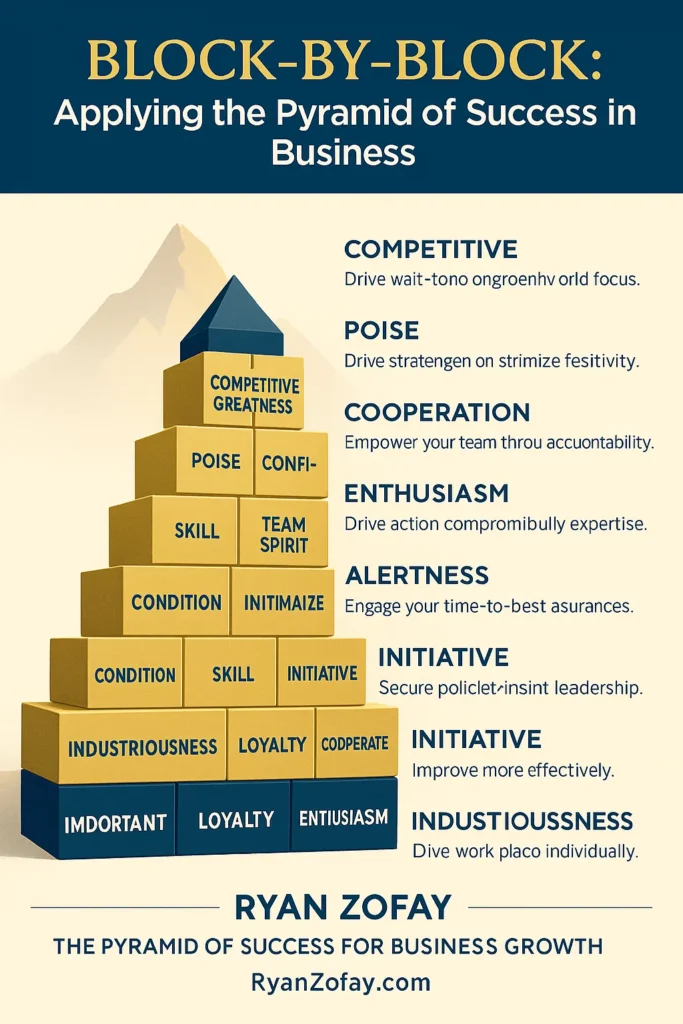
Learn more: Pyramid of Success Self-Assessment Scorecard

- Tip: Anytime something works, immediately document the steps while they’re fresh.
- Insight: Systems turn luck into consistency; they’re how high-achievers replicate success across different areas of life.
- Activity: For your next big win, like a deal or a fitness goal, write a simple checklist. Make it 5 to 10 steps. List what you did and what you will do again.
- Example: Your “big client close” becomes a scriptable process: outreach method, call framework, follow-up sequence, and emotional prep.
Snapshot: 10 distinct high-achiever steps
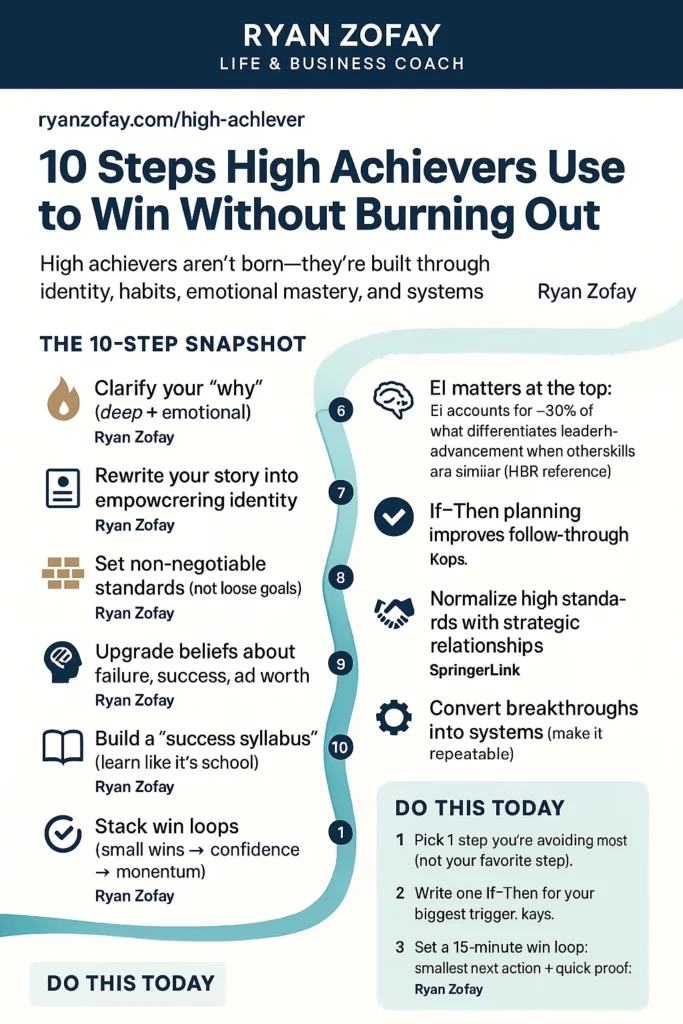
| # | Step focus | Unique high-achiever behavior |
|---|---|---|
| 1 | Purpose | Tie your drive to a deep emotional “why” that outlasts obstacles. |
| 2 | Identity | Rewrite your story so adversity becomes a source of strength, not shame. |
| 3 | Standards | Replace loose goals with written non-negotiable standards of behavior. |
| 4 | Beliefs | Audit and upgrade core beliefs about failure, success, and self-worth. |
| 5 | Learning | Build a yearly “success syllabus” and treat life like school. |
| 6 | Confidence | Use daily micro-wins to prove you keep your word to yourself. |
| 7 | Environment | Systematically remove low-value habits and draining environments. |
| 8 | Emotions | Train emotional regulation specifically for high-pressure moments. |
| 9 | Relationships | Surround yourself with people who normalize excellence and integrity. |
| 10 | Systems | Turn every breakthrough into a repeatable, teachable system. |
External reference: Psychological research on high achievers highlights themes like perseverance, strong internal motivation, and deliberate practice as key drivers of sustained success (waldenu).
Evidence-Based Leadership Upgrade (Key Stats + Leader-Ready Actions)
Use these three proven tools: Emotional Intelligence, If–Then planning, and Mindfulness. Then create a simple weekly plan. This plan should include standards, time-blocking, win loops, pressure plans, and one effort metric.
| Study / Findings / Stats | My insights + tips |
|---|---|
| 🧠 EI & leadership outcomes (HBR / Goleman): Emotional intelligence is often cited as a major differentiator for leadership advancement—commonly summarized as ~90% of the difference when IQ/technical skills are similar. Study | Make EI operational, not inspirational: Pick one relationship (boss, peer, direct report) and run a weekly “connection rep”: 1) ask a clean question, 2) mirror back what you heard, 3) confirm the next step. Your influence goes up when people feel understood and see consistent follow-through. Find more support: https://ryanzofay.com/success-coach-guide/ |
| ✅ If–Then planning (Implementation intentions): Meta-analysis shows medium-to-large improvements in goal attainment (d ≈ 0.65, across many tests). Study | Pressure-proof your day: Write one If–Then for your top trigger (energy dip, avoidance, overwhelm). Example: “If I hit resistance at 3pm, then I do a 2-minute reset + 10-minute priority sprint.” This turns discipline into a system response, not a willpower fight. Find more support: https://ryanzofay.com/coaching-center/ |
| 🧘 Workplace mindfulness (RCT meta-analysis): Randomized controlled trial evidence in workplace mindfulness programs supports stress reduction improvements. Link: Study | Use mindfulness as a performance tool (not a vibe): Add a 2-minute “reset ritual” before your most important block (meeting, prospecting, deep work): breathe, label the emotion, choose the next action. Your nervous system sets your standard. Find more support: https://ryanzofay.com/how-to-be-successful/ |
Practical Steps (actionable, leader-ready)
Build your “High Achiever System” (5-part loop):
- 🎯 Define 1 non-negotiable standard (daily minimum)
- 🗓️ Time-block the standard (same time, same trigger)
- 🔁 Create a “win loop” (tiny action → quick proof → repeat)
- 🧯 Plan for pressure: write 1 If–Then for your top obstacle (e.g., “If I feel overwhelmed at 3pm, then I do a 2-minute reset + 10-minute priority sprint.”) Kops
- 📈 Track one metric weekly (effort-based, not ego-based)
Practical “Do This Today” Mini-Plan (fast + scannable)
- Pick 1 step you’re avoiding most (not your favorite step).
- Write one If–Then for your biggest trigger. Kops
- Set a 15-minute win loop: smallest next action + quick proof. Ryan Zofay
- End your day with: “What worked? What’s the system?” (1 minute)
High Performance Without Burning Out
Burnout is not a personal weakness. It is your nervous system telling you that your workload, boundaries, or routines are too much to handle. Many high achievers who think long-term practice mindfulness regularly as an essential tool for good performance. It is not just a reward for when they feel worn out.
If you feel exhausted, numb, or stuck in “grind mode,” read: how to recover from burnout. You will find easy reset steps: sleep, cut back on commitments, move your body, and connect with others. These steps will help you feel better and perform like a high achiever again without harming your health.
The high performers I coach tend to share a few things in common:
- They’re clear (or becoming clear) about what they want their life to stand for.
- They take radical ownership of their choices and results.
- They know how to reset themselves emotionally when things go sideways.
- They build systems and habits that support success rather than sabotage it.
If you feel lost about your direction, start by checking my guide on how to find your passion. I’ll walk you through practical ways to choose a path that fits who you are, not who you think you’re supposed to be.
Remember, high performance is not about grinding until you collapse or pretending you’re “on” 24/7. It’s about sustainable excellence. This means showing up consistently at a high level in critical areas. These areas include your work, your relationships, your health, and your purpose. It also means adopting an abundant mindset vs scarcity. And learning to improvise, adapt, and overcome obstacles at every turn.
The Inner Game vs. The Outer Game
Most people obsess over tactics—what app to use, what strategy to try, what funnel to build. That’s the outer game. It matters, but it’s not the whole story. The inner game—your beliefs, self‑talk, emotional patterns, and identity—will quietly decide how far you actually go. It sets the ceiling for your outer game (your results, income, leadership, and relationships).
Try this simple reflection:
- Think about one area of your life where you keep hitting the same wall.
- Ask yourself, “If a belief were driving this pattern, what would that belief be?”
- Write down 3–5 possibilities, even if they sound harsh or irrational.
- Then rewrite each one into something truer and more empowering.
To understand and rewrite the stories steering your life, dive into beliefs about reading and about righting your life. This guide explains how your beliefs affect your behavior. It also shows why changing your inner story is essential for anyone who wants lasting success. For a focused look at how beliefs drive outcomes across every area, go deeper with how your beliefs shape your life.
Building an Unshakable Growth Mindset
High achievers share one core trait: they interpret setbacks as training rather than proof that they’re not enough. If you are looking for structured help making that shift, check out growth mindset coaching. This resource explains how to change fixed beliefs into growth-oriented thinking. It also shows how to build “proof actions” that support your new identity as a high achiever. On the hard days when you need quick fuel, lean on resilence boosting affirmations and bookmark them as a mental reset.
From “Why Me?” To “What Now?”
A turning point in my life was when I stopped asking “Why did this happen to me?” and started asking “What am I going to do with this?” That mental shift is the essence of a growth mindset. You still feel the pain. You still get frustrated. But underneath it all, you’re asking, “How can this make me stronger, wiser, more useful to others?”
You can practice that shift right now:
- Pick one challenge that’s currently weighing on you.
- Write down your automatic story about it: “This always happens to me because…”
- Now write a second version that starts with, “This is an opportunity to learn how to…”
- Circle one action from that second version that you can take in the next 24 hours.
For extra fuel on the hard days, check out my collection of resilience quotes for strength and motivation. It’s a resource you can come back to when you need a reminder that you’re not alone in the struggle and that pushing through is worth it.
Rewiring Limiting Beliefs
If a voice in your head keeps whispering “You’re not ready,” “You’re not that kind of person,” or “People like you don’t do that,” you can’t just out‑hustle it. You have to rewire it.
Here’s a simple four‑step process:
- Spot the belief. Notice the sentence that shows up whenever you dream bigger.
- Track its origin. Who did you hear that from? When did it first feel true?
- Challenge it. Find at least three examples—either from your own life or others—where that belief clearly isn’t true.
- Replace it. Create a new belief that feels a bit scary but believable. Repeat it daily while taking small actions that prove it right.
No matter how ambitious you are, inner doubts like “I can’t do this” or “I’ve never done this before” quietly cap your performance. You cannot out‑hustle a deep rooted belief that is constantly pulling you back to your old identity. You must reshape your inner strenth and beliefs.
If you want structured help doing this, use my self‑love journal prompts for confidence and healing. They’re designed to bring the unconscious stuff to the surface so you can finally work with it instead of being controlled by it. They help you recognize the belief, find out where it came from, and replace it with a stronger story supported by action. For a deeper mindset immersion reference and, download the millionaire mindset book free PDF. Explore the thinking patterns that helped transform my troubled past into founding a nine‑figure business.
Emotional Mastery for High Performers
Big goals amplify emotions. Think of fear around money, frustration with people, shame from past mistakes, anxiety about the future. High achievers learn to name what they feel, normalize it, and then choose a wise next move instead of letting emotion dictate their decisions.
To understand what’s happening in your brain and body under pressure, read how to master your emotions. That resource explains how emotional states bias choices so you can build better in‑moment reset tools. To benchmark where you are and grow your capacity as a leader, take the free emotional intelligence test. Use the results to focus your next 30 days of inner work.
Making Better Decisions When You’re Triggered
When you’re building something big, emotions run high—fear around money, frustration with teams, shame from past mistakes. If you don’t learn to manage what’s happening inside, your emotions will hijack your decisions.
Here’s a quick in‑the‑moment reset:
- Name it: “Right now I feel anxious and embarrassed.”
- Normalize it: “Anyone in my position might feel this.”
- Nudge yourself forward: Ask, “What is the next wise move I can make even while I feel this?”
You don’t have to wait until you’re calm to do something smart. You just need a gap between the feeling and your reaction. For a deeper dive into this, read my article on ways to overcome emotions and decision‑making. I unpack what actually happens in your brain under stress and how to train better responses over time.
Turning Pain Into Power
Many high achievers are motivated by past pain, like loss or failure. They change when they use this pain as fuel. Instead of letting it control them, they make it a conscious choice. Thinking about past seasons and the strengths you gained, like resilience, empathy, courage, and perspective, can give you an edge.
Like many of my clients I too was driven, at least in part, by old pain. Much of my pain consisted of old childhood trauma, losing my sister and mother and feeling unwanted. The key is using that pain consciously, instead of letting it unconsciously drive you into burnout or self‑destruction.
A powerful exercise:
- Choose one painful season of your life that you’ve been avoiding.
- Write out what happened in as much detail as you can handle.
- Underneath that, list the strengths you gained because you survived it: resilience, empathy, courage, perspective, discipline.
- Finish by answering: “How can I use these strengths to serve others now?”
If you’d like to see how this played out in my own life, from rock bottom to building businesses and helping others, read my story. Uncover more in Dreaming the American Dream: Zero to Hero Multimillionaire. It shows how the darkest chapters can become raw material for a life of purpose and impact.
Daily Habits and Routines That Actually Move the Needle
High achievers rely on simple, repeatable systems rather than fragile bursts of motivation. A good daily routine often has a short morning reset, some movement, one focused work block, and a quick evening review. Great routines start with a morning ritual that includes quick meditation, short positive affirmations with a cold plunge.
Designing a Life That Supports High Performance
Motivation comes and goes. Systems and routines are what keep high performers on track when motivation disappears. You don’t need a perfect routine; you need a simple one you’ll actually do.
Here’s a powerful starting point:
- Morning reset (10–20 minutes): Journal, pray, or sit in silence. Ask, “Who do I want to be today?”
- Movement: Walk, lift, stretch—just get your body out of “survival mode.”
- One deep‑work block: 60–90 minutes, no distractions, focused on your most important task.
- Evening review (5–10 minutes): What did I do well? What did I avoid? What will I do differently tomorrow? Consider journaling before bed for positive thoughts the next day.
If you’re questioning your direction while you build these habits, my real‑life success guide on what should I do with my life can help you zoom out. Design a path that actually excites you instead of just “makes sense on paper.”
If you need help organizing your day, use my free time blocking templates PDF. Assign specific tasks to specific blocks so you stop living in reactive mode. For clear goals and accountability, pair that with the free goal setting worksheets PDF to break big ambitions into concrete steps.
Using Journaling To Track and Accelerate Growth
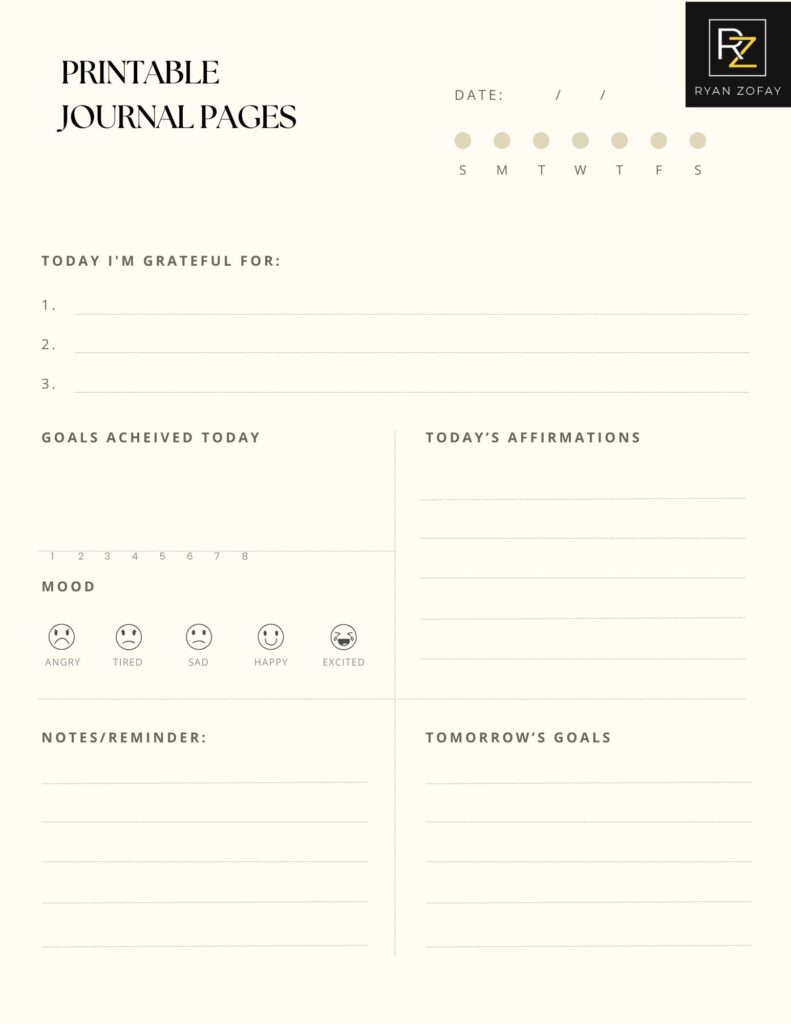
Journaling is one of the most powerful tools high achievers use to create self‑awareness and track growth over time. Instead of staying stuck in your head, you move thoughts onto paper so you can see patterns, challenge beliefs, and recommit to your priorities.
Journaling has been one of the most underrated tools in my personal development. It’s where I process my past, plan my future, and hold myself accountable.
Journaling for Clarity, Confidence, and Healing
Try this weekly reset:
- Wins: Write down five things that went right, no matter how small.
- Lessons: Capture three things that didn’t go as planned and what they taught you.
- Focus: Choose three priorities for next week that actually move your life or business forward.
If you tend to stare at a blank page not knowing what to write, start with my self‑love journal prompts for success and healing. They’ll give you a structure to follow until reflection starts feeling natural. They are designed to help you balance ambition with compassion. An essential trait for long‑term performance. To build confidence and heal parts of yourself that feel inadequate, use emotional intelligence 2.0 strategies.
Leadership, Identity, and Owning Your Role
High achievers learn that their true power comes from leadership. This includes how they influence, communicate, and manage themselves around others. You are already leading those who see how you handle stress, setbacks, and success, even without a formal title.
Seeing Yourself as a Leader (Before the World Does)
You might not have a formal title, but if other people are looking to you—even one person—you’re already leading. High performers grow faster when they stop waiting to be “anointed” and instead step into leadership where they are.
Ask yourself:
- Who is quietly watching how I handle stress, setbacks, and success?
- What would change if I decided, “Like it or not, I’m a leader to this person or group?”
If you want practical ways to lead more effectively—whether that’s a team, a family, or a community—start with my guide on leadership coaching strategies for success and winning. I break down small shifts that create big differences in how people respond to you.
To grow as a leader, start with servant leadership strategies. Break down practical ways to inspire and empower others while holding high standards. Then take the 365 leadership assessment to get a clear picture of your strengths and blind spots. Target your self improvement and development like a high achiever rather than guessing.
Getting Honest About Your Leadership Skills
You can’t improve what you refuse to look at. That’s true in the gym and it’s true in leadership. An honest assessment can feel uncomfortable, but it’s one of the fastest ways to grow.
Rate yourself from 1–10 in these areas:
- Vision: Do people around you know where you’re headed and why?
- Communication: Do you listen as much as you speak, or more?
- Emotional regulation: How do you show up when things go wrong?
- Accountability: Do you follow through on what you say, especially when it’s hard?
- Empowerment: Do people feel stronger after being around you—or smaller?
To turn this into a more structured process, you can use my 365° leadership assessment test. It’s designed to go beyond traditional 360° feedback. To help you see your leadership from multiple angles you may be missing right now.
Mindset for Entrepreneurs and Builders
Thinking like a founder means shifting your perspective. High‑achieving entrepreneurs continually refine their vision, strategy, and execution systems so their businesses grow without sacrificing their health or integrity.
Thinking Like a Founder, Not Just a Worker
When I shifted from survival mode to founder mode, everything changed. Instead of asking, “How do I get by?”, my questions became, “Whose life can I improve?” And “How can I create more value than I capture?”
Reflect on these prompts:
- Who is the human on the other side of what you do—what are they afraid of, what do they dream about?
- If money wasn’t the only measurement, how would you know your work is successful?
- What would your business look like if your main job was to serve that human better every month?
For a strategic view of building and evolving a business, read my article on business transformation strategies. It walks through the shifts required to grow from where you are to where you know you could be. For an overview of best practices for scaling operations business obstcles reinvent your processes. Check out my guides to find small business ideas to how to start a small business with no money.
Seeing the Bigger Picture: Strategy on One Page
High performers learn to zoom in and zoom out. Zoomed in, you’re handling the tasks. Zoomed out, you can see your entire business or career as a simple map.
Try this:
- Draw your main offer in the middle of a page.
- Around it, add your ideal customer, your main marketing channels, your key partnerships, and your biggest risks.
- Then ask: “Which one of these is my weakest link right now?” and dedicate 30 days to strengthening just that.
To support this, I put together insights on business level strategy drawing, which will help you sketch out your ecosystem more clearly and intentionally.ryanzofay
Self‑Love, Healing, and Inner Work for High Performers
Why Self‑Love Is a Performance Advantage (Not a Soft Extra)
A lot of driven people secretly believe they’re only valuable when they’re producing or achieving. The inner voice sounds like, “If I let up for a second, everything will fall apart.” That mindset might get you short‑term results, but it will cost you your health, relationships, and joy.
Healthy self‑love shows up as:
- Holding yourself to high standards, but not impossible ones.
- Speaking to yourself like someone you’re responsible for, not someone you’re trying to punish.
- Allowing seasons of recovery and reflection so you can come back stronger.
A simple nightly practice:
- Before bed, write one sentence starting with, “I’m proud of myself today for…” It can be as simple as “showing up even when I didn’t feel like it.” Over time, this rewires your brain toward recognition instead of constant self‑attack.
If you want a more guided process, use my self‑love journal prompts for confidence, success, and healing to walk through deeper questions about how you see yourself and what you believe you deserve.ryanzofay
Rewriting the Story You Tell About Yourself
If your internal story is still “I’m the addict,” “I always screw things up,” or “I’m the one who never finishes,” your nervous system will pull you back every time you try to break out of that box. To create a new future, you need a new story.
Here’s a two‑page exercise:
- On page one, write your story the way you normally tell it—everything that went wrong, everything you regret. Don’t hold back.
- On page two, write your story as if you’re your future self looking back from ten years ahead, after you’ve built the life you want. Highlight the same events, but this time as turning points, training, and setup for who you became.
If you want to see how this looks in real life, my zero‑to‑hero multimillionaire story shares how I reframed my past and used it as a platform instead of a prison.ryanzofay
How to Use All This Information
This guide page is designed as a central hub. Think of it as the map, with linked article and tools on specific “rooms” where you can go much deeper. Here’s how the main pieces fit together:
- Purpose and Direction: Use my real‑life success guide on what I should do with my life? when you’re questioning where to focus your energy and what kind of life you actually want to build.
- Mindset and Beliefs: Explore my article on beliefs about reading and righting your life to understand how your inner narrative shapes your reality and how to start changing that lens.
- Emotional Mastery and Decisions:
Read ways to overcome emotions and decision‑making to learn how to stay grounded and clear when the stakes are high. - Resilience and Motivation: Return to resilience quotes for strength whenever you need a quick hit of perspective and encouragement.
- Journaling and Self‑Love: Work through self‑love journal prompts for high achiever success and healing. Surface buried beliefs and start building a stronger, kinder, more powerful relationship with yourself.
- Business and Strategy: Use business transformation strategies and business level strategy drawing when you’re ready to think more strategically. Apply these high achiever strategies for scaling your business, not just surviving the day‑to‑day.
- Leadership Growth: Dive into leadership coaching strategies for success and winning. Take the 365° leadership assessment to get a clearer, more honest picture of how you’re currently leading. Discover what to adjust next.
- Brand and Visibility: When you’re ready to build a brand that matches your new identity, check out build a brand in 5 days. Then visit my VSL landing page secrets for practical, tactical support
A Simple 30‑Day Plan to Start Using This
To make this practical, here’s a simple way to use these resources over the next month:
- Week 1 – Clarity & Awareness
- Read the life‑direction guide.
- Journal daily using a few self‑love or clarity prompts.
- Week 2 – Mindset & Emotions
- Work through one mindset/belief article and the emotions and decision‑making piece.
- Practice the reframing and emotional reset tools every time you feel triggered.
- Week 3 – Habits & Leadership
- Implement one morning and one evening routine from this page.
- Take the leadership assessment and choose one behavior to improve this week.
- Week 4 – Strategy & Expansion
- Use the business transformation and strategy resources to map your next 90 days.
- Take one small, bold action each day that aligns with your future story instead of your past one.
When You’re Ready for Coaching
You can do a lot on your own with the right tools and commitment. But no high performer truly does it alone. At some point, you may want a guide. This person can help you see your blind spots. They can challenge your limits and support you as you move to the next level in your life and business.
When the time comes, you can visit my coaching center. I work with entrepreneurs, leaders, and motivated people. They are ready to turn their pain, potential, and big dreams into something real, lasting, and meaningful. So join me to be the best version of yourself. Transorm into the high achiever waiting inside you.
Wherever you’re starting from, you’re not stuck with the story you’ve lived so far. With the right mindset, tools, and support, you can build a life and impact that once felt impossible.
Resouces
High achiever resources:
- https://ryanzofay.com/what-should-i-do-with-my-life/
- https://ryanzofay.com/beliefs-about-reading-righting-life/
- https://ryanzofay.com/resilience-quotes/
- https://ryanzofay.com/best-self-love-journal-for-success/
- https://ryanzofay.com/emotions-and-decision-making/
- https://ryanzofay.com/dreaming-the-american-dream/
- https://ryanzofay.com/leadership-coach/
- https://ryanzofay.com/365-leadership-assessment/
- https://ryanzofay.com/business-transformation/
- https://ryanzofay.com/business-level-strategy-drawing/
- https://ryanzofay.com/build-a-brand-in-5-days/
- https://ryanzofay.com/best-vsl-landing-marketing/
- https://ryanzofay.com/coaching-center/