
The Ultimate List of Personal Strengths Examples & Their Power to Transform Your Life
Discover a comprehensive list of personal strengths examples. Learn how to identify your unique traits to overcome weaknesses. Leverage them for life to business success with this comprehensive success guide. Authored by Ryan Zofay, personal development coach and 9-figure entrepreneur.
Personal Strengths Examples That Transform Me from Zero to Hero of my own Success
As a teen, I relied on self-sabotage behavirors as a way to get attention. I lacked a positive growth mindset. I was full of self-doubt, consumed by self-limiting beliefs, and without confidence. I hated my life with a burning passion. At 17, after a day of abusing prescription drugs while drinking, I suffered the consequences. I was declared dead at the scene of a car accident. I dropped out of school in the seventh grade. I became dependent on drugs and alcohol to medicate the pain of childhood trauma. This led to many juvenile drug-fueled charges.
I didn’t believe in myself and could not overcome constant adversity growing up. Negative, deep-rooted beliefs stopped any ability to change the world right in front of me. Losing my sister was a painful experience. The constant tension at home made me feel abandoned. I developed a belief that I was worthless. For years, I didn’t think I had any strengths of a person worth saving. My “strengths” were how much I could numb myself and how well I could manipulate the people around me.
I woke up from a coma after that fateful accident. It took 22 years of sobriety and hard work on myself. Then I realized I had it all wrong. Today, I help lead a nine-figure organization, We Level Up detoxification centers, and mentor thousands of high-achievers. But I didn’t get here because I suddenly became a different person. I got here because I learned how to identify my personal strengths and pivot my weaknesses into superpowers.
If you are an entrepreneur, an executive, or someone seeking a breakthrough, you may wonder: What are personal strengths? And how do I use them to scale my life and business?
In this guide, I’m going to share my personal list of different personal strengths. I’ll show you examples of personal strengths that drive success. Moreover, I’ll give you the tools to leverage them. We will also dive into personality types. Like ENFP personality strengths and weaknesses. So, you can lead yourself and your team better. Let’s dive in.
Jump To
Table of Contents
What Are Personal Strengths? (More Than Just Skills)
When I coach executives, they often confuse skills with strengths. Coding is a skill. Sales is a skill. But personal strengths are innate traits of character. They are the fuel that powers the skill.
What are a person’s strengths? They are the natural patterns of thinking, feeling, and behaving that energize you. When you operate from your strengths, work feels like play, and you enter a flow state. When you ignore them, you burn out.
For me, one of my core strengths is resilience. It’s what allowed me to bounce back from addiction and lawsuits to build an empire. That resilience fuels my skill of transformative leadership.
Why Identifying Strengths Matters
- Impact: You serve others from a place of abundance.
- Efficiency: You stop wasting time trying to be someone else.
- Confidence: Knowing your strength list personal capabilities leads to success.
101 Personal Strengths Examples to Transform Your Personal to professional Life
I’ve spent most of my life doing the inner work—first to survive, then to lead, and now to help others transform their lives. One thing I know for certain is this: when you understand your personal strengths, everything changes. Your confidence sharpens, your decisions improve, and your professional life starts aligning with who you actually are.
This list of different personal strengths is designed to be both practical and personal. If you’ve ever asked yourself “what are personal strengths?” or searched for personal strengths examples you can actually relate to, this is for you.
Below is a complete, real-world personal strengths list with 101 examples. Organized into 10 core strength buckets, plus one bonus strength that ties it all together.
I’ll also touch on strengths and weaknesses of a person. Along with personality-based strengths (ENFP, INFP, INTP, ISTJ), and how to apply these personally and professionally.
The Master List of Personal Strengths Examples
To help you see your strengths, I’ve grouped these examples of personal strengths into areas that affect business and life the most. Use this as a checklist for your own self-assessment.
The Top 3 Personal Strengths Examples I Teach Clients
1. Resilience & Mindset Strengths
These are the engines of growth. In my experience, these are the most critical for entrepreneurs.
- Adaptability: The ability to pivot when the market changes.
- Courage: Overcoming fear to take calculated risks.
- Perseverance: Refusing to quit when the odds are stacked against you.
- Optimism: Seeing opportunity where others see disaster.
- Self-Discipline: Doing what is necessary, even when you don’t feel like it. (Read more on discipline vs self-discipline).
2. Interpersonal & Emotional Strengths
Business is relationships. If you can’t connect, you can’t scale.
- Empathy: Feeling what others feel to build trust.
- Communication: Articulating vision clearly.
- Kindness: Treating people with dignity regardless of status.
- Emotional Intelligence (EQ): Regulating your own emotions to lead others. (Take my emotional intelligence test free).
- Honesty/Integrity: Staying true to your word.
3. Cognitive & Strategic Strengths
These are the “architect” strengths—how you build your vision.
- Creativity: Innovation and thinking outside the box.
- Critical Thinking: Analyzing data to make hard decisions.
- Curiosity: A hunger for learning and growth.
- Focus: The ability to deep work without distraction.
- Wisdom: Using experience to guide judgment.
Strengths and Weaknesses of a Person
Here is an example of strength and weaknesses of a person in a business context. Notice how a strength overused can become a weakness.
| Personal Strength | Potential Weakness (Shadow Side) | How to Balance |
|---|---|---|
| Ambition | Burnout / Greed | Practice mindfulness & gratitude. |
| Empathy | Taking on others’ trauma | Set healthy boundaries. |
| Confidence | Arrogance | Cultivate humility and listen more. |
| Discipline | Rigidity / Perfectionism | Allow for flexibility and rest. |
| Analytical | Analysis Paralysis | Set deadlines for decision-making. |

Claim Your Call
Claim your free next level strategy call. Select your date and time. Get guidance and insights. Find answers to your questions. Gain focus, and belief in yourself with No excuses holding you back.
Join the 1%
Seize opportunity. Make the Most of Your Life! Live Without Limitations. Overpower Challenges. Grasp Opportunities to make the Most of Each Moment. Propel & Surpass Others.
101 Personal Strength Examples
I used to think personal growth was about fixing what was broken.
Now I know the truth: it’s about learning what’s strong inside you — and building from there.
If you are looking for examples of personal strengths, a list of strengths, or examples of strengths and weaknesses, this is the best list. This isn’t a fluffy personality strengths list. It’s a practical, real-life guide. Use it to level up how you show up at home, in relationships, and in your professional life. Apply it today, especially if you’re a leader or entrepreneur battling burnout behind your success.
Below is the ultimate structured personal strengths list with 101 strengths. Grouped into the top 10 strengths for a person, buckets that cover the full spectrum of what makes a person powerful.
Emotional Strengths (Self-Control + Inner Stability)
My quote: “Your emotions aren’t the enemy — they’re the dashboard.”
Tip: Track your emotional triggers for 7 days before you try to “fix” them.
Insight: Most people don’t lack strength — they lack emotional recovery skills.
More resources: Master your emotional state. Track your stats to improve performance.
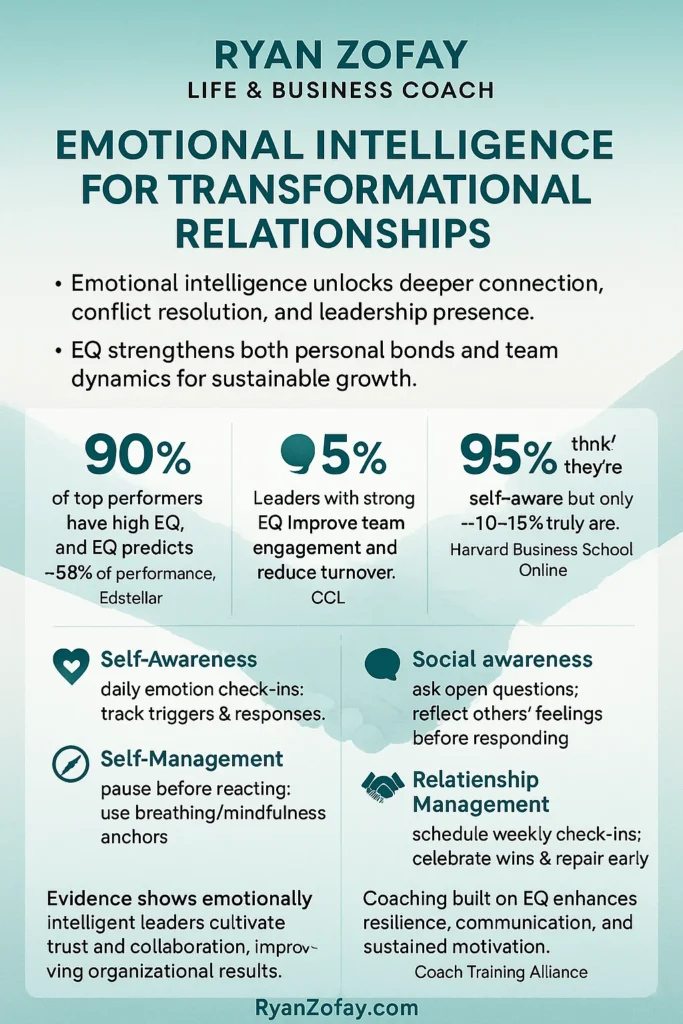
- Emotional intelligence – why it helps: helps you respond instead of react
- Self-awareness – why it helps: helps you recognize patterns before they control you
- Emotional regulation – why it helps: helps you stay stable under stress
- Empathy – why it helps: helps you connect deeply without forcing closeness
- Compassion – why it helps: helps you support others without judgment
- Vulnerability – why it helps: helps you build real trust and intimacy
- Patience – why it helps: helps you stay consistent when results are slow
- Gratitude – why it helps: helps you shift your focus away from lack
- Emotional resilience – why it helps: helps you bounce back faster after setbacks
- Self-acceptance – why it helps: helps you stop wasting energy fighting yourself

Mental & Cognitive Strengths (Thinking + Decision Power)
My quote: “Clarity isn’t luck — it’s trained.”
Tip: Before any big decision, write 3 options and 3 consequences for each.
Insight: Your mind is either a weapon or a prison, depending on your habits.
More resources: Gain clarity, adapt a morning routine for success.
- Critical thinking – why it helps: helps you avoid manipulation and bad choices
- Problem-solving – why it helps: helps you find solutions instead of excuses
- Mental flexibility – why it helps: helps you adapt without breaking down
- Strategic thinking – why it helps: helps you plan with purpose, not panic
- Focus – why it helps: helps you produce results without burnout
- Creativity – why it helps: helps you see possibilities others miss
- Curiosity – why it helps: helps you grow faster than your environment
- Analytical reasoning – why it helps: helps you make logical, accurate decisions
- Big-picture thinking – why it helps: helps you stay aligned with long-term goals
- Attention to detail – why it helps: helps you reduce errors and build trust

Character & Integrity Strengths (Who You Are When No One’s Watching)
My quote: “Your reputation is built in private.”
Tip: Do one uncomfortable, honest thing every day for 30 days.
Insight: Integrity is the foundation of confidence — not hype.
More resources: Uncover: What should I do with my life?
- Honesty – why it helps: helps you build credibility and real relationships
- Integrity – why it helps: helps you become someone you can rely on
- Accountability – why it helps: helps you grow faster than blame ever will
- Loyalty – why it helps: helps you create long-term bonds and trust
- Reliability – why it helps: helps people depend on you without hesitation
- Humility – why it helps: helps you stay teachable and grounded
- Ethical judgment – why it helps: helps you make decisions you won’t regret later
- Fair-mindedness – why it helps: helps you lead without bias or ego
- Authenticity – why it helps: helps you stop performing and start living
- Trustworthiness – why it helps: helps you earn respect in every room
Interpersonal Strengths (Connection + Communication)
My quote: “Strong relationships don’t happen — they’re built.”
Tip: Ask better questions instead of trying to sound impressive.
Insight: Most conflict is not about the issue — it’s about unmet emotional needs.
More resources: Complete your communication upgrade. Start with the Best Body Language Books Psychology. Master “Think Before You Speak” to Transform Communications.
- Communication skills – why it helps: helps you express clearly and confidently
- Active listening – why it helps: helps people feel understood, not debated
- Conflict resolution – why it helps: helps you repair instead of destroy relationships
- Teamwork – why it helps: helps you win bigger than you can alone
- Collaboration – why it helps: helps you create results faster with less friction
- Assertiveness – why it helps: helps you set boundaries without aggression
- Emotional presence – why it helps: helps you make people feel safe around you
- Networking ability – why it helps: helps you create opportunities through connection
- Approachability – why it helps: helps people trust you quickly
- Relationship-building – why it helps: helps you build loyalty, not transactions


Leadership Strengths (Influence + Responsibility)
My quote: “Leadership isn’t a title — it’s a standard.”
Tip: Lead yourself for 30 days before trying to lead anyone else.
Insight: Weak leaders demand control. Strong leaders create clarity.
More resources: Use a vision to propel yourself. Adopt self improver habits for success.
- Vision – why it helps: helps you create direction instead of confusion
- Decisiveness – why it helps: helps you move forward without hesitation
- Confidence – why it helps: helps you take action even when uncertain
- Responsibility – why it helps: helps you build trust with teams and family
- Delegation – why it helps: helps you scale results without burning out
- Mentorship – why it helps: helps you multiply impact through others
- Influence – why it helps: helps you inspire change without force
- Motivation – why it helps: helps you energize people toward goals
- Crisis leadership – why it helps: helps you stay calm when everything is chaotic
- Accountability leadership – why it helps: helps you raise standards without shaming

Work Ethic Strengths (Execution + Results)
My quote: “Talent is cute. Execution is unstoppable.”
Tip: Track your commitments — not your intentions.
Insight: Consistency is a personality trait you can train.
More resources: Get your Free tracker for journaling printables.
- Discipline – why it helps: helps you stay on track when motivation fades
- Consistency – why it helps: helps you create results that compound
- Time management – why it helps: helps you protect your priorities
- Reliability – why it helps: helps you become someone people trust
- Productivity – why it helps: helps you produce more with less stress
- Follow-through – why it helps: helps you finish what you start
- Organization – why it helps: helps you reduce overwhelm and confusion
- Goal orientation – why it helps: helps you stay focused on outcomes
- Persistence – why it helps: helps you outlast challenges and doubt
- Professionalism – why it helps: helps you build long-term credibility
Growth & Adaptability Strengths (Evolution + Reinvention)
My quote: “Your old identity will fight your next level.”
Tip: Don’t ask “how do I feel?” Ask “what do I need to learn?”
Insight: Growth isn’t comfortable — it’s a controlled burn.
More resources: Craft your personal Growth and Transformation Plan with Template.
- Adaptability – why it helps: helps you thrive through change
- Coachability – why it helps: helps you improve faster than ego-driven people
- Openness to feedback – why it helps: helps you correct course early
- Learning agility – why it helps: helps you grow in any environment
- Growth mindset – why it helps: helps you turn failures into fuel
- Self-reflection – why it helps: helps you identify patterns and improve
- Willingness to change – why it helps: helps you break cycles
- Resilience under pressure – why it helps: helps you stay functional in chaos
- Emotional recovery – why it helps: helps you rebound instead of spiral
- Personal accountability – why it helps: helps you take ownership of your future


Creative & Expressive Strengths (Originality + Personal Power)
My quote: “You weren’t born to blend in — you were built to create.”
Tip: Create before you consume every morning.
Insight: Expression is therapy for the soul and strategy for success.
More resources: We are 3 part human, spirit, body and mind. Find inspiration from the top 10 motivational speeches. Find your purpose. Learn from the best inspirational motivational speakers.
- Artistic expression – why it helps: helps you release emotion and inspire others
- Storytelling – why it helps: helps you influence and connect quickly
- Innovation – why it helps: helps you stay ahead of trends and competition
- Intuition – why it helps: helps you trust your inner compass
- Visionary thinking – why it helps: helps you build what others can’t yet see
- Emotional expression – why it helps: helps you process instead of suppress
- Imagination – why it helps: helps you generate new solutions
- Conceptual thinking – why it helps: helps you simplify complex ideas
- Aesthetic awareness – why it helps: helps you elevate branding and presentation
- Inspiration – why it helps: helps you energize people through meaning

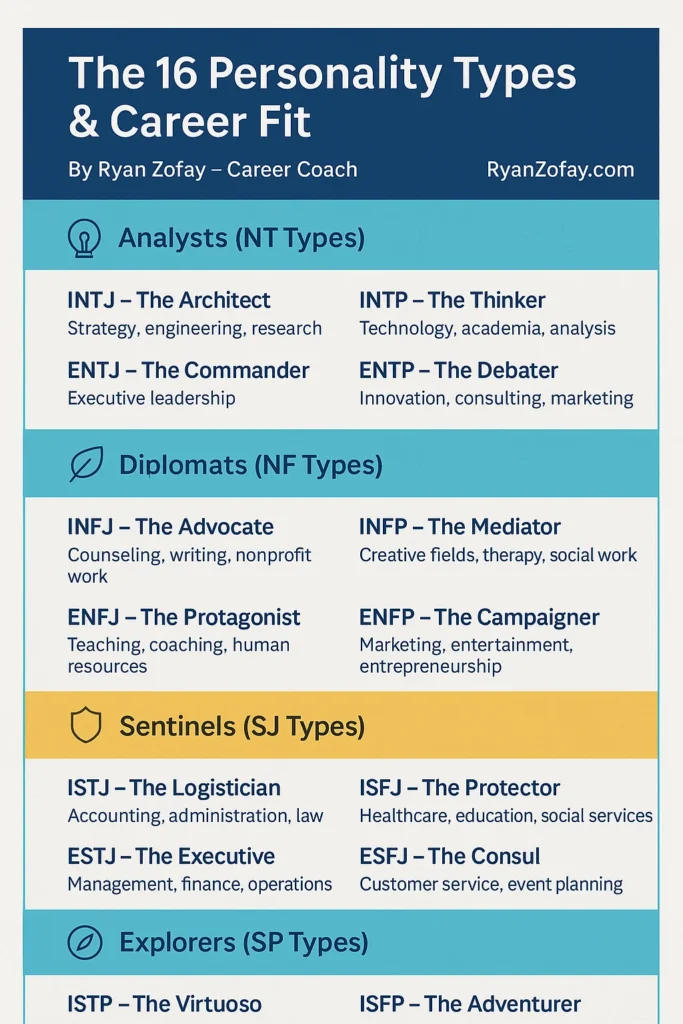
Personality Strengths (MBTI-Style Strength of Personality)
My quote: “Your personality isn’t your limit — it’s your leverage.”
Tip: Stop copying leaders who aren’t built like you.
Insight: Most people fail because they try to win with someone else’s strengths.
More resources: Taking my free 16 personalities quiz. Identify the strengths and weaknesses of a person. To illuminate opportunities for self-improvement.
- ENFP enthusiasm – why it helps: helps you motivate people naturally
- ENFP charisma – why it helps: helps you attract opportunity through energy
- ENFP optimism – why it helps: helps you keep momentum during uncertainty
- INFP idealism – why it helps: helps you stay aligned with purpose
- INFP empathy – why it helps: helps you connect deeply and intuitively
- INFP authenticity – why it helps: helps you lead without pretending
- INTP logic – why it helps: helps you make accurate, rational decisions
- INTP abstract reasoning – why it helps: helps you solve complex problems
- ISTJ structure – why it helps: helps you build stability and systems
- ISTJ dependability – why it helps: helps you become a trusted pillar

Self-Mastery & Purpose Strengths (The Real Transformation Zone)
My quote: “Self-mastery is the highest form of freedom.”
Tip: Don’t aim for balance — aim for alignment.
Insight: Your personal strengths become professional power when they’re disciplined.
More resources: How to Change Your Life: Top 10 Steps and How to be Successful in Life & Business: My 9-Figure Blueprint.
- Self-discipline – why it helps: helps you build long-term success
- Personal responsibility – why it helps: helps you stop waiting to be saved
- Purpose alignment – why it helps: helps you stay motivated without forcing it
- Values clarity – why it helps: helps you make decisions with confidence
- Boundaries – why it helps: helps you protect your peace and energy
- Emotional sobriety – why it helps: helps you stop living from triggers
- Inner strength – why it helps: helps you endure without collapsing
- Stress tolerance – why it helps: helps you stay effective under pressure
- Courage – why it helps: helps you take action even when afraid
- Commitment to growth – why it helps: helps you keep evolving for life
- Self-honesty – why it helps: helps you stop lying to yourself and start transforming
If you want to find a list of personal strengths or understand someone’s strengths and weaknesses, here’s what I’ve learned. Your strengths are not only what you are good at. They are what you can count on when life gets tough. When you focus on your strengths and accept your weaknesses, you stop just surviving. You start leading. This change helps you grow in your business, leadership, and relationships. You can thrive instead of burning out.
Personality Types: Strengths by Design
In my coaching practice, I often use frameworks to help people understand their wiring. Whether you use Myers-Briggs (MBTI), the Enneagram, or others, understanding your type is crucial for personal strengths and weaknesses awareness.
Here is a breakdown of how specific personality types show up in leadership.
ENFP Personality Strengths and Weaknesses
The “Campaigner.” These are often visionary entrepreneurs.
- Strengths: Enthusiastic, creative, excellent communicators, people-oriented. They bring energy to business networking events.
- Weaknesses: Can struggle with focus, may get stressed easily, might overthink.
- Advice: If this is you, hire a strong operations manager (perhaps an ISTJ) to handle the details while you lead the vision.
INFP Personality Strengths and Weaknesses
The “Mediator.” Deeply value-driven.
- Strengths: Empathetic, generous, open-minded, passionate about causes. Great at defining what are values for a company culture.
- Weaknesses: Can be too idealistic, difficult to get to know, may struggle with hard data.
- Advice: Lean into your purpose. Your “why” is your superpower.
INTP Personality Strengths and Weaknesses
The “Logician.” The innovators and systems thinkers.
- Strengths: Analytical, original, open-minded, objective.
- Weaknesses: Can be insensitive, prone to self-doubt, may struggle with rules.
- Advice: Use your analytical mind to solve complex problems, but work on your emotional intelligence to connect with your team.
ISTJ Personality Strengths and Weaknesses
The “Logistician.” The backbone of operations.
- Strengths: Honest, direct, strong-willed, dutiful, responsible.
- Weaknesses: Stubborn, insensitive, always by the book, resistant to change.
- Advice: Your discipline is unmatched. Ensure you don’t stifle innovation by holding too tight to tradition.
(For a deeper dive into personality frameworks, explore my resources on 16 personalities).
My Story: Turning Weaknesses into Strengths
People often ask me what are some personal strengths that helped me succeed. They expect me to say “sales” or “strategy.” But my biggest strength was born from my biggest weakness.
I have an obsessive personality. In my youth, that obsession was directed at drugs and chaos. It nearly killed me. It destroyed my relationships and left me spiritually bankrupt.
When I got sober, I didn’t lose the obsessive trait. I just redirected it. I became obsessed with personal growth. I became obsessed with serving others. I became obsessed with my morning routine for success.
This is the secret: Your greatest strength is often the flip side of your greatest struggle.
If you are stubborn, you are also persistent.
If you are sensitive, you are also intuitive.
If you are fearful, you have the capacity for immense courage.
Don’t shame your weaknesses. Audit them. Ask yourself: How can I use this energy for good?
Below is a comprehensive, structured table summarizing the science behind the Strengths-Based Success and Strengths That Transform topics alongside practical insights, exercises, and relevant Ryan Zofay guidance. Each study entry includes study name, key findings, stats (where available), and a URL (without UTM tags, opens in a new window), paired with Ryan Zofay’s insights and DIY activities.
📌 Strengths-Based Success & Transform Science + Practical Insights
Core Message: Your strengths aren’t fixed traits. They are actionable capacities you can name, use on purpose, and practice. This can improve well-being, performance, and leadership outcomes. Scientific research across positive psychology, leadership studies, and coaching frameworks supports the idea that strengths use predicts higher engagement, satisfaction, and resilience. (Frontiers)
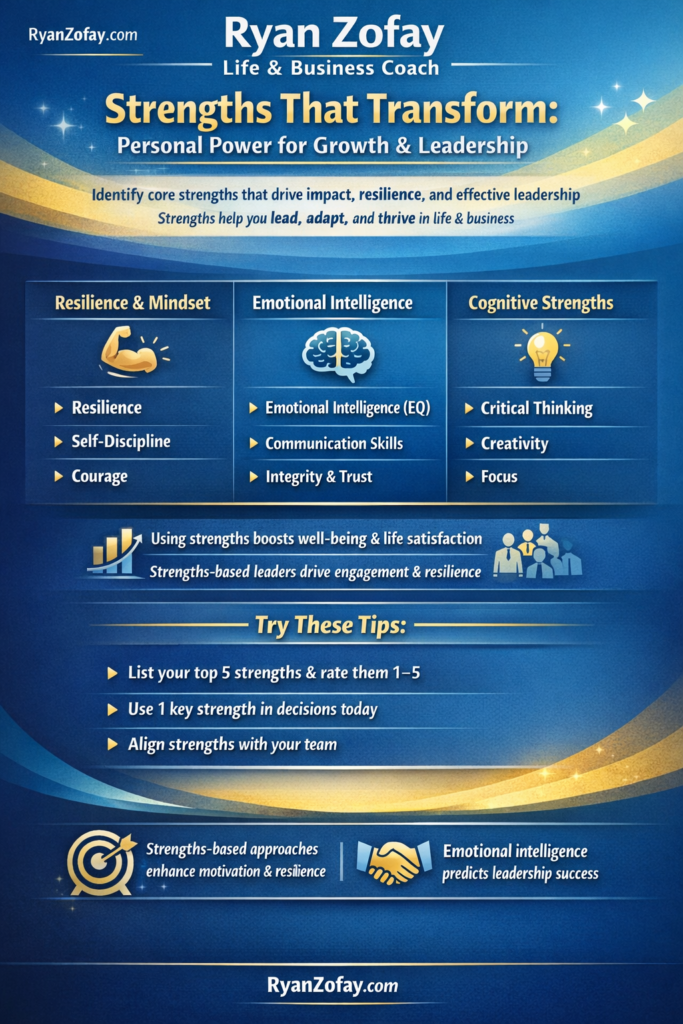
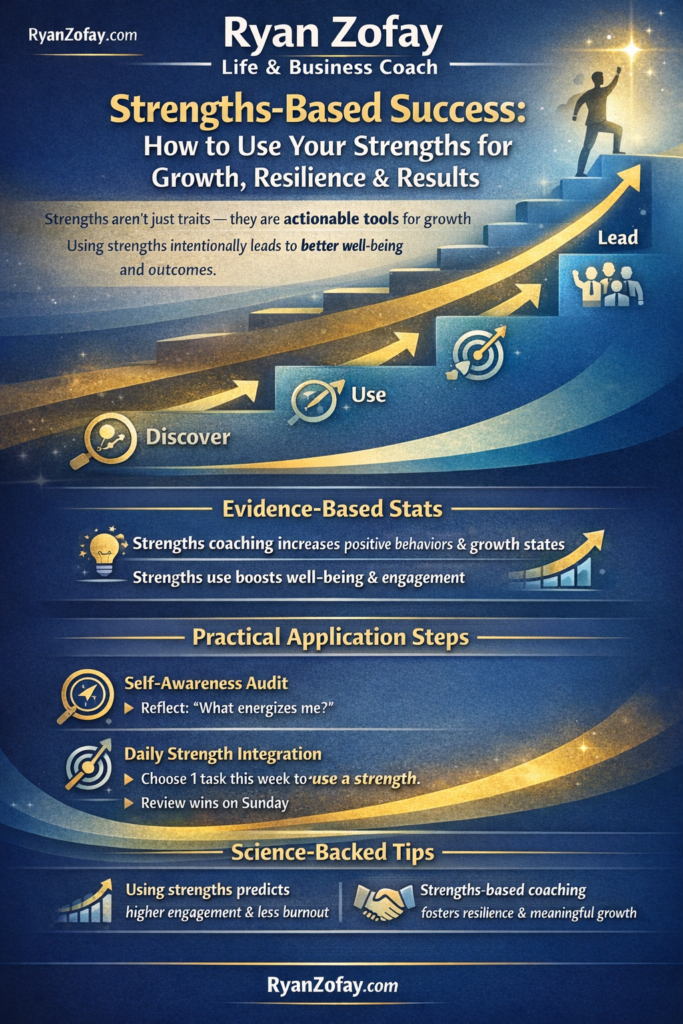
Strengths-Based Success Science
How to Use Your Strengths for Growth, Resilience & Results
| Science / Study | Insights, Tips & Activities |
|---|---|
| Positive Psychological Coaching (Frontiers in Psychology) Positive psychological coaching enhances identification, utilization, and optimization of strengths to improve well-being, functioning, and personal growth. Findings: Strengths development supports thriving and optimal functioning. Study: https://www.frontiersin.org/journals/psychology/articles/10.3389/fpsyg.2020.00793/full (Frontiers) | Insight: Strengths are practice-based tools that grow with intention. Tip: Use a coaching log to track one strength applied each week and reflect on impact. DIY Activity: Complete a strengths journaling exercise at week’s end: What did I do? What changed? |
| Strengths & Well-Being Research (VIA Institute) Research shows positive correlations between character strengths and well-being/happiness. Findings: Strengths use correlates with increased life satisfaction and happiness. Study: https://www.viacharacter.org/research/findings/character-strengths-and–well-being-happiness (VIA Institute) | Insight: Aligning actions with strengths increases daily satisfaction. Tip: Choose a top VIA strength and integrate it into your morning routine. DIY Activity: Two-minute “strength snapshot”: list when you recently used a key strength and how you felt. |
| Strengths-Based Leadership & Engagement (Sciencedirect) Strengths-based leadership correlates with increased employee engagement and task performance via strength use. Findings: Engagement improves when strengths are emphasized by leaders. Study: https://www.sciencedirect.com/science/article/pii/S0001879123000192 (ScienceDirect) | Insight: Leadership isn’t about fixing weaknesses — it’s about leveraging strengths for team performance. Tip: In team meetings, ask: “Which strength did you use this week?” DIY Activity: Strength-aligned delegation game: assign tasks based on team member strengths. |
| Strengths & Career Satisfaction (Emerald research). Strengths use mediates the relationship between strengths-based leadership and career satisfaction; emotional exhaustion interacts with this dynamic. Findings: Use of strengths linked to greater career satisfaction, even under strain. Study: https://www.emerald.com/insight/0048-3486.htm (ResearchGate) | Insight: Regularly using strengths builds resilience especially during high stress. Tip: During tough weeks, pick one strength to lean on (e.g., perseverance). DIY Activity: Reflect: “When stressed, which strength helps most and why?” |
| CliftonStrengths Assessment Overview (Wikipedia). Describes the Clifton Strengths model, identifying 34 strength themes across four domains (Executing, Influencing, Relationship, Strategic Thinking). Study: https://en.wikipedia.org/wiki/CliftonStrengths | Insight: Knowing your strength domain helps you choose roles/tasks that fit you. Tip: Map your top strengths to weekly goals (e.g., Focus → quarterly priority). DIY Activity: Create a 3-step strength alignment grid — Strength |
| Values in Action Inventory of Strengths (VIA-IS) (Wikipedia). The VIA-IS identifies 24 character strengths and helps build fulfilling lives by recognizing and applying them. Study: https://en.wikipedia.org/wiki/Values_in_Action_Inventory_of_Strengths (Wikipedia) | Insight: Character strengths are both who you are and how you act. Tip: Take a character strengths self-assessment and place your top 5 where they matter most this month. DIY Activity: Weekly evaluation: “How often did I use Strength X?” score 1-10. |
| Emotional Intelligence & Leadership (CCL). Emotional intelligence components (self-awareness, self-management, empathy) boost leadership effectiveness and relationships. Study: https://ccl.org/articles/leading-effectively-articles/emotional-intelligence-and-leadership-effectiveness/ | Insight: Emotional intelligence supports strength application under pressure. Tip: Practice a daily emotional regulation check-in: What did I feel? What strength did I deploy? DIY Activity: Create an Emotional Intelligence Strengths chart (e.g., Self-Awareness x Empathy). |
| Broaden-and-Build Theory (Wikipedia). Positive emotions broaden thinking and build enduring resources like resilience and creativity. URL: https://en.wikipedia.org/wiki/Broaden-and-build (Wikipedia) | Insight: Positive emotions from strength use create upward cycles of growth. Tip: Notice one small win daily and connect it to your strength use. DIY Activity: Gratitude-plus exercise: list 3 wins + the strengths behind them. |
Ryan Zofay Practical Application:
- Assess your unique strengths (e.g., VIA-IS or CliftonStrengths).
- Apply a strength intentionally each day and reflect on impact.
- Align strengths with goals and leadership tasks.
- Track & Adapt with weekly journals or metrics.
These processes build psychological resources, enhance performance, and reinforce positive momentum in life and business.
Activity: How to Identify Your Personal Strengths List
You can’t use what you don’t know you have. Here are three activities I use with my online life coach clients to uncover their strength of personality.
1. The Mirror Work (Reflection)
Take 10 minutes. Sit in silence. Ask yourself:
- What do people constantly compliment me on?
- What tasks make me lose track of time?
- When have I felt the most “me”?
Write down your list of personal strengths that come up.
2. The Feedback Circle
We often have blind spots. Ask 3 people you trust (a colleague, a friend, a partner):
“What are the strengths a person can have that you see in me specifically?”
Their answers might surprise you. They might see examples of strengths in a person—like patience or strategic vision—that you take for granted.
3. Values Alignment Audit
Your strengths usually align with your values. If you value “Freedom,” your strength might be “Independence” or “Entrepreneurship.”
- Review this guide on what are values.
- Map your top 5 values to the skills you use to honor them.
Video: Improving Emotional Fitness
Just like you go to the gym for your body, you must train your emotions to access your strengths. Watch my breakdown here:
Applying Your Strengths in Business & Leadership
If you are a leader, your job isn’t to be good at everything. Your job is to be elite at your strengths and hire for your weaknesses.
1. Hiring for Complementary Strengths
If you are a visionary (high creativity), don’t hire another visionary to run your operations. Hire someone with examples personal strengths like organization, detail-orientation, and prudence.
(Learn more about this in my business coach programs).
2. Setting SMART Goals Based on Strengths
When you set goals, ensure they leverage what you are naturally good at. If you are a great speaker, don’t set a goal to grow your business solely through SEO writing. Set a goal to do 50 speaking gigs. (Use my guide on making SMART goals to structure this).
3. Building a Culture of Strengths
Encourage your team to take assessments. Celebrate their specific list personal strengths. When a team member feels seen for their unique strength list personal, their engagement skyrockets. This is the heart of transformative leadership.
The “Inner Strength” Factor
Beyond the list of different personal strengths like “organization” or “coding,” there is a deeper reservoir. You must tap into your Inner Strength. Because you are stronger than you think.
This is the quiet voice that tells you to keep going when the bank account is low, when the deal falls through, or when life hits you hard. It is built through:
- Purpose: Knowing what is my purpose.
- Connection: Surrounding yourself with people who lift you higher. (See building rapport).
- Journaling: Processing your thoughts. (See benefits of journaling for self growth).
Inner strength is not about being tough. It’s about being pliable—able to bend without breaking. And it’s about becoming intentive and highly focused through emotional intelligence.
FAQs
What are some personal strengths that employers look for?
Employers typically look for a mix of soft skills (character) and hard skills. Top examples of a person’s strengths in the workplace include adaptability, communication, problem-solving, and emotional intelligence.
Can a weakness become a strength?
Absolutely. As I shared in my story, an “addictive personality” can be transformed into “relentless dedication” when directed toward healthy goals. It requires self-awareness and discipline.
How do I find my strengths?
Start with self-reflection and feedback. Use the activities listed above, or work with an online life coach to get an objective view of your personal strengths list.
What are 5 personal strengths?
Five common and powerful strengths are:
– Resilience.
– Empathy.
– Integrity.
– Creativity.
– Discipline.
Conclusion: You Are Stronger Than You Believe
I want you to look at the sample personal strengths weaknesses we discussed today not just as words on a screen, but as a mirror.
You have greatness inside you. Maybe it’s buried under trauma. Maybe it’s hidden behind fear. Maybe you’ve just never been taught what personal strengths look like.
But they are there.
My journey from a 17-year-old addict to a CEO was paved by recognizing that my story didn’t disqualify me—it prepared me. My pain gave me empathy. My chaos gave me resilience. My failures gave me wisdom.
What are your strengths? Identify them. Cultivate them. And then, use them to serve the world.
If you are ready to take this work deeper, to stop playing small and start living in your full power, I invite you to join me.

Resources to Deepen Your Growth
- Mindset: How to Change Your Life
- Emotion: How to Master Your Emotions
- Identity: About Ryan Zofay
- Passion: How to Find Your Passion
- Discipline: Discipline vs Self-Discipline
- Goal Setting: Personal Development Goals for Work Examples
- Resilience: Inner Strength Guide & Resilience Quotes
