How to Change Your Life Radically
If you’re reading this, you’re probably searching for answers on how to change your life for good. Maybe you feel stuck, uninspired, or like you’re living a life that isn’t truly yours. I know that feeling because I’ve lived it. There was a time in my life when I felt lost. I thought the world owed me something. I felt like a victim of my circumstances.
If you are feeling like I don’t know what to do with my life? Know that my journey from addiction and homelessness to becoming a sober entrepreneur took time. Founding We Level Up rehab centers and helping lead a 9-figure business wasn’t an overnight miracle. It was the result of a conscious decision to change, followed by deliberate, daily actions. It was part of my answer to how to change your life in the most powerful next-level performance results I could muster.
You might be asking, “how to change your life completely?” or “how to make positive changes in your life that actually last?” Many people want to know how to change your life in 30 days, 6 months, or even a year. The truth is, the most profound transformations begin the moment you decide they will. It’s not about a magic timeline; it’s about a shift in your internal world. This guide is based on the same principles I used to change my life. It also includes the methods I use to help thousands of others reach their own breakthroughs.
Jump To
Table of Contents
How to Change Your Life for the Better
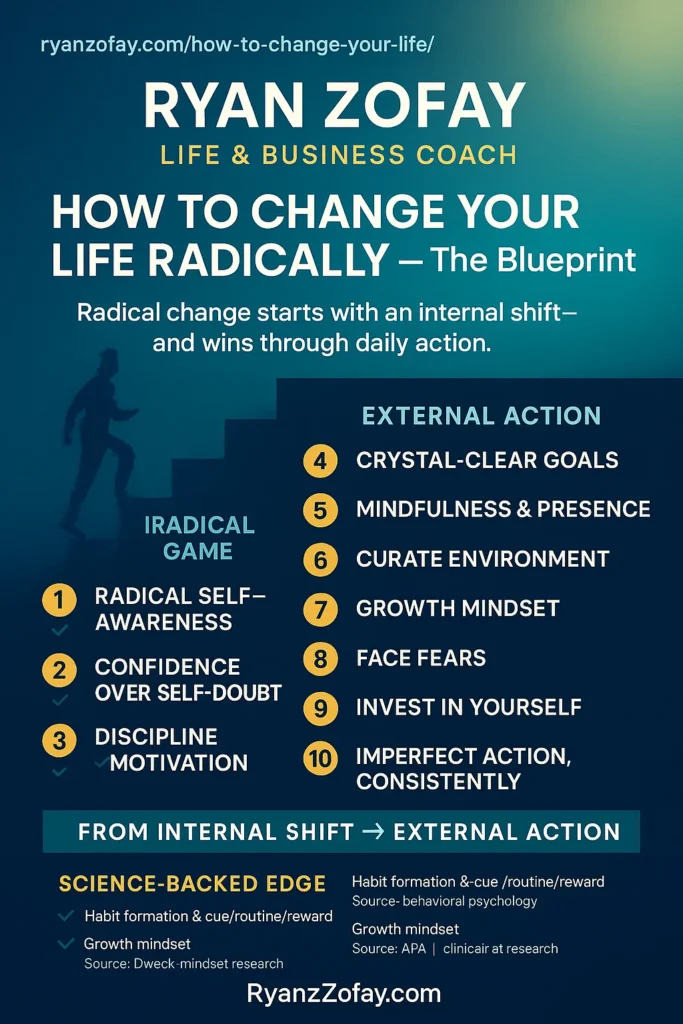
This isn’t just another list of self-help tips. This is a blueprint for action for how to change your life for good. I’m going to share 10 powerful, tangible ways you can start to create change in your life right now. We will look at the internal game. This includes your mindset, self-talk, and discipline. We will also discuss the actions that turn this inner work into real results. If you’re ready to stop asking how and start doing, you’ve come to the right place. Let’s get to how to change your life completely.
Master Your Mindset, Master Your Life
Before we get into specific actions, we have to start with the foundation: your mind. You can change your job, city, or relationships. But if you don’t change your mindset, you’ll face the same problems again. True, lasting change begins internally. This is the essence of personal mastery.
Top 10 Ways How to Change Your Life Completely
1. Embrace Radical Self-Awareness
You can’t change what you don’t acknowledge. The first, most crucial step is to get brutally honest with yourself about where you are, who you are, and what you truly want. This means looking at your strengths, weaknesses, habits, and fears without judgment.
- Take a Personal Inventory: What are your core values? What are your non-negotiables? What habits are holding you back? Self-assessment tools can be incredibly powerful for this. For example, understanding your personality type can illuminate why you react to situations in certain ways. I encourage my clients to take assessments like the Best Free Enneagram Test. Or to explore the 16 Personalities Test Types to gain deeper insights.
- Practice Emotional Intelligence: Self-awareness is a key component of emotional intelligence. How do you handle stress? How do you react to disappointment? Recognizing your emotional triggers is the first step toward managing them. An Emotional Intelligence Test can provide a baseline for where you stand.
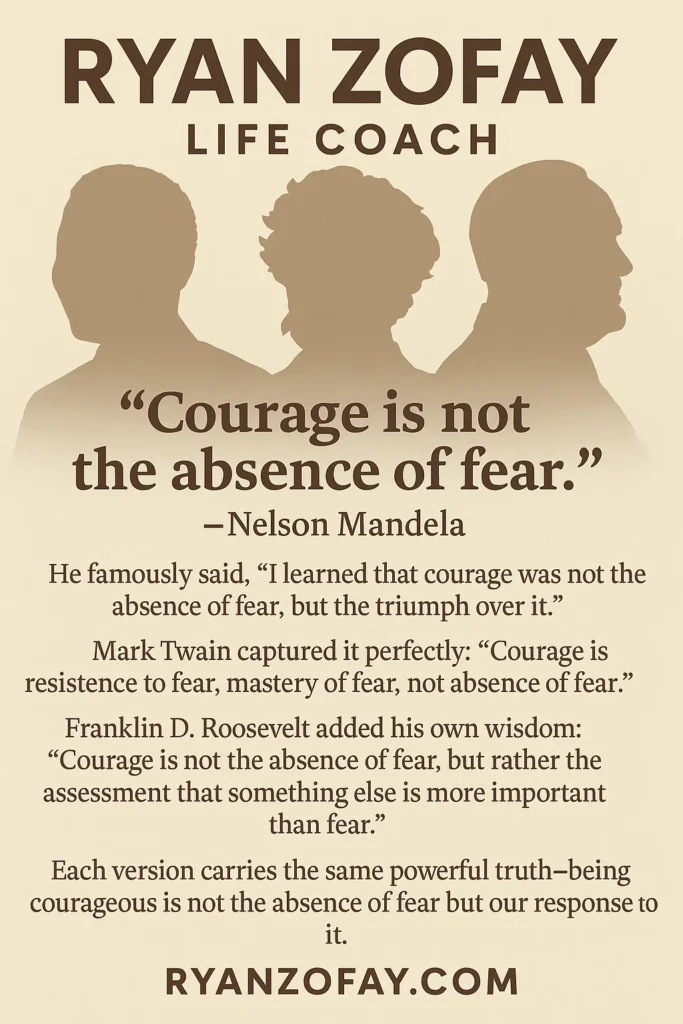

Getting honest with yourself can be uncomfortable. It requires you to stop blaming others and take ownership of your life. But it’s also the most empowering thing you can do.
2. Conquer Self-Doubt and Build Unshakeable Confidence
Self-doubt is the silent killer of dreams. It’s that voice in your head that says, “You’re not good enough,” “You’ll never succeed,” or “Who are you to do this?” I battled that voice for years. Overcoming it was fundamental to my transformation.
Building self-confidence isn’t about being arrogant; it’s about trusting in your ability to figure things out. It’s a skill, and like any skill, it can be developed.
| Action Step | Description |
|---|---|
| Celebrate Small Wins | Acknowledge and celebrate every step forward, no matter how small. This rewires your brain to focus on progress, not perfection. |
| Use Positive Affirmations | Replace negative self-talk with empowering statements. It may feel strange at first, but repetition builds belief. |
| Step Outside Your Comfort Zone | Confidence is built through evidence. Take small, manageable risks to prove to yourself that you are capable. |
If you feel trapped by self-doubt, know that you are not alone. I’ve put together a guide with my Top 10 Ways to Overcome Self-Doubt to provide you with actionable strategies. Working with a Self Confidence Coach can also provide the targeted support you need to break through these barriers.
3. Develop Unbreakable Discipline
Motivation is fleeting, but discipline is what carries you through when motivation fades. So many people ask me how to get motivated to change your life. But the real question is how to build the discipline to keep going. Discipline is the bridge between your goals and your accomplishment.
- Start Small: Don’t try to change everything at once. Pick one habit and stick to it for 30 days. This could be waking up 15 minutes earlier, reading 10 pages of a book, or a short daily workout. The goal is to prove to yourself that you can follow through.
- Create Routines: Success is built on routines. Structure your day to support your goals. A morning routine can set a positive tone for the entire day.
- Remove Friction: Make it as easy as possible to do the right thing and as difficult as possible to do the wrong thing. If you want to eat healthier, don’t keep junk food in the house.
Discipline isn’t about punishment; it’s about self-love. It’s about choosing what you want most over what you want now. For a deep dive into this topic, explore my guide on How to Build Self-Discipline.
From Internal Shift to External Action
Once you begin working on your inner world, you must translate that into external action. This is where you physically start to make changes in your life and build momentum.

4. Set Crystal-Clear Goals
You wouldn’t get in a car without a destination. The same goes for your life. Vague desires like “I want to be successful” are useless. You need specific, measurable, and inspiring goals.
- Use the SMART Framework: Make your goals Specific, Measurable, Achievable, Relevant, and Time-bound. Instead of “I want to get in shape,” a SMART goal would be “I will lose 10 pounds in the next 3 months by working out 3 times a week and tracking my calories.”
- Write Them Down: The act of writing down your goals makes them real and increases the likelihood you’ll achieve them. Use a Free Printable Goal Setting Worksheet to bring clarity to what you want to achieve.
- Focus on the “Why”: Your “why” is your emotional fuel. Why do you want to achieve this goal? What will it bring to your life? A powerful why will help you persevere when you face obstacles. My guide on Making SMART Goals can help you craft goals that truly inspire you.


5. Cultivate Mindfulness and Presence
In a world of constant distraction, the ability to be present is a superpower. My own journey taught me the profound impact of mindfulness. It helps you detach from the chaos of your thoughts and connect with the present moment. This is crucial for managing stress, making clear decisions, and recovering from burnout.
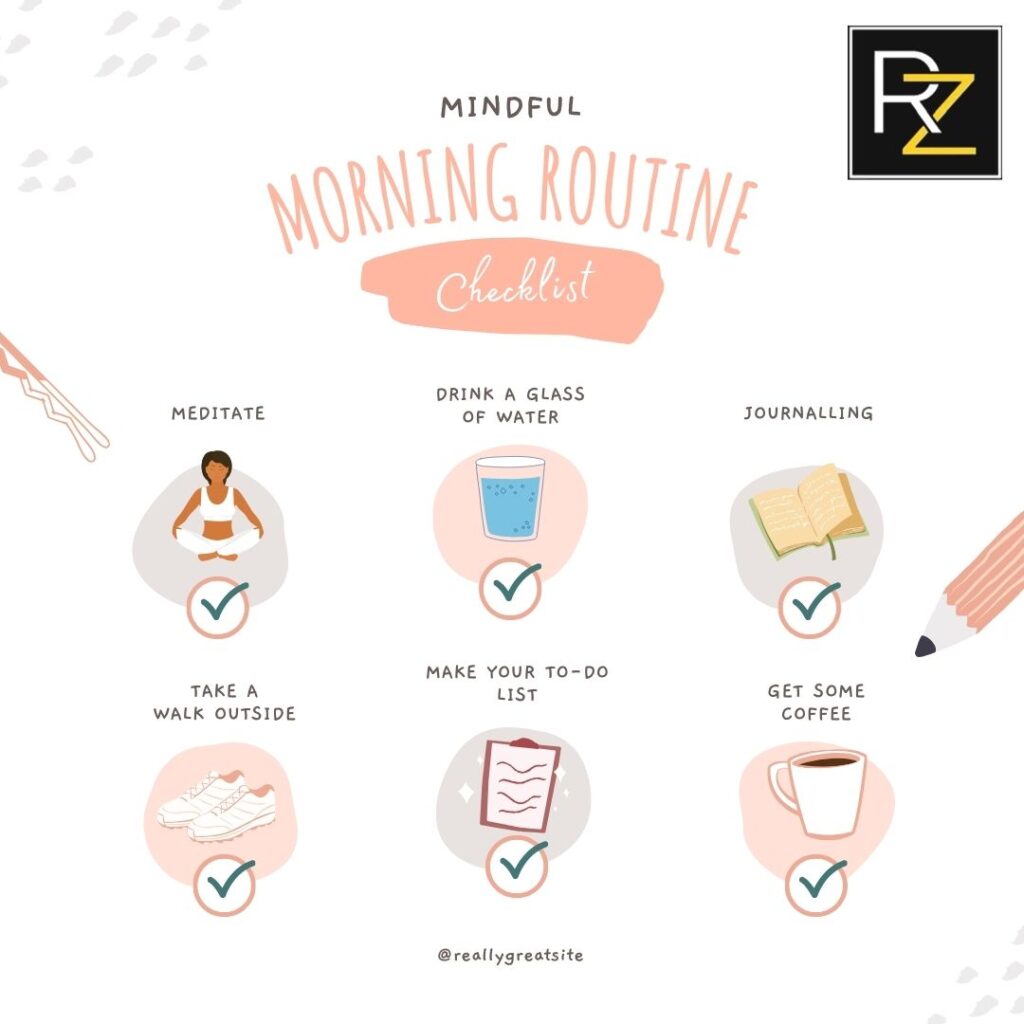
- Start a Meditation Practice: Even 5 minutes a day can make a difference. It’s not about stopping your thoughts, but observing them without judgment. You can use an Instant Online Meditation Timer to get started easily.
- Practice Mindful Breathing: When you feel overwhelmed, take a few deep breaths. Focus on the sensation of the air entering and leaving your body. This simple act can instantly calm your nervous system.
- Engage Your Senses: Throughout the day, take moments to fully engage with your senses. What do you see, hear, smell, taste, and feel? This anchors you in the present.
I personally use Mindfulness Exercises to Transform My Life. I’ve seen it work wonders for my clients, especially when they learn How to Recover from Burnout.

6. Curate Your Environment
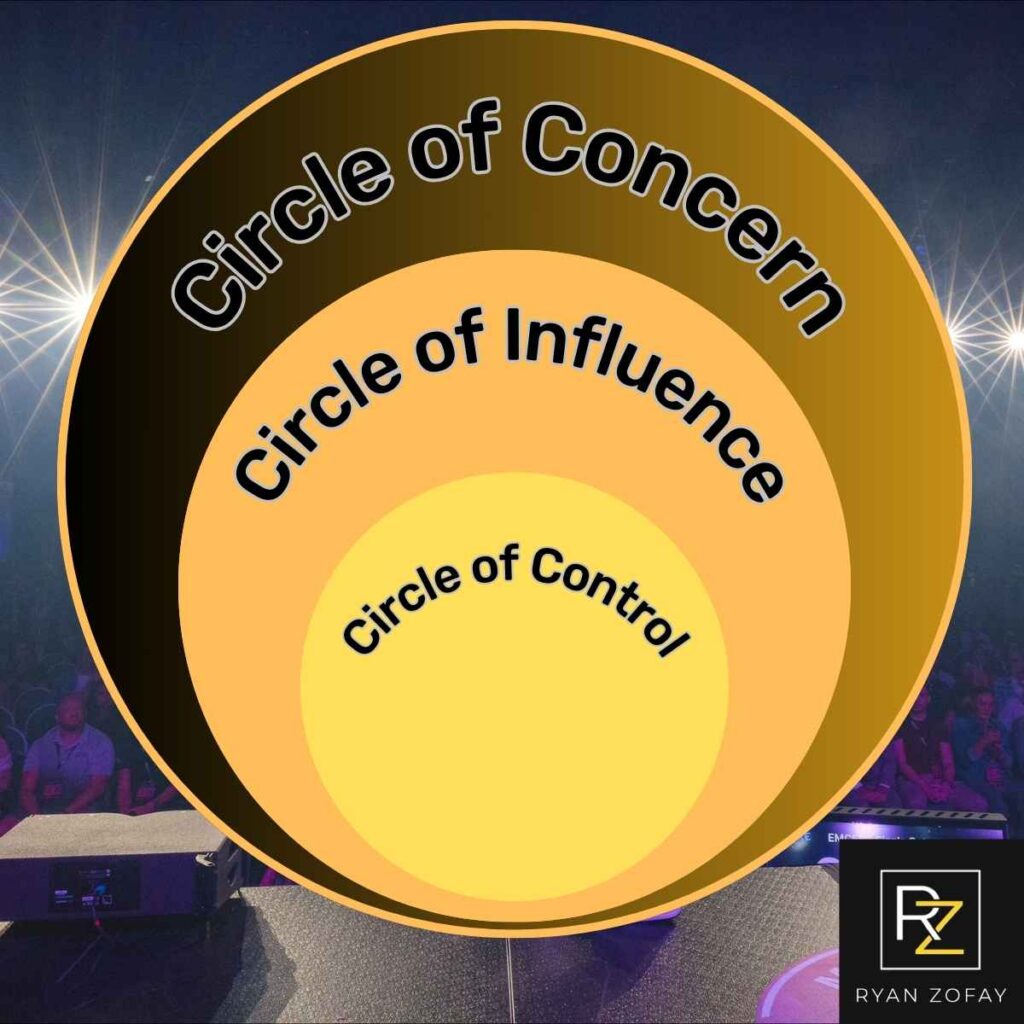
The people around you, the content you watch, and your living space all greatly affect your mindset and behavior. To change your life, you must intentionally design an environment that supports your growth.
- Audit Your Circle: Are the people around you lifting you up or dragging you down? Spend more time with those who inspire you and less with those who drain your energy.
- Unfollow and Unsubscribe: Be ruthless about the content you consume. Unfollow social media accounts that make you feel inadequate. Unsubscribe from emails that clutter your inbox. Fill your feed with positivity and knowledge.
- Optimize Your Physical Space: A clean, organized space can lead to a clearer mind. Your environment should reflect the person you want to become.

7. Embrace a Growth Mindset
Dr. Carol Dweck’s research on mindsets is groundbreaking. A “fixed mindset” believes our abilities do not change. In contrast, a “growth mindset” thinks we can improve our talents with effort and persistence. Adopting a growth mindset is fundamental to creating change.
- See Challenges as Opportunities: Instead of avoiding challenges, view them as chances to learn and grow stronger.
- Focus on Process, Not Just Outcome: Celebrate the effort, the strategies you try, and the lessons you learn. Regardless of the final result, lift yourself up.
- Embrace “Yet”: When you struggle with something, add the word “yet” to the end of the sentence. “I can’t do this” becomes “I can’t do this yet.” It’s a simple but powerful shift.


8. Face Your Fears Head-On
Fear is the biggest barrier to change. We fear failure, judgment, and the unknown. But growth and comfort cannot coexist. To radically change your life, you have to be willing to do things that scare you.
My personal story is filled with moments where I had to face immense fear. The fear of sobriety, the fear of starting a business, the fear of public speaking. Each time I acted despite my fear, I grew. My guide, 4 Ways to Overcome Fear offers practical steps to confront what’s holding you back.


9. Invest in Yourself
Your greatest asset is you. Investing in your own growth—your skills, your knowledge, your health, your mindset—will always provide the highest return.
- Never Stop Learning: Read books, listen to podcasts, take courses. I highly recommend Dr. Joe Dispenza’s work. My review of his book Breaking the Habit of Being Yourself explores how you can use neuroscience to change your life.
- Find a Mentor or Coach: You don’t have to figure everything out on your own. A coach can provide guidance, accountability, and a perspective you can’t see for yourself. An Online Life Coach can significantly accelerate your journey.
- Prioritize Your Health: Your physical health is the foundation for everything else. Eat well, move your body, and get enough sleep. You can’t build your dream life on an empty tank.
10. Take Imperfect Action, Consistently
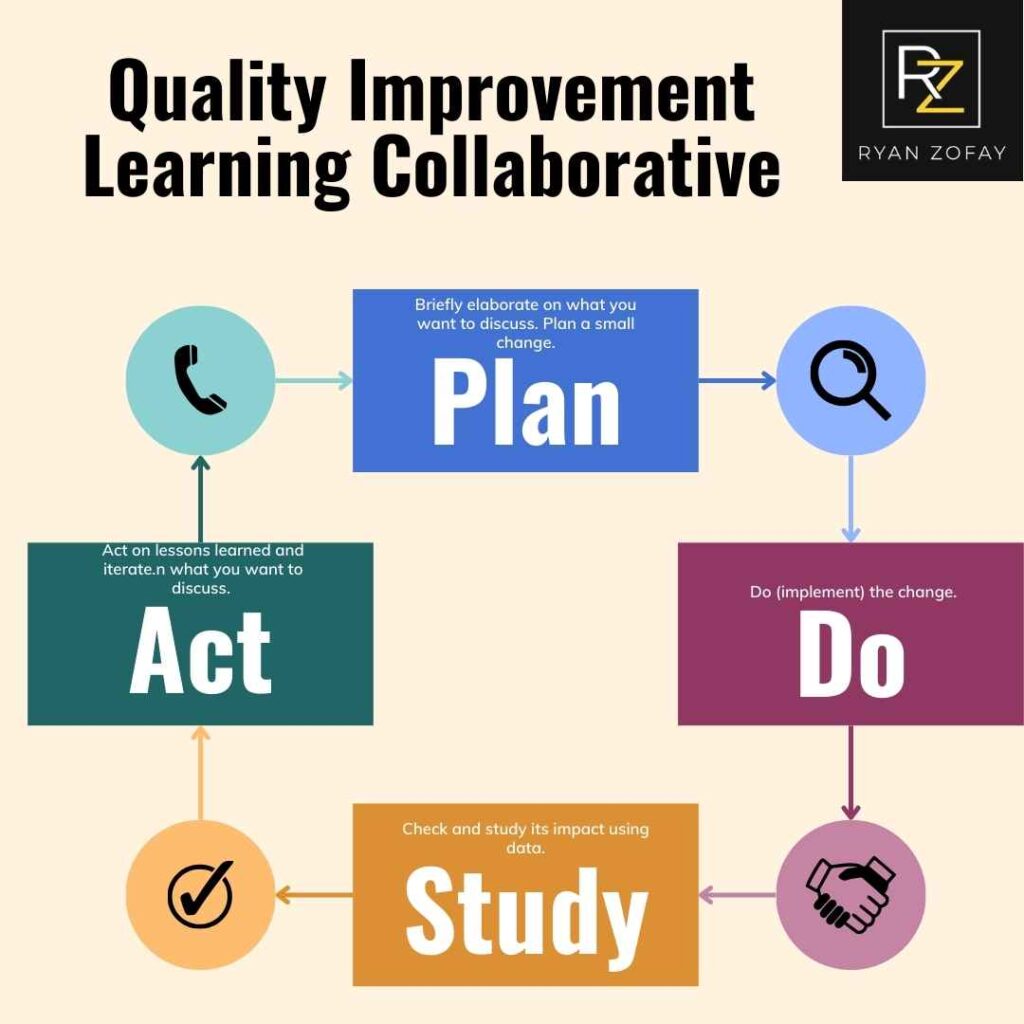
This is where it all comes together. Analysis paralysis is real. You can read all the books and make all the plans, but nothing changes until you take action. And it doesn’t have to be a perfect action.
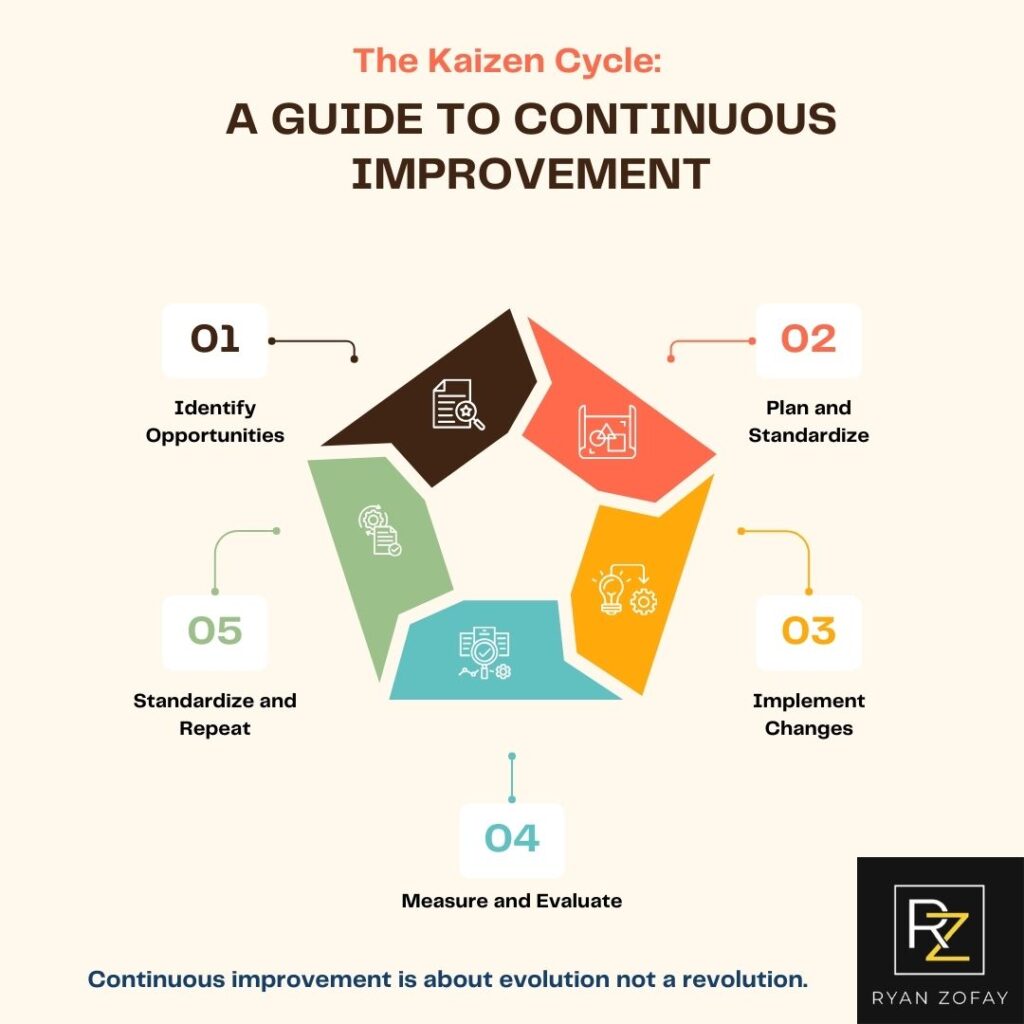
The key is consistency. Small, consistent actions compound over time into massive results. One of the most important things I’ve learned is to Follow Through with Your Goals, even when you don’t feel like it. It’s the daily grind, the unsexy repetition, that builds empires and transforms lives.
How to Change Your Life in 0 to 360 Days
If you want a real life upgrade, stop hunting for the perfect plan and start living a repeatable one. Choose your timeframe, lock in your non-negotiables, and track your progress as it matters—because it does. The fastest way to change your life is to change what you do daily… and keep doing it until your identity catches up.

| How to change your life tips | My deep coaching insights + guides |
|---|---|
| How to change your life immediately (0 days) — Do one “identity action” now: clean your space, make the call, cancel the distraction, schedule the appointment. | Immediate change is decision + environment. Remove friction, create a win, and your brain starts to believe you again. Links: Change Your Life Immediately · Discipline Over Motivation · Raise Your Standards |
| How to change your life (no set duration) — Pick 3 daily non-negotiables: sleep window, movement, and one power hour. | Most people don’t need a new personality—they need a new baseline. Protect the few habits that stabilize everything else. Links: How to change your life · Habits That Change Your Life · Morning Routine That Works |
| How to make a change in your life (no set duration) — Choose one area and set a minimum standard you won’t fall below. | Change fails when it’s vague. Make it measurable and enforceable (a standard, not a wish). Links: Make a Change in Your Life · Keystone Habits · Stop Self-Sabotage |
| How to improve your life with one change (no set duration) — Lock in a consistent wake-up time (even on weekends). | “One change” should be a multiplier. Sleep timing improves mood, discipline, appetite control, and focus—quietly. Links: Improve Your Life With One Change · Sleep Optimization · Energy Management |
| How to change your life in 7 days (7 days) — Run a 7-day reset: no junk, no doom-scroll, move daily, plan tomorrow tonight. | A week is about pattern interruption. You’re not fixing your whole life—you’re proving you can lead yourself again. Links: Change Your Life in 7 Days · Dopamine Reset · Time Blocking |
| How to change your life in 30 days (30 days) — Create a 30-day challenge with tracking: movement, clean nutrition, and one uncomfortable action/day. | 30 days builds evidence. Tracking stops negotiation and turns effort into confidence. Links: Change Your Life in 30 Days · Accountability That Works · Goal Setting Framework |
| How to change your life in 6 months (~180 days) — Build a 6-month plan: 1 skill, 1 body goal, 1 income move, 1 relationship repair. | Six months is long enough for reinvention—if you go deep, not wide. Weekly execution beats occasional inspiration. Links: Change Your Life in 6 Months · Build Discipline · Consistency Strategies |
| How to change your life in a year (365 days) — Work by seasons: foundation → build → expand → refine, with monthly reviews. | A year changes everything when you run it like a system: review, adjust, and keep moving. Consistency compounds. Links: Change Your Life in a Year · Year Planning · Monthly Review Process |
| How to radically change your life (variable duration) — Make one bold boundary and one bold commitment (cut the anchor, accept the challenge). | “Radical” is usually a standards decision, not a timeline. It starts instantly, but takes time to stabilize. Links: Radically Change Your Life · Set Boundaries · Identity Shift |
Start with the timeline you can commit to, then earn the right to level up. The shorter the window, the more you need clean focus. The longer the window, the more you need structure. Either way, the formula stays the same: raise your standards, track your actions, and keep the promises you make to yourself.
The Science of How to Change your Life Around
Radical change isn’t motivational fluff—it’s behavior science + identity work applied daily. Proven tools like habits, mindset, environment, mindfulness, and consistency help you make changes in your life. Below are the science-based factors, along with my coaching insights. You’ll also find recommended links to guides that show you how to make changes in your life.
Science-Based How to Change Your Life Factors for Success
| Finding (science) + Study | My insights + guides |
|---|---|
| Habit formation takes longer than “21 days” and varies by person/behavior (often cited average ~66 days to reach automaticity). Study: Lally et al. (2010) — habit formation study (PDF) (metalearn.net) | Stop chasing timelines—start stacking reps. Pick one habit, tie it to a daily cue, track it, and let consistency do the heavy lifting. Guides: How to Build Self-Discipline · Discipline Over Motivation |
| Habits are strongly “cue-dependent”—stable contexts trigger automatic behavior (environment matters). Study: Neal, Wood & Quinn (2006) — habit cueing (PDF) (USC Dornsife) | Your environment is either your ally or your relapse plan. Make the right action easy and the wrong action inconvenient. Guides: Curate Your Environment · Stop Self-Sabotage |
| Growth mindset research shows beliefs about ability shape persistence and response to setbacks. Study: APS on Dweck & growth mindsets (Association for Psychological Science) | Add “yet” and keep moving. Leaders don’t avoid discomfort—they reframe it as training feedback. Guides: Embrace a Growth Mindset · Build Unshakable Confidence |
| Mindfulness-based programs (like MBSR) show reductions in stress/anxiety and improved well-being in meta-analytic research. Study: Mindfulness-based stress reduction meta-analysis (ScienceDirect) | Presence is performance. When you can regulate your nervous system, you make better decisions, lead better, and stay consistent under pressure. Guides: Mindfulness Exercises · How to Recover from Burnout |
| Habit “automaticity” strengthens with frequency and stable context; complexity can slow the process. Study: Frontiers in Psychology (2019) — factors tied to automaticity (Frontiers) | Keep it stupid simple at first. Make the habit so easy you can’t fail, then scale it. Consistency before intensity. Guides: Consistency Strategies · Follow Through With Your Goals |
| Habit theory: cue → behavior associations can run even when motivation is low—which is why systems beat willpower. Study: Cambridge Handbook of Behavior Change — Habit Theory chapter (Cambridge University Press & Assessment) | Build systems for your worst days. You’re not trying to “feel ready”—you’re designing a life where the next right action is the default. Guides: Morning Routine · Time Blocking |
The science is clear: mindset shapes persistence, environment shapes behavior, mindfulness shapes regulation, and repetition shapes identity. If you want to change your life, stop negotiating with your old self. Set clear rules for yourself. Change your habits and take small actions every day. Keep doing this until your new standards feel automatic.
How to Change Your Life Starts Today
Changing your life isn’t a single event; it’s a continuous process of becoming. It requires courage, discipline, and a deep commitment to yourself. The journey from who you are to who you want to be is paved with the small decisions you make every single day. I am living proof that no matter how far you’ve fallen, you have the power to rise up and completely change your life.
The steps I’ve shared here are the principles that helped me change. They have also empowered many others. They are not just theories; they are battle-tested strategies for real-world results. Now, the choice is yours. Will you stay where you are, or will you take the first step toward the life you were meant to live?
If you’re ready to dive deeper and get personalized guidance on your journey, I invite you to book a call. Let’s unlock your potential and build your legacy, together.