How Changing Careers at 40 can be Rewarding
Changing careers at 40 is possible. It can be one of the most strategic decisions you ever make. With clearer priorities, more life experience, and better self-awareness, many professionals do better in their second career. They often have more success than they did in their first career.
If you’re considering a career change at 40, this guide will show you:
- How to change careers at 40 successfully
- The best career options after 40
- Steps to transition without unnecessary financial risk
- How to pivot even without a degree
- Practical strategies to avoid common midlife mistakes
Your Quick Tips and Answers On Changing Careers At 40
How to switch careers at 40?
How to Change Careers at 40?
Yes. A career change at 40 can be highly successful. When approached with a structured plan, realistic timelines, and skill alignment. Many employers value experience, emotional intelligence, leadership maturity, and resilience — strengths often developed over decades.
Success depends on three factors:
- Leveraging transferable skills
- Filling targeted skill gaps
- Executing a deliberate transition strategy
A career pivot at 40 is less about starting over and more about repositioning.
Why seek a new career at 40?
Why People Change Careers at 40?
A midlife career change is rarely impulsive. It is typically driven by:
- Burnout or lack of fulfillment
- Income stagnation
- Desire for purpose-driven work
- Industry disruption or layoffs
- Personal transformation or life events
By 40, clarity improves. Self-doubt lessens as does self-sabotage of career prospects. When considering a job change at 40, you know what you don’t want. This makes choosing what you do want far easier.
What is the best career change at 40 jobs?
What are the Best Paying Careers to Start at 40?
As I often teach, growing your income is tied to growing your identity. So, How do you approach a career change at 40? At 40, you can profit from experience. You do not need to compete with youth. The below list represents truly good careers to start at 40 and after.
Here’s My List of the Best Paying Careers to Start at 40
| Career, Earnings & Why It Works at 40 | What It’s About | DIY Next Steps |
|---|---|---|
| Executive / High-Performance Coach: $100,000 – $500,000+ per year. Leverages lived experience, authority, emotional intelligence, and leadership credibility. Clients trust maturity and results. | • Transformational leadership • Identity and mindset recalibration • Performance optimization • Building influence and authority | Performance & Identity Work – Learn how identity transformation creates income expansion and leadership authority. |
| Real Estate Investor / Broker: $150,000 to Unlimited annually. Stronger negotiation skills, long-term thinking, and financial discipline create better deal flow at 40. | • Asset acquisition • Deal structuring • Relationship-based selling • Leveraged wealth building | Entrepreneurial Mindset – Discover how strategic thinking and emotional discipline increase wealth-building outcomes. |
| Enterprise Tech Sales: $120,000 – $300,000+ annually. Executive presence and calm confidence outperform high-energy but inexperienced reps. | • Consultative selling • Strategic negotiation • Solution-based communication • Commission-driven scaling | High-Performance Psychology – Master the mindset and communication frameworks that elevate income performance. |
| Healthcare / Behavioral Health Leadership: $110,000 – $250,000+ Emotional regulation and leadership maturity are critical in high-impact environments. | • Operations oversight • Team leadership • Clinical coordination • Mission-driven service | About Ryan Zofay – Understand how purpose-driven leadership creates both financial and personal fulfillment. |
| Skilled Trade Business Owner: $150,000 – $500,000+ at Owner Level. At 40, ownership and systems thinking create far greater leverage than working hourly. | • Service operations • Hiring and team building • Margin control • Local market scaling | Building Aligned Success – Learn how to build scalable systems rooted in clarity and discipline. |
| Cybersecurity Specialist: $120,000 – $250,000+. Analytical thinking, risk awareness, and composure improve with life experience. | • Threat detection • Risk mitigation • Compliance strategy • Certification-based advancement | Mental Discipline & Strategy – Strengthen decision-making under pressure and develop strategic focus. |
| Online Entrepreneur / Consultant Unlimited earning potential Your experience becomes intellectual property. Authority and credibility compound at 40. | • Digital programs • Consulting offers • Personal brand monetization • Audience leverage | Identity-Driven Entrepreneurship – Build a business aligned with your purpose while scaling income and impact. |
Strategic Perspective
At 40, income acceleration is no longer about starting over — it’s about leveraging identity, emotional control, and clarity.
The highest-paying career pivots reward:
- Authority over activity
- Leverage over labor
- Identity over insecurity
When you align your skills, mindset, and long-term plan, financial growth follows as you grow as a person, not just from what you do. If you’re seeking the best careers to start at 40 with no experience, jump to the next answer.
What the best careers to start at 40 with no experience?
What the best careers to start at 40 with no experience or without a degree?
Here’s the breakdown. When you’re 40 and starting with no direct experience, choose careers that value transferable skills. These include communication, discipline, reliability, and emotional intelligence, not just resumes.
At this stage, maturity is your advantage. The smartest pivots are into industries that offer structured onboarding, certification pathways, or performance-based pay.
Best Careers to Start at 40 With No Experience
| Career, Earnings & Why It Works at 40 | What It’s About | DIY Next Steps |
|---|---|---|
| Tech Sales (Entry-Level SDR → Account Executive) $60,000 – $150,000+ (scales quickly with performance) Companies train for product knowledge. Maturity improves communication, objection handling, and trust-building. | • Lead generation • Relationship building • Consultative selling • Commission-based income growth | High-Performance Psychology – Develop the confidence, communication mastery, and mental resilience required to excel in performance-driven roles. |
| Real Estate Agent. $50,000 – $200,000+ (commission-based). Requires licensing, not prior experience. Life experience builds client trust and negotiation strength. | • Property marketing • Client acquisition • Contract negotiation • Commission-based scaling | Entrepreneurial Mindset – Learn how disciplined thinking and emotional regulation increase your earning power in commission-based industries. |
| Skilled Trades (Electrician, HVAC, Plumbing Apprentice). $50,000 – $120,000+ (higher with ownership). Apprenticeship model allows paid learning. Reliability and work ethic matter more than background. | • Technical skill development • Certification pathways • Hands-on problem solving • Potential business ownership | Building Aligned Success – Understand how long-term vision and systems thinking turn skilled labor into scalable income. |
| Cybersecurity (Certification Path). $70,000 – $140,000+. Entry level Industry values certifications over traditional degrees. Analytical thinking and focus improve with age. | • Risk assessment • Threat monitoring • IT security compliance • Structured certification tracks | Mental Discipline & Strategy – Strengthen cognitive clarity and strategic focus to transition into high-demand technical fields. |
| Healthcare Support Roles (Medical Billing, Patient Care Tech, Behavioral Health Tech). $40,000 – $75,000+ (management tracks higher). Short certification programs. Compassion and emotional regulation are assets at 40. | • Patient coordination • Administrative systems • Direct care support • Growth into leadership | About Ryan Zofay – Discover how purpose-driven service can become both meaningful work and long-term career growth. |
| Project Management (Certification-Based Entry). $70,000 – $130,000+. PMP or CAPM certifications allow entry without traditional background. Organizational maturity is a major advantage. | • Workflow coordination • Timeline management • Budget oversight • Cross-team leadership | Performance & Identity Work – Learn how leadership identity and structured thinking accelerate advancement in management roles. |
| Online Coaching / Consulting (Experience-Based, Not Credential-Based) .Income varies – scalable to six figures+. You may lack formal experience, but life lessons, transformation, or specialized knowledge can be monetized. | • Personal branding • Program creation • Audience building • Digital monetization | Identity-Driven Entrepreneurship – Transform your life experience into authority, income, and scalable impact. |
The Real Advantage at 40
When you’re starting with no formal experience, focus on:
- Industries with structured training paths
- Commission or performance-based upside
- Certification-based entry rather than degree barriers
- Roles that reward communication and composure
You don’t need decades of industry experience.
You need:
- A regulated nervous system
- A growth identity
- Strategic consistency
At 40, your ceiling isn’t determined by your resume.
It’s determined by your willingness to evolve into the next version of yourself.
How switching careers at 40 can propel your career?
Switching careers at 40
Switching careers at 40 isn’t a setback — it can be a strategic acceleration point.
At this stage of life, you’re no longer operating from uncertainty or identity confusion. You have pattern recognition, emotional regulation, leadership exposure, and resilience. When you pivot intentionally, you’re not starting over — you’re reallocating experience into higher leverage environments.
Here’s how changing careers at 40 can propel your professional trajectory forward.
How Switching Careers at 40 Can Propel Your Career?
| Career Shift Advantage & Why It Accelerates You | What It Actually Changes | RyanZofay.com Guide (With Benefit) |
|---|---|---|
| Clarity-Driven Decision Making. At 40, you make career moves from discernment — not desperation. That precision reduces wasted years and increases long-term ROI. | • Stronger alignment with strengths • Fewer impulsive decisions • Strategic long-term positioning • Income decisions rooted in logic, not ego | Performance & Identity Work – Learn how identity clarity sharpens decision-making and accelerates professional growth. |
| Transferable Skills Compound. Communication, leadership, negotiation, and emotional control transfer across industries — and those are income multipliers. | • Executive presence • Crisis management • Team leadership • High-trust relationship building | High-Performance Psychology – Develop the mental frameworks that convert experience into high-value influence. |
| Emotional Regulation Creates Advantage. Younger professionals often react. At 40, composure becomes a competitive differentiator. | • Better conflict navigation • Strategic thinking under pressure • Increased credibility • Leadership readiness | Mental Discipline & Strategy – Strengthen emotional control to elevate authority and income capacity. |
| Identity Reinvention Expands Income Ceilings. A career shift forces self-redefinition. That psychological reset often unlocks higher ambition and bolder goals. | • Reframed self-concept • Expanded risk tolerance • Increased confidence • Greater income expectations | Identity-Driven Entrepreneurship – Understand how identity evolution directly influences financial growth. |
| You Stop Playing Small. Many 40-year-olds pivot because they’ve outgrown comfort zones. That dissatisfaction fuels higher performance. | • Strategic risk-taking • Ownership mindset • Alignment with purpose • Higher standards for success | Entrepreneurial Mindset – Learn how purpose-driven ambition translates into scalable career momentum. |
| Network Leverage Accelerates Growth. At 40, you already have relationships. A pivot allows you to reposition your network for opportunity instead of starting from zero. | • Partnership access • Referral flow • Industry introductions • Accelerated deal flow | About Ryan Zofay – See how strategic relationship building compounds influence and opportunity. |
The Psychological Truth About Career Pivots at 40
The biggest myth is that switching careers at 40 puts you behind.
In reality, it often compresses growth because:
- You eliminate ego-driven decisions
- You leverage accumulated wisdom
- You move toward alignment instead of survival
So, can you successfully change careers at 40? Yes, successful career changes at 40 can be productive. Successful career change at 40 comes from alignment, clarity, and leverage.
When you combine emotional maturity with strategic repositioning, the trajectory sharpens. Income expands. Influence increases. And momentum builds faster than it ever did in your 20s.
A career shift at 40 isn’t regression.
It’s recalibration — and when done correctly, recalibration creates acceleration.
How to Make the Best Career Change at 40
Hi, I’m Ryan Zofay. If you’re considering a career change at 40, I want to share something with you. You’re not alone, and you’re not too late. My career path was anything but linear, and every transition taught me that real success starts from within. A career change at 40 can open many new paths. Your experience, wisdom, and resilience prepare you more than you think. Step into a new opportunity and thrive.
How to Make the Best Career Change at 40 & Succeed: Learn from My Journey
School Drop Out to Founder of 9-figure We Level Up
If you’re reading this, chances are you’re considering a career change at 40. I’ve been there and know how daunting it can feel to change your job at any age. But here’s the truth: changing your career at 40 is possible. It can be one of the most rewarding choices you’ll ever make. I’ll share my journey, practical tips, and actionable advice to help you navigate a career change at 40. While this transition can be challenging, heed my lessons and uncover how to succeed.
How I Made the Best Career Change at 40 & under & Succeed
As a career and life coach, I have seen the challenges and opportunities of a career change at 40. My journey from a troubled past to becoming a successful entrepreneur and founder of We Level Up Behavioral Centers, a nine-figure business, is a testament to the power of resilience and strategic personal development goals for work planning. Here’s my story and insights on how to navigate a successful career change at this pivotal age.
Lessons from My Journey
My life has been a series of career changes, each teaching me valuable lessons about perseverance and adaptability. From working as a commodity broker to founding We Level Up, I faced many challenges. These included a $10 million lawsuit and personal struggles I overcame. However, these experiences have equipped me with the skills and insights to guide others through their career transitions.
Why Consider a career change at 40?
Let’s face it—turning 40 often comes with a sense of reflection. You might ask yourself, “Can I change my career at 40?” or “Is it too late to pursue my passion?” The answer is a resounding NO. Your 40’s can be the perfect time to decide to finally execute your change of career at 40. You have decades of experience, wisdom, and clarity about what you want.
Making a career change at 40 or any other age was about aligning my work with my purpose. I realized that life is too short to stay stuck in a job that doesn’t fulfill you. Whether you want the best career change at 40 or are exploring career change at 40 ideas, this is your chance. It is your chance to create a life you love.
Changing Career at 40: Why It’s Not Too Late
Many people think that changing careers at 40 is too late. But I am proof that a new path is still possible. The key is to identify and align your passions with your career goals. Whether you want a good career change at 40 or the best career change at 40, focus on fulfillment. Choose a career that gives you purpose.
My Journey: From Uncertainty to Fulfillment
As I hit 40, I am at a crossroads even today. I had achieved success in my career, but something was missing. I felt unfulfilled and knew I needed a change. That’s when I decided to continue reflecting on a changing career at 40. It wasn’t easy—I faced doubts, fears, and even financial challenges. But I kept reminding myself that education is the key to success. I invested thousands of hours in endless seminars, personal and business coaching with mentors and experts, plus robust self-improvement and new skills growth.
Through my journey, I discovered that the best career changes at 40 come from aligning your work with your passions and strengths. I transitioned into personal development, online life coaching, and mentoring. It’s been the most fulfilling decision of my life. If I can do it, so can you.
How to Make a Career Change at 40: my 10 Step-by-Step approach
A successful career change at 40 requires strategy, not emotion. Follow this structured approach.
Step 1. Self-Assessment and Goal Setting
Ask yourself tough but vital questions:
- What kind of work makes you feel fulfilled?
- What skills have you mastered over the years?
- What are your unique strengths, and where do you need growth?
Evaluate core strengths and transferable skills (leadership, communication, operations, sales, analysis). Narrow your interests and intrinsic motivations. Understand our financial obligations and runway. Use assessment tools, journaling, or executive coaching to clarify direction.
Reflect on Your Passions: Identify what truly motivates you and align your career with those passions. I was passionate about creating a business that positively impacted me, which led me to founding We Level Up. Learn more about aligning passion with a career.
Take the first step by writing down your career aspirations and visualizing success. Research the industry or role you’re interested in. Explore a career change at 40 quiz or online assessments to help you uncover your next move. Learn more about your potential career change at 40 as a professional coach through my life coach business analysis highlighting this opportunity.
When transitioning into coaching, I realized that my greatest asset was connecting with and inspiring people. I also knew my weak point was that I didn’t have traditional credentials. But self-awareness helped me see my untapped potential. Defining realistic goals will anchor your career change process.
Step 2. Skill Development and Education
You might feel like you’re not qualified for your dream job, but here’s the truth—you can bridge the gap. Although I initially didn’t have a degree, I pursued personal development training, certifications, and mentorship opportunities.
Identify the skills your new role demands
- For instance, if you are considering an IT career change at 40, start by learning coding or cybersecurity. Use platforms like Coursera or Udemy.
- Consider formal certifications as needed. There’s no shame in expanding your knowledge.
- Build a portfolio—whether it’s freelance projects, volunteering, or pro-bono work.
Common transferable skills include:
- Project management
- Client communication
- Team leadership
- Conflict resolution
- Data analysis
- Strategic planning
Assess Your Skills and Passions: Before diving into a career change at 40 with no degree or specific qualifications, reflect. What are you good at? What excites you? Use tools like my career change at 40 quiz to clarify your next steps. Take stock of your existing skills and consider how they can be applied to a new career. This might involve taking courses or attending workshops to enhance your skills. Explore personal development workshops and find a success coach who can help guide you.
Reframing your experience correctly is critical to making a career change at 40 feel logical rather than risky. For example, when I transitioned to become a life coach, I sought guidance from mentors. I invested time in self-study about transformational habits. Your experience is your foundation; it’s time to build on it. I began practicing what I would later teach. I developed a morning routine checklist with five-minute morning meditation, morning cold plunging, and regular mindfulness practices. Today, these are some of the self-improver techniques I coach.
Step 3. Research Market Demand
Before committing to a new career path, validate that real opportunity exists. The goal isn’t guessing trends—it’s confirming hiring momentum, pay viability, and entry feasibility.
- Review job growth projections
- Analyze salary ranges
- Study qualification requirements
- Evaluate remote vs in-person flexibility
High-growth sectors often offer smoother midlife transitions. But only when aligned with market demand and practical entry strategy. Make sure to choose the path that matches your leverage. For example match your communication strength for remote, collaboration strength for on-site.
Explore the Best Career Change Jobs at 40: Not sure where to start? Here are some of the best jobs for career change at 40:
- Coaching and mentoring
- IT (yes, an IT career change at 40 is possible with the proper training!)
- Nursing (a career change to nursing at 40 is a popular and rewarding choice)
- Entrepreneurship
- Creative fields like marketing, writing, or design
Numerous opportunities are available if you’re considering an IT career change at 40. The tech industry constantly evolves, offering various roles from software development to cybersecurity. However, it may require additional education or training to stay competitive. Make sure to explore career changes in IT more.
It can be advantageous for those interested in a career change to nursing at 40. Nursing offers a sense of purpose and fulfillment, with opportunities to positively impact people’s lives.
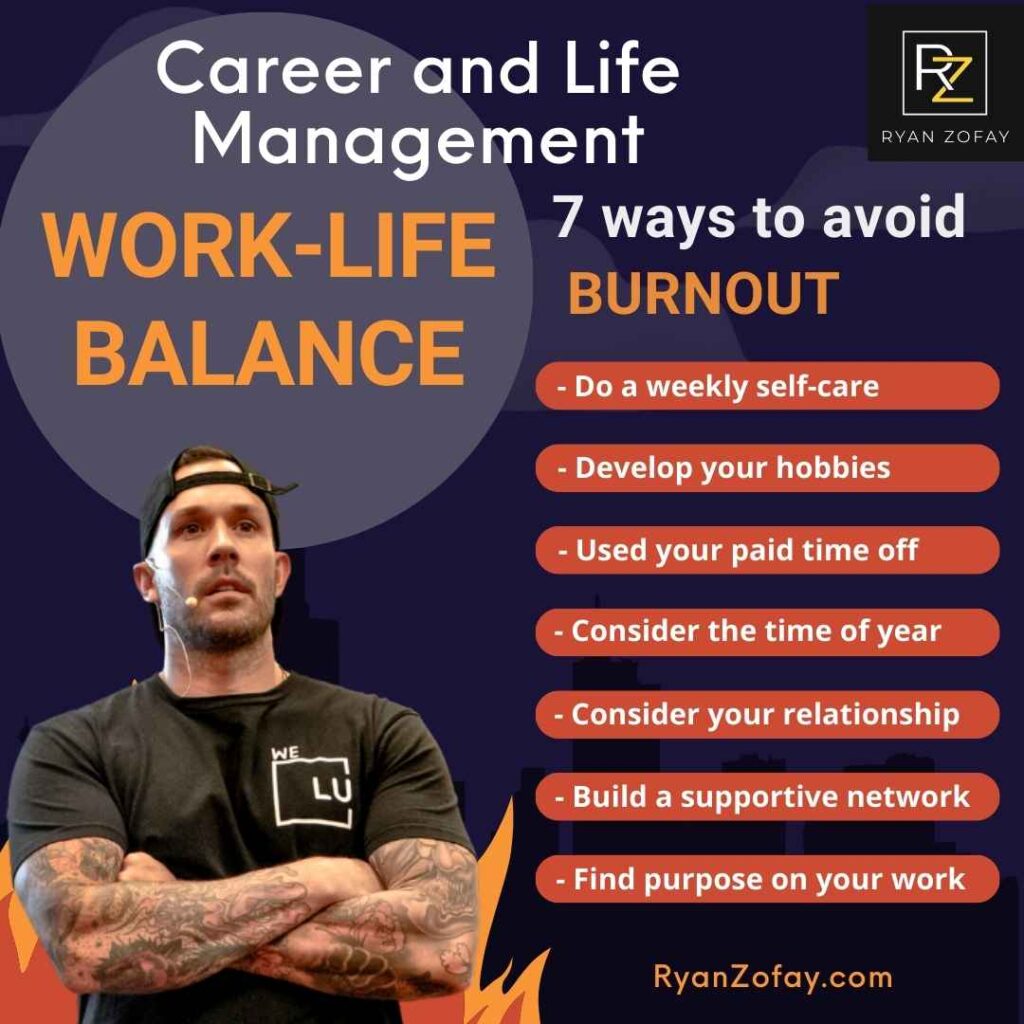
Whatever you choose, maintain a balanced career and life management schedule.
Insights: Don’t chase job titles. Chase problems companies pay to solve (revenue growth, risk reduction, cost savings, and operational efficiency). Follow the “value lever.” Roles tied to revenue, compliance, or efficiency tend to justify higher compensation. Remember, hiring managers trust evidence over credentials.
Step 4: Close the Skill Gap Efficiently
You likely don’t need another degree. Most career pivots require targeted skills, not broad re-education. The goal is precision reskilling. Acquiring only what employers repeatedly ask for.
Follow this process:
- Define the Real Gap. Ignore “nice to have” items. Focus on what shows up consistently.
- Choose Targeted Training. Consider Industry certifications (when frequently listed). Bootcamps (for structured, technical skills). Accredited online programs (when credibility matters). Apprenticeships or contract work (fastest path to experience). Strategic mentorship (to avoid wasted effort).
- Build Proof, Not Just Knowledge. Turn learning into: One work sample. One case study. One measurable result.
Precision beats over-education. Learn what’s required, prove it, and move.
Invest in Education and Training: One of the biggest myths is that you need a degree to make a good career change at 40. That’s simply not true. There are countless online courses, certifications, and resources to help you gain the skills you need.
Insight: Specific gaps are solvable. Vague reinvention is expensive.
Tip: Ask, “What would make a hiring manager confident in 60 seconds?” Build that.
Build a Transition Timeline
A career change at 40 should include:
- 6–12 month skill acquisition plan
- Emergency savings buffer (6+ months recommended)
- Networking roadmap
- Resume repositioning strategy
Gradual transitions reduce pressure and increase probability of success.
Step 5. Networking and Job Search
“Your network is your net worth.” This phrase has been a guiding light in my career. Don’t underestimate the power of connections when pursuing a career change.
- Reach out to people in your target field. Ask questions, seek mentorship, and attend events.
- Update your resume to highlight transferable skills. Show how your past work is relevant to the new role.
- Use LinkedIn effectively. Engage with industry content and connect with like-minded professionals.
When I started my business ventures, the relationships I built over the years opened doors I didn’t even know existed. People root for those who dare to take risks. Give them a reason to cheer you on.
Insights: Surround yourself with people who’ve successfully transitioned to change career at 40. Their insights and support can be invaluable. Build relationships with people in your desired field. Networking can provide valuable insights and opportunities.
Step 6. Leverage Experience and Build a New Identity
Many people fear starting over, but here’s the secret—you’re not starting over. Every job, every failure, every success you’ve had has given you valuable experience.
I tell anyone making a change of career at 40 to see their experience as an asset, not a setback. Highlight what sets you apart. For example, if you’re considering a career change to nursing at 40, highlight your communication skills. Emphasize your adaptability and empathy.
Remember that starting at a lower level in your new field is a stepping stone, not a reflection of your worth. Be patient and persistent. Build a reputation in your chosen field through dedication and excellence. Reinventing yourself takes work, but the payoff is gratifying.
Step 7. Create a Transition Plan
Develop a clear plan for your career transition, including financial considerations and timelines. This will help you stay focused and motivated. Learn about creating a transition plan and adapting to new standards of success you set for yourself.
Step 8. Stay Positive and Resilient
Making a career change can be challenging, so it’s crucial to maintain a positive mindset and be prepared to face setbacks. Explore resilience-building affirmations and uncover how you can become the change you want to see in the world.
Step 9. Take Action and Stay Consistent
The key to successful career changes at 40 is taking consistent action. Start small, but start now. A career change at 40 can propel you to live your greatest life accomplishments by pursuing your meaning.
Step 10. Bonus shortcuts to finding the best careers to start after 40
Career Change at 40 With No Degree: Is It Possible?
Career Change at 40 With No Degree: Is It Possible?
Yes. Many fields value demonstrable skill over formal education.
Industries where degrees are often optional:
- Technology (coding, cybersecurity, IT support)
- Sales
- Digital marketing
- Skilled trades
- Entrepreneurship
- Real estate
Portfolio work, certifications, and results matter more than credentials in many modern industries.
Common Mistakes to Avoid During a Midlife Career Change
Common Mistakes to Avoid During a Midlife Career Change
- Making an emotional leap without financial planning
- Ignoring transferable skills
- Overinvesting in unnecessary degrees
- Failing to network strategically
- Expecting instant results
A career pivot at 40 requires patience and execution discipline.
How Long Does a Career Change at 40 Take?
How Long Does a Career Change at 40 Take?
Most structured transitions take between 6 months and 2 years, depending on:
- Industry complexity
- Required training
- Financial runway
- Existing professional network
Faster transitions are possible when pivoting into adjacent industries.
Mindset Shifts Required for Success
Mindset Shifts Required for Success
A successful career change at 40 requires psychological recalibration:
- Replace identity attachment with growth orientation
- Embrace beginner status temporarily
- Focus on long-term trajectory, not short-term ego
Midlife advantage: resilience. You’ve already survived professional setbacks — which increases your probability of adapting successfully.
Budgeting for a Career Change at 40
Financial Planning for a Career Change at 40
Before transitioning:
- Eliminate high-interest debt
- Build 6–12 months of savings
- Reduce lifestyle inflation temporarily
- Explore part-time bridge income
Financial clarity reduces stress and increases confidence.
Career Change after 40 Readiness Assessment
Wondering if you’re ready for a career change at 40? Take this quick self-assessment. It will check your clarity, financial readiness, and transition progress.
Career Change at 40 Readiness Assessment
Quickly evaluate clarity, financial readiness, and transition momentum. Scoring: Yes = 2, Somewhat = 1, No = 0.
Career Change at 40 with No Degree: Is It Possible?
Making a successful career change at 40 without a degree is possible. Focus on developing relevant skills through online courses, certifications, or vocational training. Many industries value experience and skills over formal education. Explore alternative success ed, leadership development camps, and executive coaching paths.
Best Career Change Jobs at 40
Some of the best career change jobs at 40 include healthcare, technology, and consulting roles. These fields often offer flexibility and opportunities for growth. Consider what aligns with your interests and skills. If you feel like
Common Questions About Career Change at 40
Can I Change My Career at 40?
Absolutely! Age is just a number. With the right mindset and strategy, you can make a career change at 40 and thrive. So, yes, you can change your career at 40. It may take some planning and effort. With the right mindset and strategy, you can move into a new job. This job can bring you joy and success.
What Are the Best Career Change Jobs at 40?
Some of the best career change jobs at 40 include coaching, IT, healthcare, and entrepreneurship roles.
How Do I Start a Career Change at 40 with No Degree?
Focus on gaining relevant skills through online courses, certifications, and hands-on experience. Many industries value skills over formal degrees.
You’ve Got This!
While changing careers at 40 can be hard and rewarding, focus on your passions. Build new skills and stay positive to manage the change well. Pursuing a new path and creating a fulfilling career is never too late.
If you’re ready to take the next step, I’m here to help. Check out my Ultimate Exclusive Success Ed Program for Adult Achievers to gain the tools, strategies, and support you need to succeed.
Making a career change at 40 might feel overwhelming, but it’s also an incredible opportunity to reinvent yourself and pursue your passions. Remember, it’s never too late to create a life you love.
More resources for changing career at 40
For more insights and guidance on career changes and personal development, consider these resources:
- “Old and Thinkin About Change in Life” Tips
- Success Guide: What should I do with my life?
- Living Your Greatest Life
- How to Be the Change You Want to See
- Mindset Mastery
- Inner World Mastery
- Dream your American Dream to Reality
- Rising above, I hate my life with a burning passion meaning
- Don’t believe everything you think book review
- Resolving I Don’t Know What To Do With My Life

Jump To
Table of Contents
My Journey of Changing Careers Again and Again
I wasn’t always a businessman and life coach. My story began as a high school dropout. I was lost, taking life one moment at a time, but deep down, I knew there was more I could achieve. My early years were full of big obstacles. Those challenges became stepping stones for my personal and professional growth.
Starting as an interventionist, I used my skills to support and guide others through difficult times. That role taught me empathy and the power of connection. I carried those lessons when I moved into commodity brokering. Then, corporate life called, and I climbed to become an executive businessman.
But something was missing. I wanted to create an impact—a lasting legacy. I transitioned again to become a career and online life coach, helping others overcome their struggles and achieve their potential. Every time life presented me with an opportunity to pivot, I embraced it wholeheartedly, applying personal development plans through notion goal tracking, visualization, continuous improvement, and self-assessment to guide me.
Changing careers at 40—or any stage of life—takes courage and strategy. Drawing from my experiences adapting, improvising, and overcoming obstacles , I’ve put together this guide for you. Kickstart your career change at 40 with the videos below. They are inspirational and thought-provoking. They show you how to make a career change at 40.
Informative how to make a career change at 40 videos


Top 10 career change at 40 Ideas to Consider
A successful career change at 40 isn’t about starting over. It’s about using your experience in roles with strong demand and clear entry paths. The most effective pivots combine transferable skills, realistic training requirements, and long-term sustainability.
Here are my top 10 career change ideas and insights from my journey and expertise:
As an online life coach and career coach, I have guided numerous clients through making a career change at 40. This important stage can feel hard and rewarding. It lets you use years of experience and follow new passions.
| Career Path + Typical Entry Path | Why It Works After 40 | My Insight |
|---|---|---|
| Project Management (PMP or CAPM certification; start in project coordinator roles) | Leverages leadership, organization, and cross-functional experience across industries | “You’re not starting over — you’re formalizing skills you’ve already used.” |
| Healthcare – RN, Tech, Therapy Roles (Accredited nursing or allied health programs) | High demand, stability, and purpose-driven work | “Purpose sustains reinvention when the learning curve feels steep.” |
| Cybersecurity / IT (Certifications like CompTIA; bootcamps; portfolio projects) | Strong growth, salary upside, skills-based hiring | “Tech rewards proof of competence — not age.” |
| Digital Marketing (SEO, analytics, paid media certifications; build a portfolio) | Remote flexibility; measurable impact; creative + analytical | “Attention is currency. Learn how businesses acquire it.” |
| Consulting (Leverage industry credibility; define a niche) | Monetizes existing expertise with flexibility and autonomy | “Package your experience into solutions, not resumes.” |
| Coaching / Personal Development (Certification + defined niche positioning) | Capitalizes on life experience; growing demand for guidance | “Income grows when your niche is clear.” |
| Entrepreneurship / Small Business (Lean startup execution; business planning) | Aligns income with values; scalable potential | “Build around a problem you deeply understand.” |
| Sales Professional (Industry onboarding; performance-based growth) | High earning potential; relationship-driven | “Sales is service — solve real problems and revenue follows.” |
| Real Estate Agent (State licensing; brokerage mentorship) | Flexible structure; commission upside | “Network depth often outweighs tenure.” |
| Teaching / Mentoring (Certification if required; corporate training roles) | Legacy impact; reinforces your own expertise | “Teaching sharpens mastery.” |
| Non-Profit Professional (Program management roles; sector credentials) | Mission-aligned work with growing social demand | “Impact work must also be sustainable.” |
Transitioning to a career change at 40 can be an exciting experience. It offers the chance to pursue new passions and leverage years of experience. These career change ideas are designed to inspire and guide you toward finding a fulfilling career path. For more insights and guidance on career changes, consider the additional best career changes at 40 ideas below.
Strategic Reminder. When selecting the best career change at 40 make sure to:
- Validate real market demand
- Ensure entry requirements are realistic
- Confirm your experience transfers
- Choose sustainability over trendiness
A midlife transition is not a reset — it’s a refinement. The advantage at 40 is clarity, discipline, and perspective. Use them.
Additional good career change at 40 ideas
Wondering what paths might suit your talents and interests? Here are some of the best career change jobs at 40 you can explore:
- IT Career Change at 40: The tech industry needs problem solvers with diverse backgrounds. Roles like data analysis, digital marketing, and tech support are great entry points with or without a degree.
- Career Change to Nursing at 40: This option is perfect for those who thrive on helping others and enjoy hands-on, meaningful work.
- Best Career Change Jobs at 40 (Creative Fields): Graphic design, content writing, and digital marketing offer flexible careers. They also value your fresh perspective.
- Coaching and Consulting: Use your accumulated experience to guide and mentor others. Discover what is a life coach and what they do as you begin your exploration.
Take the bold leap into a field you’re passionate about—your success lies just out of your comfort zone.
Are you still wondering if a Career Change at 40 is worth it?
Absolutely. The best jobs for career changes at 40 aren’t necessarily determined by industry but by personal alignment. Overcoming fear and taking steps toward a career change at 40 can spark more purpose than in years.
The trials of my life taught me resilience. My willingness to reinvent myself brought me here today, helping people like you see that midlife is a great time. It is the perfect time to take control of your future. A good career change at 40 isn’t just about the job but the person you become.
FAQs
Is changing careers at 40 a smart decision?
Changing careers at 40 can be one of the most strategic moves you make. At this stage, you have emotional intelligence, resilience, and transferable skills. These strengths position you for leadership roles and higher-income opportunities. A well-planned pivot often leads to greater alignment, income growth, and long-term satisfaction.
How do I change careers at 40 without starting over?
If you’re asking, “How do I change careers at 40?” the key is to use transferable skills. Don’t abandon your experience. Focus on:
– Communication and leadership strengths
– Certifications instead of degrees
– Industries with structured onboarding
– Performance-based roles with upside
You’re not starting from zero. You’re repositioning existing value.
How can I change careers at 40 if I have no experience in a new field?
When people search “how can I change careers at 40?” they’re usually concerned about experience gaps. The solution is to target industries that value maturity and certifications over tenure. Examples include tech sales, project management, real estate, cybersecurity, and healthcare support roles. A strategic transition plan includes training, networking, and identity alignment.
What are the best careers to start after 40?
The best careers to start after 40 are those that value strategic thinking over speed. These often include:
– Consulting or coaching
– Healthcare administration
– IT and cybersecurity
– Skilled trade ownership
– Enterprise sales.
Maturity becomes a competitive advantage in trust-based and leadership roles.
What is the best career change at 40?
What are the best careers to start at 40? The best career change at 40 is one aligned with your strengths, values, and long-term earning goals. There is no universal answer — but high-leverage pivots typically involve leadership, communication, or business ownership. A good career change at 40 is one that increases:
– Income ceiling
– Autonomy
– Skill leverage
– Long-term fulfillment
Is starting a new career at 40 risky?
Starting a new career at 40 carries risk only when done without strategy. With planning, financial preparation, and targeted skill acquisition, risk becomes calculated — not reckless. In many cases, staying misaligned is the greater long-term risk.
How do you switch careers at 40 successfully?
If you’re wondering “how do you switch careers at 40?” the framework is straightforward:
– Audit transferable skills
– Identify high-growth industries
– Gain certifications or targeted training
– Reposition your professional narrative
– Take decisive, consistent action
Successful career changes at 40 are built on clarity and execution.
Is an IT career change at 40 realistic?
An IT career change at 40 is absolutely realistic. Many technology roles value certifications (CompTIA, Security+, cloud credentials) over traditional degrees. Cybersecurity, project management, and technical sales are especially accessible pathways. Structured learning paths allow adults to transition within 6–18 months.
What are the best careers at 40 if I want higher income?
The best careers at 40 for income growth often include:
– Enterprise sales
– Business ownership
– Executive leadership
– Real estate investing
– Consulting.
Income expansion is directly tied to leverage — not age.
How do I know if a job change at 40 is right for me?
A job change at 40 is worth pursuing if:
– You feel professionally stagnant
– Your income ceiling is limited
– Your work lacks alignment with your values
– You’ve outgrown your current environment
Clarity is the signal. Strategy is the solution.
Is a Career Change at 40 Worth It?
A career change at 40 is not about starting from zero. It is about strategic redirection. With clear goals, a plan, and steady effort, many midlife professionals build more profitable careers than they did in their 20s. They also build careers with more purpose.
If you’re evaluating your next move, remember, a change career at 40 decision isn’t about starting over. It’s about recalibrating toward alignment, leverage, and growth.
When you take a smart approach, starting a new career at 40 can boost your professional life the most.
If after reading this, you’re still wondering, “Can I change career at 40?” The answer is yes, and I’m here to help. Leap, explore, dream, and grow. And if you need clarity, tools, or a plan, start with our free career changing seminars to map out your next step. Your future is waiting—go after it!
Remember, if you treat the change as a planned move, not an emotional escape, your second act can beat your first.