
By Ryan Zofay: I’m a transformational life and business coach, entrepreneur, and bestselling author. I founded a 9-figure organization after overcoming addiction and adversity. My coaching programs and personal development workshops have helped thousands of individuals transform their mindset, habits, and leadership capacity.
I combine neuro-linguistic programming (NLP), performance psychology, faith-driven leadership
and habit and discipline frameworks. These principles form the foundation of my practical self-discovery strategies.
How to Find Yourself Practical Guide to Rediscovering Your Purpose
Many people reach a point in life where they feel disconnected from their goals, identity, or purpose. They feel detached from who they are or where they are going. Career pressure, relationship challenges, burnout, or major life transitions can create a sense of uncertainty about identity and purpose.
Learning how to find yourself is a process of reflection, self-awareness, and intentional growth. It is about rediscovering the values, beliefs, and goals that align with your authentic identity. It is about challenging limiting beliefs. Aligning your habits with the person you want to become. So, you can rebuild clarity and confidence in your life. It is not about becoming someone new.
Self-discovery is a journey that requires reflection, discipline, and personal growth. It doesn’t happen overnight. It requires honest reflection, exploring new perspectives, and aligning your daily actions with your core beliefs. With the right mindset and tools, you can reconnect with your purpose and create a more meaningful life.
Jump To
Table of Contents
How to Find Yourself Meaning
How to find yourself is one of the most important questions a person can ask. I know this because I once asked the same question. There was a time in my life when I felt lost, disconnected, and unsure about my future. I had made mistakes and faced struggles that made me question my identity and purpose.
Through personal growth, discipline, and deep self-reflection, I learned something powerful. Learning how to find yourself is not about becoming someone else. It is about rediscovering the strength, values, and purpose that already exist within you.
Today I help people from all walks of life rebuild their lives. Entrepreneurs, leaders, parents, and individuals come to me when they feel stuck or uncertain. My mission is simple. I help people find meaning, clarity, and direction so they can move forward with confidence.
Uncover My Journey to Finding Myself
Ryan Zofay’s Personal Journey of Self-Discovery
When I talk about finding yourself, I’m not speaking from theory alone. I’m speaking from the pain, chaos, and healing I’ve lived through. There was a period in my life when I felt completely lost. I hated my life with a burning passion. I struggled with destructive patterns, childhood trauma, addiction, and homelessness. I also felt lost without a clear direction. During those years, I questioned my identity, my purpose, and whether my future could ever look different. I didn’t know what to do with my life.
Everything began to change when I committed to personal growth and honest self-reflection. I stopped running from my past. I started doing the inner work. I unpacked my childhood trauma. I faced my inner child. I learned how those early wounds shaped my beliefs and actions. At the same time, I received mindset coaching, emotional intelligence, human behavior and leadership training. Over time, I became a neuro-linguistic specialist. I did this to rebuild my own life and help others do the same. I learned that finding yourself when you feel lost starts with accountability and self-awareness. It also takes a willingness to change, one decision at a time.
Tip: Take my free emotional intelligence test and figure out what you can improve today.
Through discipline, mentorship, and daily mindset work, I rebuilt my confidence and created a new path forward. I adopted a mindset to improvise, adapt, and overcome. I refused to stay stuck in excuses. I chose growth over victimhood. That journey taught me how to find happiness within myself. It also showed me how to find peace within myself. I learned this even after brutal setbacks. I did it by mixing inner world mastery healing with practical strategies. These include “stay humble, hustle hard,” and radical responsibility. They also include deep emotional work
Today, I use those lessons to help others who feel like I once did. Entrepreneurs, leaders, parents, and others come to me when they feel lost, burdened by the past, or stuck in a “nobody cares” mindset. Through coaching and my guides, I help them find their values. I help them process their pain. I help them strengthen their mindset. I help them take practical steps toward meaningful change. I show them they are stronger than they think. I show them they are more capable than they believe
My story proves that no matter where you start, change is possible. This is true even with trauma, addiction, or years of feeling alone. When you learn how to find yourself, you start living with clarity, confidence, and purpose. That becomes the foundation for real success, serving others, and lasting personal growth.
Today, as the founder and leader at We Level Up, a 9-figure organization, I serve others in recovery. As a servant leader, I help people transform their mindset, rebuild confidence, and create meaningful success. My expertise comes from both professional training and real-life experience.
Earlier in my life, I faced serious challenges that forced me to confront my choices and completely rebuild my path. Through focused self-growth, strong mentors, and deep study of human behavior, I became a neuro-linguistic specialist. Now, I help people break limiting beliefs and unlock their potential. I use life lessons and proven coaching strategies to train entrepreneurs, leaders, and individuals. Together, we build clarity, resilience, and purpose-driven growth.
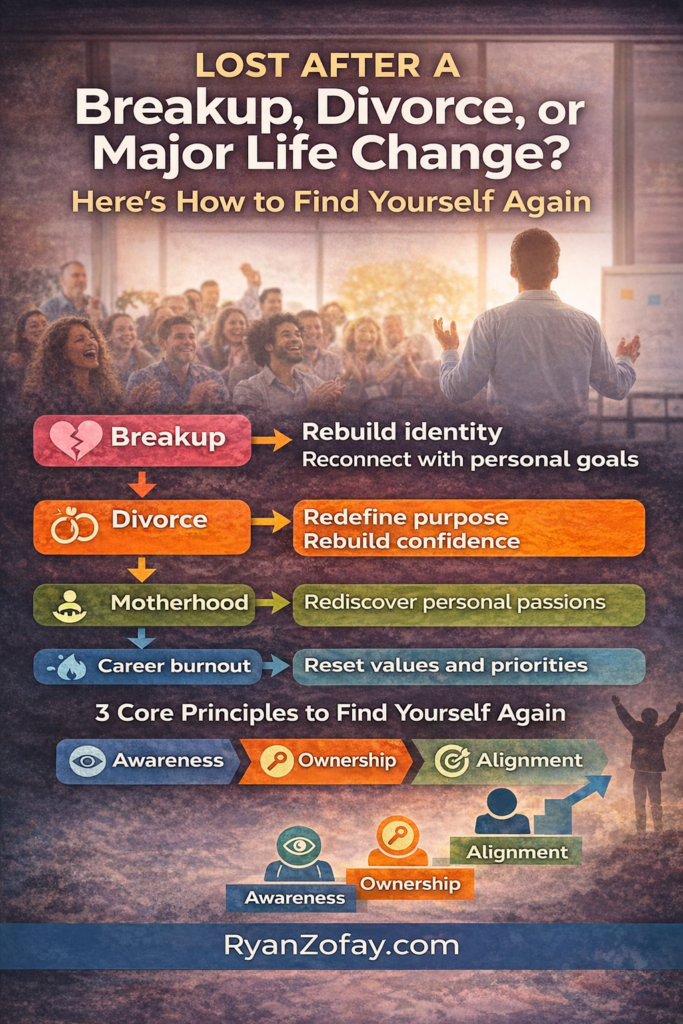
What Does It Mean to Find Yourself?
Finding yourself means developing a deeper self-awareness. Understanding of your values, identity, motivations, and purpose. It involves reflecting on your experiences, recognizing your strengths and beliefs. Aligning your actions with the person you want to become. Psychologists often describe self-discovery as learning to understand and accept your authentic self.
It is the process of understanding who you are beyond others’ expectations. It means aligning your actions with what truly matters to you. In short it is developing clarity about who you are, what you value, and the direction you want your life to take. In practical terms, finding yourself involves:
- reflecting on your beliefs and experiences
- identifying and understanding your core values (the beliefs that shape your behavior)
- experimenting with new goals and behaviors (exploring new experience)
- building habits that align with your authentic identity (aligning your actions with your purpose)
Self-discovery is not a single moment. It is a continuous process of reflection, growth, and intentional action. Many people searching for how to find themselves are actually seeking deeper clarity. They are searching for their purpose, meaning, identity, and fulfilment.
Why People Feel Lost in Life
Feeling lost is a common human experience. It often occurs when external expectations begin to conflict with internal values. Most people do not wake up one day randomly asking how to rediscover themselves. Usually, something significant happens.
Many people ask me about how to find yourself after a breakup or how to find yourself after divorce. Others want to know how to find yourself again after motherhood because their identity has shifted. Common turning points include:
- a breakup or relationship loss
- divorce
- career burnout
- becoming a parent
- personal setbacks or emotional exhaustion
- life stresses and societal pressures
- relationship changes or loss
- unresolved trauma or emotional stress
- major life transitions
- lack of direction or purpose
Loss of identity often occurs when individuals live according to external expectations rather than internal values. When these challenges accumulate, individuals may begin questioning their identity and long-term goals. Recognizing this feeling is often the first step toward rediscovering yourself. While these life changes can feel overwhelming, they also create powerful growth opportunities.
The Truth About Learning How to Find Yourself
The process of rediscovering yourself doesn’t happen through a single realization. Instead, it unfolds through a series of intentional changes in how you think, reflect, and live your daily life. Apply my coaching strategies. Combine personal development principles, mindset work, and practical exercises designed to help you reconnect with your authentic self.
Because finding yourself does not require extreme changes or dramatic life decisions. Instead, it requires awareness, courage, and daily commitment.
Over the years, I have developed a framework that helps people reconnect with their identity and purpose.
Below are proven strategies I share with my clients.
Top 10 Proven Steps to Find Yourself
Step 1
Step 1: Create Time for Honest Self-Reflection
One of the first steps in learning how to find yourself is creating space for honest self-reflection. You cannot discover who you truly are while constantly distracted. Self-awareness requires quiet reflection.
Ask yourself questions such as:
- What values truly matter to me?
- What activities make me feel alive?
- What parts of my life feel out of alignment?
Reflection helps uncover the difference between who you are and who you have been trying to be.
Some people even begin with a how to find yourself quiz or guided coaching exercises. Others start with simple reflection prompts, a guided find yourself exercise, or support from a personal development coach.
Reflection helps uncover the difference between who you truly are and who you have been trying to be.
Activities to Practice
- Write daily reflections in a journal for 10 minutes each morning.
- Take a quiet walk without your phone and notice your thoughts.
- List the five moments in your life when you felt most fulfilled.
In coaching sessions, I often asks clients to write a personal life timeline. Many discover that their happiest moments happened when they were living according to their values, not external expectations.
During my own transformation, reflection was one of the first habits I practiced daily. It helped me recognize patterns in my decisions and begin rebuilding my life with good intentions.
Step 2
Step 2: Accept Your Past Without Letting It Define You
Many people struggle with how to find themselves again because they remain emotionally tied to the past.
They carry regret from failed relationships, career mistakes, or difficult life events. But learning how to find peace with yourself begins with acceptance.
Your past does not control your future. It simply teaches you lessons.
When people accept their past, they create space for growth.
Activities to Practice
- Write a forgiveness letter to your past self, acknowledging what you didn’t know then.
- Identify three lessons from your most difficult challenges.
- Replace regret statements like “I ruined everything” with growth statements like “I learned X, and now I choose Y.”
My own life began to change when I stopped viewing my past as pure failure and started seeing it as preparation. That mindset shift allowed me to rebuild, become a better man, and eventually guide others through their own transformations. Your story doesn’t end with what you’ve done—it begins with what you decide to do next.
Step 3
Step 3: Reconnect With Your Personal Values
A key part of finding yourself again is reconnecting with the values that shape your decisions and identity. When people feel lost, it is often because their daily actions no longer align with what truly matters to them.
Start by identifying the principles that guide your life.
Examples include:
- identify
- values
- purpose
- self-discovery
- honesty
- family
- creativity
- growth
- service
When your daily actions match your values, it is easier to feel grounded. You can also find happiness within yourself, even in tough times.
Activities to Practice
- Write your top five values and define what each one means to you.
- Evaluate whether your career, relationships, and habits reflect those values or fight against them.
- Remove or reduce activities that clearly conflict with your priorities.
I’ve watched entrepreneurs, parents, and leaders regain clarity simply by reconnecting with their values. Once you know what truly matters, decisions become easier and life feels more meaningful. That’s when you stop living on autopilot and start living on purpose.
Insight: Values shape identity. When people feel lost, they often feel disconnected from what matters most.
Step 4
Step 4: Strengthen Your Mindset
Mindset plays a major role in personal transformation.
Negative beliefs often keep people stuck in cycles of doubt and fear. Through coaching, NLP techniques, and personal development work, individuals can reframe those beliefs.
When mindset improves, people begin discovering how to find inner peace with yourself even during challenges.
Activities to Practice
- When you catch a negative thought, consciously replace it with a growth‑focused statement.
- Spend a few minutes each day visualizing the person you’re becoming and how that version of you thinks and acts.
- Write down beliefs that limit you. “I’m not smart enough,” and “I don’t deserve success.” Challenge each one with evidence from your real life.
As a neuro‑linguistic specialist, I’ve helped many clients reprogram how they interpret adversity. Time after time, big breakthroughs happen when they stop trusting every thought as true. They begin choosing a new inner narrative. You don’t control everything that happens to you—but you can learn to control the meaning you give it.
Step 5
Step 5: Rebuild Confidence Through Small Wins
Confidence does not appear overnight. It grows through consistent action.
Start with achievable goals that move your life forward.
Examples include improving daily habits, strengthening relationships, or learning new skills.
Each step helps rebuild self-trust and reinforces your ability to move forward.
Activities to Practice
- Set three small weekly goals that you know you can follow through on.
- Track your daily progress in a journal or simple checklist.
- Celebrate each milestone, no matter how small, and acknowledge what it took to get there.
I often explain that confidence is built through evidence. Every time you follow through, you collect another piece of evidence that you are capable of change. Over time, these small victories create powerful momentum—and that momentum is what carries you into much bigger breakthroughs.
Step 6
Step 6: Build Daily Habits That Align With Your Identity
The final step in learning how to find yourself and stay aligned with your identity is to build daily habits. These habits reinforce who you want to become.
Motivation is great, but it’s your systems and routines that actually shape your life.
Identity is formed by consistent actions. When your habits match your values and goals, and support your growing mindset, your life shifts almost automatically. That’s where real transformation takes root.
Activities to Practice
- Create a simple morning routine that supports your growth—this could include reflection, movement, and planning your day.
- Practice gratitude and reflection daily, even if it’s just three things you’re grateful for and one thing you learned.
- Set a clear intention for your day each morning, such as “Today I will lead with patience” or “Today I will honor my health.”
What I’ve seen again and again, with myself and the leaders I coach, is this. Lasting change is not built on hype. It’s built on habits. Once your daily routine matches who you want to be, you feel more clear, confident, and at peace.
That’s usually the moment people tell me, “Ryan, I finally feel like myself again.” And that’s what this whole journey is really about. It’s about remembering who you are. Then you live that truth every day.
Step 8
Step 8: Step Outside Your Comfort Zone
Sometimes people feel lost because their lives have become too predictable.
Growth requires new experiences.
When you try new places, skills, or viewpoints, you find strengths and interests you did not know you had.
Exploration often reveals parts of your identity that routine hides.
Activities to Practice
Try one new experience each week, even if it’s small.
Take a class, attend an event, or learn a skill outside your normal routine.
Travel or explore a new place in your city with curiosity.
In my own life, transformation didn’t happen while staying comfortable. It happened when I began doing things that scared me or challenged my identity.
Every time someone steps outside their comfort zone, they collect new information about who they are capable of becoming.
Step 9
Step 9: Evaluate Your Environment and Relationships
Your environment influences your mindset more than most people realize.
The people around you, the talks you hear each day, and your daily habits shape how you see yourself.
If you want to rediscover who you are, it’s important to evaluate whether your surroundings support your growth.
Activities to Practice
Identify relationships that encourage your growth and those that drain your energy.
Spend more time with people who challenge and inspire you.
Reduce exposure to environments that reinforce negative thinking.
One pattern I see often is this: when someone changes their environment, their mindset begins to change as well.
The right community can help you see possibilities you couldn’t see alone. And sometimes rediscovering yourself simply means surrounding yourself with people who remind you of your potential.
Step 10
Step 10: Define a Meaningful Direction for Your Life
Self-discovery is not only about understanding who you are today. It’s also about deciding who you want to become.
Purpose gives direction to your growth.
Instead of searching for one perfect life calling, focus on how your strengths, passions, and values add meaning. They can also help others.
Purpose evolves as you grow, but choosing a direction helps you move forward with clarity.
Activities to Practice
Write a personal mission statement describing the kind of life you want to build.
Identify ways your strengths could positively impact others.
Set long-term goals that reflect the person you want to become.
What I often tell clients is that purpose isn’t something you magically discover. It’s something you build.
When you combine your values, your experiences, and your desire to contribute, purpose begins to emerge naturally. And once people feel that sense of direction, their confidence and clarity grow dramatically.
How long self-discovery takes
How Long Does It Take to Find Yourself Again?
One of the most common questions people ask is how long self-discovery takes.
The truth is that rediscovering yourself is not a single moment or event. It is a gradual process of awareness, experimentation, and growth.
For some people, clarity begins to appear within weeks of intentional reflection and lifestyle changes. For others, the process unfolds over months or even years as they explore new experiences and reshape their mindset.
What matters most is consistency.
Ryan Zofay often emphasizes that transformation happens through small daily actions rather than sudden breakthroughs.
When people reflect on their values, build better habits, challenge limiting beliefs, and seek support, self-discovery becomes clearer.
Over time, those small changes build momentum, allowing individuals to feel more confident, aligned, and purposeful in their lives.

How to Find Yourself Again After Feeling Lost
Many people search for how to find yourself again when they feel disconnected from who they used to be. Major life transitions such as career changes, divorce, parenthood, or relocation often shift priorities and routines. Over time, these changes can make people feel like they no longer recognize themselves. This can happen after:
- Long periods of stress or burnout
- Staying in unhealthy relationships
- Prioritizing others’ expectations over personal goals
- Experiencing trauma or significant setbacks
- Becoming overly focused on career or responsibilities
The key to rediscovering yourself is rebuilding clarity through reflection and action. Start by reviewing your core values. Identify habits that drain your energy. Reconnect with activities that bring meaning to your life.
Insight: I often remind clients that losing yourself is not a personal failure. It is often a natural response to life circumstances.
The key point is that self-discovery is always possible, even if someone has felt disconnected for a long time. Remember, self-rediscovery is less about reinventing yourself and more about returning to what matters most.
7 Signs You’re Losing Yourself (And How to Find Yourself Again)
Many people search for answers about how to find yourself when you feel lost. Life changes, stress, relationships, and constant pressure can slowly disconnect you from who you truly are. The infographic below highlights common warning signs that you may be losing touch with your identity and purpose. More importantly, it also shows practical steps to help you rediscover clarity, confidence, and direction.
Recognizing these patterns early can help you rebuild your sense of self before feeling completely overwhelmed. Here are the key insights from the infographic and how you can apply them in your life.
7 Signs You May Be Losing Yourself
Constantly seeking validation from others
1. Constantly Seeking Approval
When you begin making decisions based on what others think instead of what you believe, it can slowly erode your confidence. Many people who struggle with how to find yourself again realize they have lived to meet others’ expectations.
A helpful practice is to pause and ask yourself: What do I truly want? Taking time for honest reflection can reconnect you with your personal values and goals.
So, stop living according to others’ expectations and live up to your own.
Feeling unmotivated or emotionally drained
2. Feeling Disconnected From Your Goals
Another sign is losing motivation toward goals that once excited you. When your daily life feels disconnected from your purpose, you may begin questioning your direction. You feel unmotivated.
This often happens after major life transitions such as career changes, burnout. Or even when searching for how to find yourself after a breakup. Revisiting your long-term goals can help restore focus and meaning.
Emotional Instability / Unhappiness
3. Your Happiness Depends on Others
If your happiness depends entirely on someone else’s approval or attention, it can lead to emotional instability. Learning how to find happiness within yourself is an essential step in rebuilding your identity.
Healthy relationships support personal growth, but your emotional well-being should not depend on another person’s validation.
Feeling stuck or uncertain about the future
4. Feeling Stuck or Directionless
Feeling stuck is one of the most common signs people experience when they start asking how to find yourself when you feel lost. You may feel like you are going through the motions without a clear purpose.
This feeling often signals that something in your life is out of alignment with your values or goals.
Lack of Confidence / Negative Thinking
5. Your Confidence Has Faded
Confidence naturally fluctuates, but long periods of self-doubt can indicate deeper issues. If you no longer trust your decisions or abilities, it becomes harder to move forward.
Many people rediscover confidence by focusing on small wins and rebuilding self-trust through consistent action.
Ignoring Your Needs
6. Ignoring Your Own Needs
Another common sign is putting everyone else’s needs ahead of your own. Over time, this can lead to burnout and resentment.
Learning how to find inner peace with yourself requires prioritizing your mental, emotional, and physical well-being.
Feeling Exhausted
7. Feeling Emotionally Exhausted
Emotional exhaustion is often the final signal that something needs to change. When you constantly feel drained, overwhelmed, or disconnected, your mind and body are telling you it’s time to reset.
This is when many people begin searching for answers about how to find yourself again.
Answers to Finding Yourself
How to Find Yourself Again
Once you recognize these signs, the next step is taking intentional action. The infographic highlights five proven strategies that help people reconnect with themselves and rebuild clarity.
Practice Self-Reflection
Self-reflection allows you to reconnect with your identity and values. Journaling, quiet thinking, or guided exercises can help uncover what truly matters to you.
Ask yourself simple questions like:
- What makes me feel fulfilled?
- What do I want my life to represent?
Reconnect With Your Values
Your values shape your decisions and behavior. When your daily actions align with your core beliefs, it becomes easier to rediscover your purpose.
Consider identifying your top five values such as growth, honesty, creativity, or family.
Set Small Personal Goals
When you feel lost, large goals can feel overwhelming. Instead, focus on small, achievable steps that move your life forward.
These small accomplishments rebuild confidence and momentum over time.
Build Inner Peace Practices
Practices that support mental clarity can help you reconnect with yourself. These may include meditation, exercise, gratitude journaling, or mindfulness.
These habits help strengthen emotional balance and help you develop lasting inner peace.
Seek Guidance or Coaching
Sometimes the fastest way to rediscover direction is through outside guidance. Coaches, mentors, and personal development experts help people break through limiting beliefs and create clear action plans.
Many individuals searching for how to find yourself again discover that professional support accelerates personal growth.
Rediscovering Your True Self
Feeling lost does not mean you have failed. In many cases, it simply means you are entering a new stage of personal growth. Recognizing the signs early helps you reconnect with your values. It can rebuild your confidence. It also helps you create a life that fits who you truly are.
Learning how to find yourself is not a single moment. It is an ongoing journey of self-awareness, growth, and intentional choices. When you take time to reflect, reset, and realign your life, you move toward more clarity, happiness, and inner peace.
These experiences do not mean something is wrong with you. They often signal that your current lifestyle is misaligned with your deeper values.

Keep in mind that when these feelings appear, they often mean parts of your identity are hidden. They may be buried under duties, expectations, or hard experiences.
Insight: I often explains that many people don’t actually lose themselves completely. Instead, they lose connection with the parts of themselves that once felt authentic.
Becoming aware of this disconnection can motivate you to begin the process of rediscovery.
Questions to Ask Yourself to Find Yourself Again
Sometimes the fastest way to reconnect with yourself is by asking the right questions. Self-discovery often begins when you pause long enough to honestly examine your thoughts, motivations, and priorities. These questions can help reveal patterns, values, and desires that may have been overlooked for years.
Instead of rushing to find immediate answers, approach these questions with curiosity and patience. Questions to Reflect On should include:
- What moments in my life have made me feel the most fulfilled?
- If fear or judgment weren’t factors, what would I pursue?
- What kind of environment helps me feel energized and motivated?
- What strengths or qualities do others consistently recognize in me?
- What kind of life would feel meaningful to me five or ten years from now?
Writing your responses down can deepen the reflection process and reveal connections between your experiences, values, and aspirations.
Insight: I often encourage clients to approach self-discovery with honesty rather than perfection. I remind people that clarity does not come from pretending to have everything figured out. It comes from asking better questions and being willing to listen to the answers.
Over time, those answers begin to shape a clearer understanding of who you are and the direction you want your life to take.
The Journey of Rediscovering Purpose
My life story plays a major role in how I coach others today. I did not start my journey with success. I began with challenges that forced me to confront who I really was.
There was a time when I felt completely disconnected from my purpose. I struggled with harmful habits, emotional pain, and choices that pulled me further from who I wanted to be. During those years, I did not understand how to find yourself when you feel lost.
Everything changed when I began focusing on personal development. I studied mindset, leadership, and neuro-linguistic programming. I worked with mentors and committed to personal discipline.
Step by step, I learned:
- how to find peace within yourself
- how to find happiness within yourself
- how to find value in yourself
Those lessons changed my life. They also shaped the coaching work I do today.
Finding Yourself After Relationship Changes
Relationships often shape our identity. When those relationships change, people may feel uncertain about who they are.
How to Find Yourself After a Breakup
Breakups can create emotional confusion and loss. The key is shifting your focus from the relationship to personal growth.
Use this time to rediscover interests, friendships, and goals that reflect your authentic self.
How to Find Yourself After Divorce
Divorce often forces individuals to rebuild their identity and lifestyle. While the process may feel difficult, it also provides an opportunity to redefine your future.
Many people eventually discover stronger independence and clarity.
How to Find Yourself in a Relationship
Self-discovery does not mean leaving relationships behind. Healthy relationships support growth and individuality.
Partners can keep learning how to find yourself in a marriage or long-term relationship. Do this by keeping personal goals and using open communication.
Learning How to Find Happiness Inside Yourself
Many people believe happiness depends on external achievements. In reality, happiness develops from internal alignment. Learning how to find happiness inside yourself involves three core elements:
- emotional awareness
- meaningful goals
- authentic relationships
When these areas align, people begin experiencing deeper fulfillment and peace.
Tools That Help People Begin Their Journey
Some individuals start exploring self-discovery through reading or education.
Popular resources include:
- book on how to find yourself
- how to find yourself books
- how to find yourself again books
These tools can inspire reflection and personal insight. However, lasting change often requires action and accountability.
That is where coaching and mentorship become powerful.
Below is a selected list of five popular self-discovery books. These books can help you begin your journey toward clarity and growth.

Best Books on How to Find Yourself
Many people begin their self-discovery journey through reading. Books about personal growth help introduce powerful ideas, challenge limiting beliefs, and encourage deeper reflection. Popular books include:
| Book & Author | Why It’s Popular | My Review |
|---|---|---|
| Man’s Search for Meaning — Viktor E. Frankl | A profound memoir about finding purpose even during extreme hardship. Frankl’s time in Nazi concentration camps led him to develop logotherapy, a philosophy focused on living with meaning. | “This book reminds us that meaning—not comfort—is what sustains the human spirit. When people feel lost, they often search for external answers. Frankl shows that purpose is discovered internally.” |
| The Alchemist — Paulo Coelho | A philosophical novel about following your dreams and discovering your “Personal Legend.” Its storytelling approach makes deep life lessons accessible and inspirational. | “The Alchemist reconnects readers with intuition and courage. Many people already know their calling deep inside—they just need the confidence to pursue it.” |
| Atomic Habits — James Clear | One of the most influential modern self-improvement books. It explains how small daily habits add up over time. These habits can lead to major life changes. | “Self-discovery without action creates frustration. Atomic Habits provides practical systems that transform insight into consistent behaviors.” |
| The Power of Now — Eckhart Tolle | A spiritual classic focused on mindfulness, presence, and freeing oneself from constant mental noise and ego-driven identity. | “Many people searching for themselves are actually searching for peace. This book teaches that clarity often appears when we learn to live in the present moment.” |
| The Four Agreements — Don Miguel Ruiz | A short and powerful guide based on Toltec wisdom. It shares four simple principles for personal freedom and emotional clarity. | “The Four Agreements simplifies personal growth into powerful daily principles. When someone applies even one consistently, their mindset begins to shift.” |
Why Choose Ryan Zofay for How to Find Yourself
My approach to coaching comes from real experience and proven frameworks.
I understand what it means to rebuild a life from the ground up. That experience helps me guide others through their own transformation.
As a neuro-linguistic specialist, personal development coach, and business mentor, I help clients:
- break limiting beliefs
- strengthen mindset
- rediscover personal purpose
- improve leadership skills
- design meaningful lives and careers
Many people come to me asking how they can rediscover their identity and direction. Through coaching, we work together to uncover clarity and help them learn how to find yourself again with confidence.
What It Feels Like to Finally Find Yourself
One of the most rewarding moments in coaching is watching someone reconnect with their purpose. Clients often describe how it feels to find yourself in similar ways.
They feel calmer. They feel more confident. They feel aligned with their values and goals. Instead of chasing validation from others, they begin living with clarity and self-trust.
Learning how to find yourself again is a journey of reflection, growth, and intentional change. By knowing your values, you can find clarity and purpose again. Challenge limiting beliefs. Try new experiences. Craft self-improver habits to match who you are.
Self-discovery is not a one-time event. As your experiences evolve, so will your understanding of who you are and what matters most. The key is staying curious, continuing to reflect, and choosing actions that move you closer to the life you truly want to live.
Frequently Asked Questions
What is the first step for how to find yourself?
The first step is self-awareness. You must take time to understand your values, beliefs, and emotional patterns. Reflection and honest evaluation are essential.
How can I learn how to find yourself again after a difficult period?
Start by reconnecting with your goals and values. Self-reflection, personal development work, and coaching support can help rebuild confidence and direction.
What helps people understand how to find happiness within yourself?
Happiness grows when your daily actions align with your values and purpose. Mindset training, gratitude practices, and meaningful goals help create lasting fulfillment.
How do people discover how to find peace within yourself?
Inner peace develops when individuals accept their past, release resentment, and focus on personal growth. Emotional awareness and healthy habits support this process.
Can coaching help me learn how to find yourself when you are lost?
Yes. Coaching provides guidance, tools, and accountability that help individuals break limiting beliefs and rediscover their identity.
Does Ryan Zofay offer coaching to help people find meaning and direction?
Yes. Ryan Zofay works with individuals, leaders, and entrepreneurs. He helps them reconnect with their purpose. He helps them build a stronger mindset. He also helps them rebuild confidence through personal development and NLP coaching.
Can someone rediscover themselves while staying in a relationship?
Absolutely. Healthy relationships encourage growth. Individuals can continue learning how to find yourself in a relationship while maintaining their own identity and personal goals.
How do I start finding myself?
Start by reflecting on your core values, journaling about your goals, and experimenting with new experiences. Self-discovery begins with awareness and develops through consistent action.
Why do people feel lost in life?
People often feel lost when their actions become disconnected from their values or purpose. Major life transitions, burnout, and external pressure can create this feeling.
How long does it take to find yourself?
Self-discovery is an ongoing process rather than a single moment of realization. Many people refine their identity and goals throughout different stages of life and their experiences.
Can coaching help you find yourself?
Yes. A mentor or life coach can help you spot blind spots, challenge limiting beliefs, and keep you accountable as you grow.
What are the first signs you’ve lost yourself?
Loss of motivation, confusion about goals, people-pleasing behavior, and emotional burnout.
A Message From Ryan Zofay
If you are searching for how to find yourself, I want you to know something important. Feeling lost does not mean you have failed. It means you are ready for change.
Many of the most successful people I work with started their journey during moments of uncertainty. Those moments forced them to reflect, grow, and rediscover their true potential.
Your next chapter can be stronger than your last.
Begin Your Journey to Rediscover Yourself
Right now, you may feel unsure about your direction. You may be questioning your purpose, your relationships, or your future. I understand that feeling deeply because I once lived through it myself.
But discovering how to find yourself can transform every part of your life. When you reconnect with your purpose and values, you gain clarity, confidence, and peace. The path forward becomes stronger and more meaningful.
If you are ready to rebuild your mindset, you can start today. Strengthen your sense of purpose. Create a life that reflects who you are. Take the first step now. Your transformation begins the moment you decide to move forward.
