
Breaking the Habit of Being Yourself: My Book Review & Identity Transformation Guide (By Ryan Zofay)
Join me as I review “Breaking the Habit of Being Yourself”. I’ll share my own journey of personal change. Through breaking old habits, I went from being an addict and a 7th-grade dropout to starting a successful 9-figure addiction rehab network. I had to create a new best version of myself. You’ll find a step-by-step guide to changing your identity. We’ll delve into how to break old self-limiting patterns to build emotional resilience. All leading to living your best life beyond your imagination.
Breaking the Habit of Being Yourself Book Facts:
Publication & Availability
Publication & Availability
- The book Breaking the Habit of Being Yourself was first published in 2012. It was published by Hay House, Inc.
- Breaking the Habit of Being Yourself is available in different formats, like paperback and ebook. You can buy it from major retailers such as Amazon, Barnes & Noble, Google Books, and Apple Books. Barnes & Noble+2Apple+2
- The publisher’s website indicates that the Breaking the Habit of Being Yourself book has been published in more than 25 countries. hayhouse.com
About the Author
About the Author — Dr. Joe Dispenza
Dr. Joe Dispenza is a neuroscientist, chiropractor, researcher, and international lecturer known for blending science, spirituality, and human transformation. He became well-known after appearing in the documentary What the Bleep Do We Know. This film helped many people see the power of thought and consciousness.
Why He Wrote the Book
Dr. Dispenza wrote Breaking the Habit of Being Yourself. He wants to show people that they can change their identity. They can also change their behaviors and emotions. His mission is to link advanced neuroscience with practical tools. This way, anyone can rewire their brain, change their emotions, and create a new life experience.
His core message: Your personality creates your personal reality. Change your personality, and your life changes with it.
His Inspiration
A major turning point in his life—and the inspiration for his research—came from a life-threatening accident in 1986. While cycling, he was struck by an SUV and suffered multiple spinal fractures. Despite medical advice for risky surgery, Dispenza chose a different way. He used mental rehearsal, meditation, and visualization to heal his spine and body.
Nine weeks later, he was walking again—without surgery.
This experience ignited his lifelong obsession with understanding:
- How the brain can change the body
- How thoughts create emotions
- How meditation can transform identity
- How can people break free from their past
What Makes Him Interesting
Dr. Dispenza is not just an author. He runs big research projects around the world. He measures brain waves, heart coherence, and biological markers during meditation retreats. His events have produced findings such as:
- Participants showing rapid changes in neural activity
- Significant improvements in emotional regulation
- Documented cases where people report physical healing
- Shifts in genetic expression related to stress and immunity
He is one of the few teachers of self-transformation. He combines scientific data with spiritual practice. This makes his work appealing to both skeptics and seekers.
Worth Mentioning
- His retreats often sell out worldwide, attracting thousands.
- He has built a large global online meditation community.
- His research team uses EEGs, HRV monitors, and advanced lab testing.
- He has written several bestsellers, including You Are the Placebo and Becoming Supernatural.
- He teaches that your brain and heart are powerful tools for creating a new version of yourself.
Book’s Popularity
Book’s Popularity, Reception & Facts
- On Goodreads, the book “Breaking the Habit of Being Yourself” has a rating of 4.13 out of 5. This rating is based on 37,687 ratings and 2,841 reviews. Goodreads
- Retail listings call the writer a “best-selling author, international speaker, and researcher.” This suggests that “Breaking the Habit of Being Yourself” is marketed as a bestseller. Barnes & Noble+1
- “Breaking the Habit of Being Yourself” is often used in self-help and personal development. It is mentioned in many summaries and review sites. This is due to its impact on changing identity, neuroscience, and rewiring mindset. The Insider Review+1
Interesting Facts
Additional Interesting Facts
- The author, Joe Dispenza, combines neuroscience, quantum physics, and epigenetics in Breaking the Habit of Being Yourself. Epigenetics is the study of how the environment and behaviors can change gene expression. Knowledge Compendium+2Selected Reads+2
- The book, Breaking the Habit of Being Yourself, is structured in three major parts:
- Part I: The Science of You — explains how your environment, body, and time keep you locked in old patterns. theprocesshacker.com+1
- Part II: Your Brain and Meditation introduces the idea of the “Three Brains.” These are the neocortex, limbic brain, and cerebellum. It explains how you go from thinking to doing to being. 12min+1
- Part III: Stepping Toward Your New Destiny — gives a step-by-step meditative process for identity transformation. Data Dailey+1
- The book “Breaking the Habit of Being Yourself” has guided meditations. These meditations are organized into weekly sections, such as “Week One” and “Week Two.” This helps the reader practice the material rather than just read it. booksummaryandreview.com+1
- Some critics may say that the book “Breaking the Habit of Being Yourself” is popular and influential. However, some of its claims may be controversial. This is especially true in quantum physics and epigenetics. These claims may be questioned in strict scientific or academic circles. SuperSummary+1
- Frequently cited quote: “A memory without the emotional charge is called wisdom.” — reflecting the Breaking the Habit of Being Yourself book’s emphasis on emotion + thought rewiring. New Book Recommendation+1
- The book “Breaking the Habit of Being Yourself” has been translated into many languages. It also has international editions, such as the German edition titled “Ein neues Ich.” Wie Sie Ihre gewohnte Persönlichkeit in vier Wochen wandeln können.”) Wikipedia+1
Breaking the Habit of Being Yourself Synopsis
Some books inform you. Other books transform you. Breaking the Habit of Being Yourself is a special book. It can change how you view your identity, emotions, and potential. As someone who rebuilt his life from the ground up, I didn’t just read this book — I felt it. I saw in its pages the same emotional struggles and patterns that helped my recovery and gave me purpose.
Jump To
Table of Contents
Breaking the Habit of Being Yourself Book Review
This isn’t just a book review. This is a conversation. A personal one. And a doorway to the deeper work that I now teach on RyanZofay.com through programs like:
- The Personal Development Workshops
- Transformational Drinking Recovery Insights
- Transformative Leadership and Growth Mindset Coaching
The ideas in this book mirror the beliefs that saved my life. And today, I want to share both the review and the roadmap.
Breaking the Habit of Being Yourself Book Review — In My Own Words
When I discuss Breaking the Habit of Being Yourself, I refer to a book that shares my personal experience. It explains that our identity, patterns, emotions, and reactions are not permanent. It’s practiced.
In simple terms, this book is about letting go of your old self. It helps you build the person you are meant to be.
This book explains why many of us feel stuck. Asking what I should do with my life, or wondering why I hate my life with a burning passion? We keep repeating the same emotions, thoughts, and habits. This happens even when we really want to change. It explains how our brains get used to familiar things. It also shows how our bodies can become addicted to the feelings we have most often, like stress, shame, fear, anger, worry, or chaos. After all we all 3-part humans connecting our emotional state to physcial state.
What I love about the book is that it shows, very simply, that our personality is not who we truly are. It’s who we’ve been rehearsing. We can create a new identity in the same way. We do this through new thoughts, feelings, habits, and ways of imagining our future.
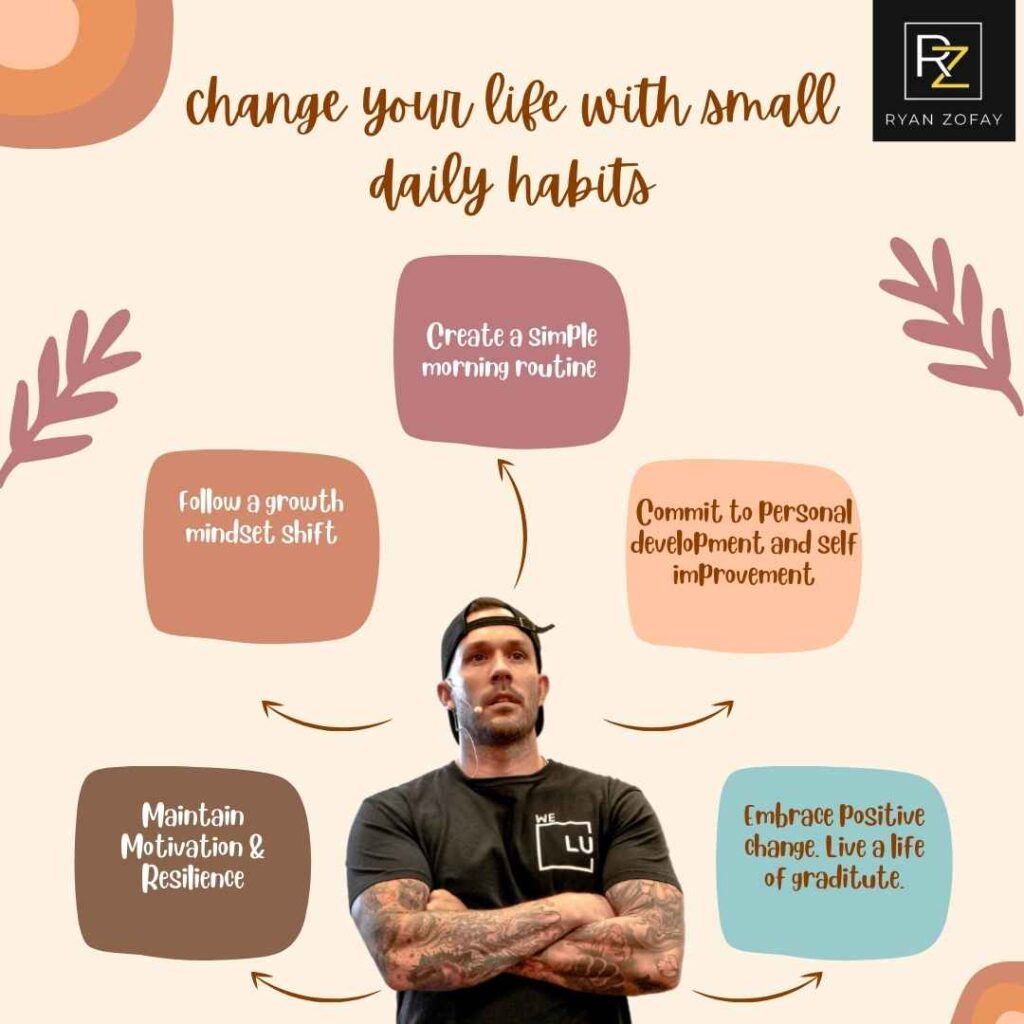
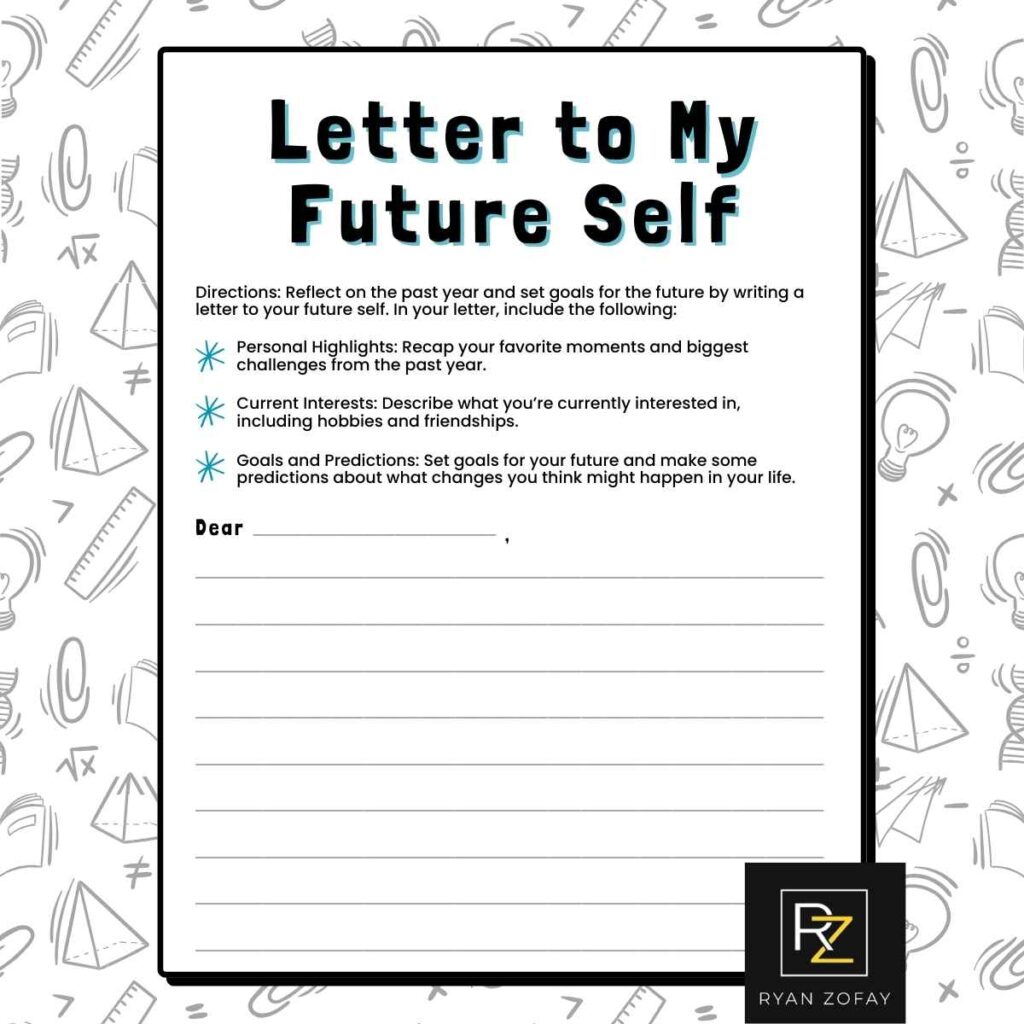
The author walks through how our subconscious mind runs most of our daily decisions, and how we can break free from those unconscious patterns. These manifest as our self-limiting beliefs. He explores the science of neuroplasticity, which is the brain’s ability to change itself. He shows how meditation, visualization, and emotional awareness can truly reshape who we are.

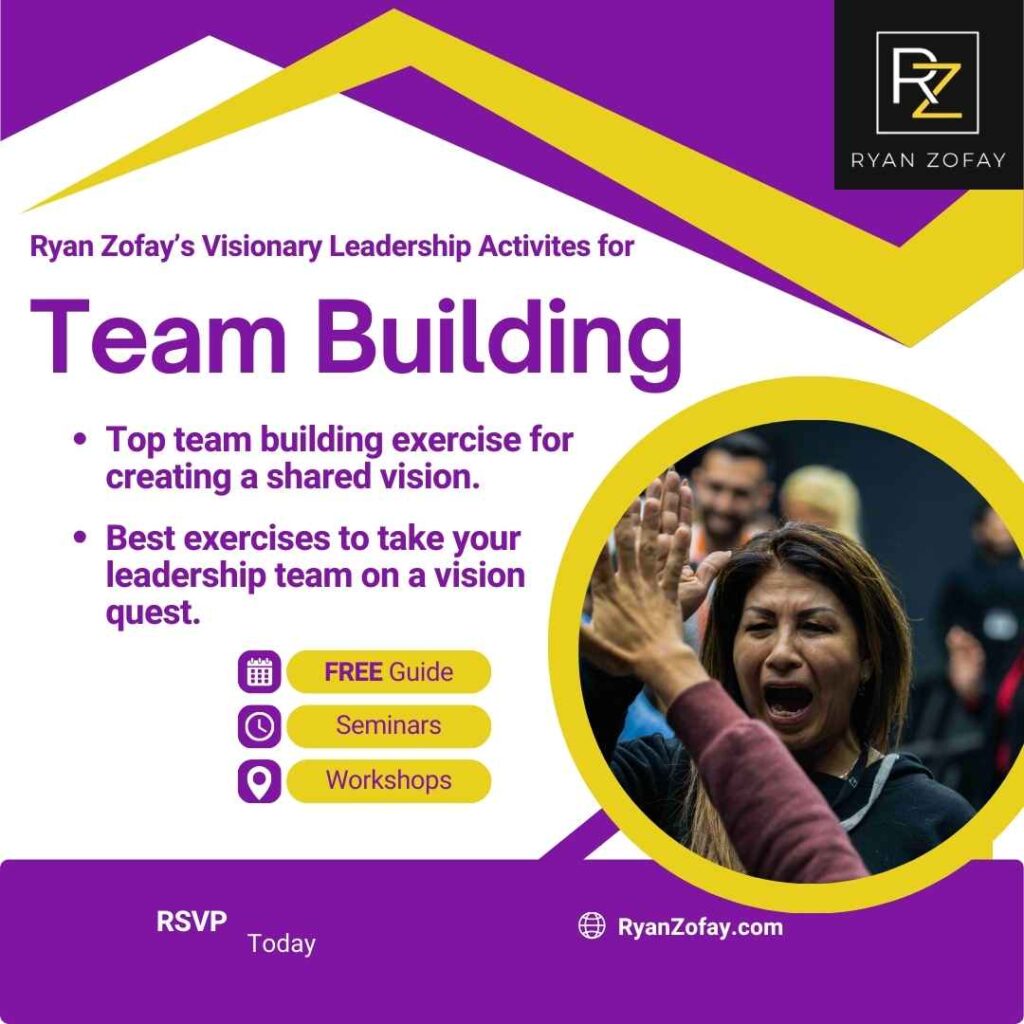
For someone like me, who has seen old patterns break and new ones form, this book explains everything I’ve felt. It reveals the mechanism of change. It explains why we get stuck. It gives people hope that change is possible. You can create this change on purpose.

What Breaking the Habit of Being Yourself Doesn’t Tell You (But You Need to Know)
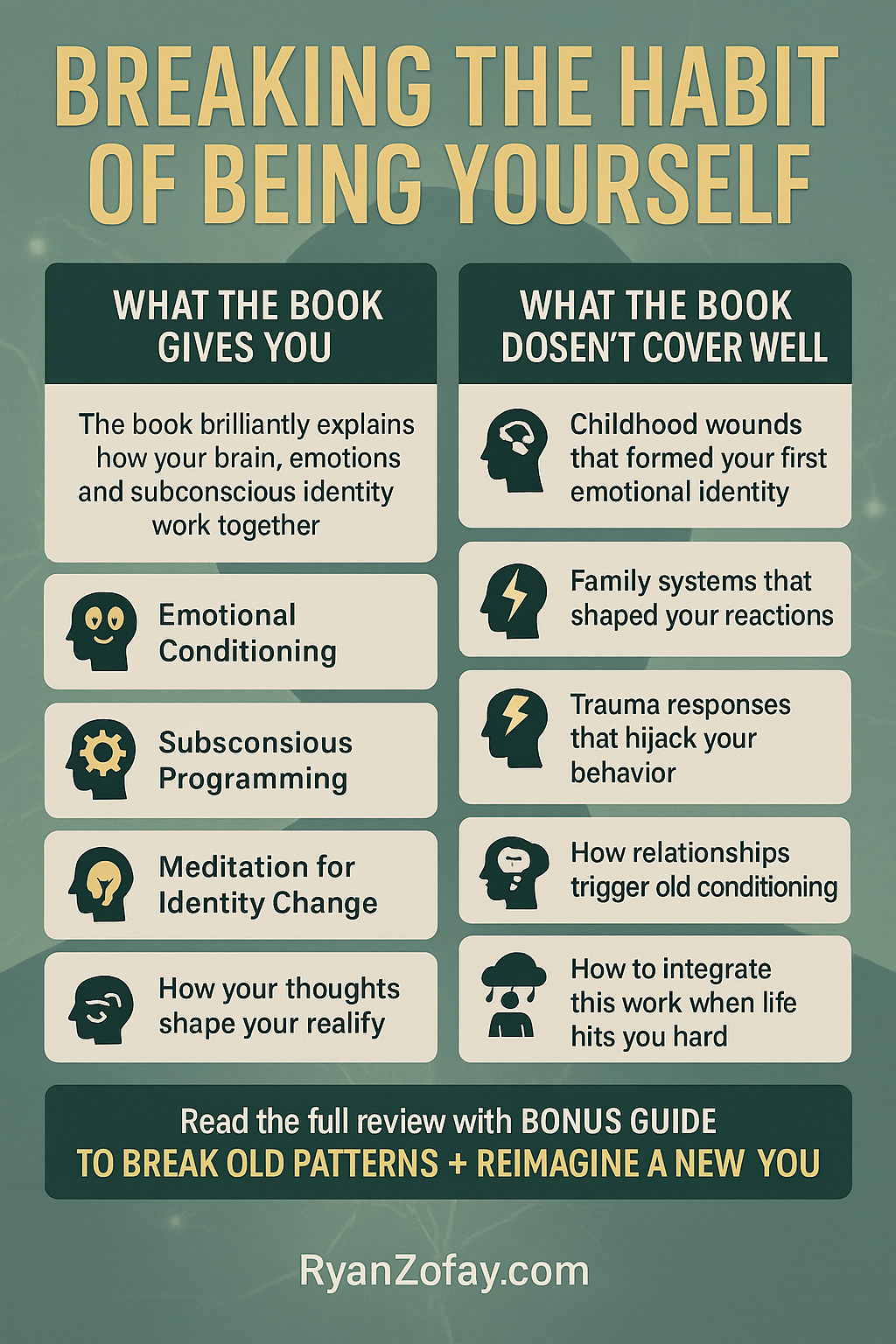
Breaking the Habit of Being Yourself explains how the brain changes. However, it does not fully address the emotional parts needed for real and lasting change. This is where many people get stuck, and the work becomes very human. The book explains the how, but not always the why:
- why certain patterns cling to you…
- why your reactions feel automatic…
- why “changing your mind” often isn’t enough.
Below are the deeper layers the book touches only lightly—yet they are essential for true identity change:
1. Childhood wounds shaping early identity
Your earliest emotional experiences form the blueprint for who you believe you are. These imprints become the subconscious programs you carry into adulthood—far before you ever develop conscious thought.
2. Family systems creating emotional reactions
We don’t just inherit behaviors; we absorb them. The roles we played in our families, like hero, caretaker, peacemaker, and rebel, still impact us today. They influence how we handle stress. They also affect how we deal with conflict and build connections with others.
3. Trauma responses hijacking behavior
Trauma doesn’t just live in the mind—it lives in the body. When triggered, your nervous system reacts faster than your thoughts. It can override the brain areas the book suggests you change.
4. Relationship triggers resurfacing old patterns
Intimate relationships act as mirrors, reflecting back the unhealed parts of ourselves. No amount of meditation can replace the lessons learned when someone activates an old emotional wound.
5. How to integrate the work when life gets hard
It’s easy to meditate in a quiet room. It’s much harder to stay calm when you feel overwhelmed, criticized, or are dealing with grief. The book doesn’t fully explain the emotional resilience required to apply this work under pressure.
6. Why community & accountability matter
Transformation rarely happens in isolation. Support, encouragement, reflection, and accountability can help you stay consistent. This is especially true when old habits try to pull you back.

My Identity Transformation Approach (And How It Complements the Book)
The book offers the science. But, my journey offers a true lived experience. That’s how my intentive coaching offers the application in a way that work for my clients.
Where the book uses neuroscience and meditation as tools for identity rewiring, I go deeper into:
- Emotional triggers
- Trauma-informed patterns
- Inner child reactions
- Accountability within relationships
- Embodied leadership
- Real-world habits that support psychological change
If you look into my coaching methods, you will see how these emotional layers speed up the identity shift described in the book. Together, the Breaking the Habit of Being Yourself book’s insights and my frameworks create a powerful formula. Which leads to lasting next level performance results, and change.
How Breaking the Habit of Being Yourself Reflects the Story of My Own Transformation
The core message of the book is simple but profound:
Your personality creates your personal reality.
That means our repeated thoughts, familiar emotions, and ingrained behaviors all combine to build who we believe we are. That identity — for better or worse — becomes the script for our entire life.

When I was lost in addiction, childhood trauma, and self-destruction, my personality was built on survival. I reacted to life instead of responding to it. I repeated emotional patterns I never understood. I let past pain define my present decisions.

And just like the book teaches, those patterns became my identity.
Here’s how deeply aligned this book was with my own lived truth:
| Book Concept | My Lived Experience |
|---|---|
| Thoughts trigger emotions | My self-talk kept me in patterns of shame and fear |
| The body becomes addicted to familiar emotions | Chaos felt “normal,” peace felt foreign |
| Identity is a learned habit | My identity was shaped by trauma, not truth |
| Visualization creates a future self | I learned to imagine the man I needed to become |
When the book mentions “rehearsing your future identity,” it felt like a clear explanation. It described the emotional work I had done naturally when I chose to change my life.
Why Most People Struggle to Change (And What This Book Gets Right)
We don’t stay stuck because we’re lazy. We stay stuck because we’re loyal to familiar emotions.
- If you’re used to chaos, peace feels uncomfortable.
- If you’re used to feeling unworthy, confidence feels suspicious.
- If you’re used to controlling the environment, surrender feels dangerous.
This book explains exactly why breaking these habits feels so hard — and more importantly, why it’s absolutely possible.
In my online life coaching and my own transformation, I’ve seen the same truth:
Change doesn’t begin with behavior.
Change begins with identity.
That’s why so many people try to create new results with old emotional wiring. It doesn’t work. It can’t. Once you understand this, transformation becomes less about forcing change and more about retraining your internal world.
Let’s Talk Honestly: Who Are You When You’re Not Pretending?
Before identity can change, you must recognize who you’ve been practicing to be.
This is a question I use in my workshops:
- “Who am I when I’m triggered?
- Who am I when no one is watching?
- Who am I when I feel rejected, afraid, or ashamed?”
These moments reveal your real identity — the one shaped by old emotional patterns, survival instincts, and painful memories. Once you can see it honestly, you can start breaking the habit of being that version of yourself. This is where transformation truly begins.
The Emotional Work That Helped Me Break My Old Patterns
My change didn’t happen overnight. It happened moment by moment, emotion by emotion. Here’s what I did differently:
- I stopped running from discomfort.
- I sat with it.
- I learned from it.
I asked myself better questions:
- “Why am I reacting like this?”
- “What emotion am I avoiding?”
- “What story am I replaying?”
- “What does my future self need from me right now?”
Slowly, the emotional triggers that once controlled me lost their power. That’s the heart of this book, “Breaking the Habit of Being Yourself” — and the heart of my work. You cannot think your way out of emotional patterns. You must experience your way out.
A Simple Chart to Identify What Needs to Change
This is a chart I use often in my programs, and it aligns beautifully with the Breaking the Habit of Being Yourself book’s teachings.
| The Old Habit of Being Yourself | The Identity You Are Becoming |
|---|---|
| Reacts instantly | Pauses and chooses intentionally |
| Expects the worst | Looks for opportunity and meaning |
| Relives past pain | Builds a future vision |
| Avoids hard conversations | Communicates truth with compassion |
| Gives up easily | Keeps small promises daily |
| Self-criticizes | Encourages self with evidence of growth |
These aren’t rules. They’re invitations. Each shift takes you closer to the identity you’re meant to embody.
Why Emotional Rehearsal Is the Secret Ingredient
This is the concept where the book Breaking the Habit of Being Yourself shines. And one of the biggest secrets of transformation. You must practice being the future version of yourself before your life reflects it.
Courage must be practiced before you feel brave. Confidence must be practiced before you succeed. Self-love must be practiced before it feels natural.
Your nervous system doesn’t change when your circumstances change. Your circumstances change when you change. This is what emotional rehearsal creates — a new baseline identity.
Real-Life Moments When My New Identity Finally Stuck
When my identity shifted, everything changed. Here’s what it looked like in real life:
- When someone triggered me, I paused. I breathed. I chose differently.
- When shame surfaced, I looked for the lesson instead of attacking myself.
- When fear rose up, I acted anyway — even in small ways.
- When life got hard, I didn’t collapse. I anchored into my vision.
These weren’t dramatic moments. They were small, consistent decisions. And they built a new identity over time. This is exactly what the book Breaking the Habit of Being Yourself teaches — and exactly what I’ve lived.
My Honest Review of “Breaking the Habit of Being Yourself”
As a personal development coach, I have experienced transformation myself. I believe this book is one of the best and easiest guides to understanding identity change today.
Here’s what I appreciate most:
- It explains why change feels so hard
- It reveals how the brain locks us into old patterns
- It gives emotional insight supported by neuroscience
- It empowers people to visualize a new identity
- It aligns deeply with real-world emotional healing
My take?
The book gives the framework. My work gives emotional integration. Together, they can completely transform someone’s life. And if you want to dive deeper, you can explore:
- Personal Development Transformational Workshops.
- Success Ed Leadership Development Camp for Executives & High Achievers.
- My Alcoholism Recovery & Healing Journey Insights.
Final Thoughts: The Habit You Must Break Is the Habit of Being Who You No Longer Want to Be
Change is not a skill. Change is a practice. You are not chained to the past. You are not defined by old stories. You are not limited by who you used to be.
Breaking the habit of being yourself means letting go of the emotional part of you created for survival. It is about becoming the conscious, empowered, and grounded version of yourself that is built with intention.
Your identity is not a prison. It’s a doorway. And you get to walk through it every day.
Additional Resources for Breaking the Habit—and Becoming Your Best Self
Here are richly detailed “Incremental Resources”. This list includes my main coaching and transformation resources. It also covers psychology, mindfulness, identity, journaling, leadership, emotional intelligence, and habit building. Plus, there are some recommended books to read next.
Actionable Guides & Toolkits
- Personal Development Workshops
Join guided workshops that explore the book’s neuroscience and mindset strategies. These are led by Ryan Zofay, both in person and online. - Growth and Transformation Plan
Access a science-backed playbook for rewiring habits, setting goals, and sustaining long-term identity change. - Success Coach Guide
Explore proven frameworks for breaking through self-imposed limitations, and convert new awareness into real action. - How to Practice Mindfulness Regularly
Learn step-by-step routines and exercises to turn mindfulness from a concept into your daily lifestyle. - Mindfulness Exercises & PDF Downloads
Try practical, printable mindfulness and meditation techniques that parallel the emotional work from the book. - Free DISC Assessment
Discover your personality blend to identify the unconscious patterns driving your behaviors and relationships. - Time Management Tools & Templates
Build the daily structure that supports true identity change, using checklists and habit-tracking PDFs. - Emotions and Decision Making Guide
Master the emotional skills needed to rewrite your reactions, improve resilience, and achieve greater clarity under stress. - Best Self-Help Books PDF & Free Ebooks
Continue your journey with a downloadable library of books that empower mindset, growth, and mental health. - Millionaire Mindset Book Free Online
Shift your money narrative—the perfect companion for evolving identity, discipline, and abundance mindset.
Journaling & Reflection
- Personal Growth Journal Prompts
Use reflection questions that dig deep into the habits, beliefs, and stories you want to shift. - Sections for a Growth Journal
Organize your journaling practice to track triggers, milestones, and self-image breakthroughs.
Mindfulness, Meditation & Self-Regulation
- Online Meditation Timer for Mindful Change
Stay consistent with daily meditation—essential for rewiring your brain and unlearning limiting emotional patterns. - Morning Routine Checklists
Start each day with intention and discipline—key behaviors that help cement new habits from your identity work. - How to Master Your Emotions
Understand and transform your emotional cycles to support consistent change.
Identity, Leadership, & Lifestyle
- Leadership Training Programs
Learn to lead teams—or just lead yourself—through major personal transformation and change management. - Lifting Myself Up: From Homelessness to Success
Read Ryan’s full story: from breaking old survival habits to becoming a change leader. - Top 25 Self-Confidence Exercises
Practical steps for building a new self-image—one promise and small win at a time. - Notion Goal Setting System for Life Change
Implement the “future self rehearsal” core to both the book and Ryan’s method.
Companion Workbooks & Audio Meditations (External)
- Breaking the Habit of Being Yourself Guided Meditations
Official meditations and mental rehearsals produced by Dr. Joe Dispenza (direct from the publisher). - Breaking the Habit of Being Yourself Workbook PDF
A companion workbook with daily prompts, habit trackers, and step-by-step exercises.
Want even more?
Visit Ryan Zofay’s blog for weekly articles, coaching insights, and the latest in science-backed identity changeg.
