Welcome to The 7 Habits of Highly Effective People + 3 Secrets to 9-Figure Success
One of the most profound influences on my journey was Stephen Covey’s The Seven Habits of Highly Effective People. This isn’t just a book; it’s a blueprint for operating at your highest potential. In building We Level Up into a massive organization, I discovered that Covey’s habits were the foundation. But I needed to add my own “secret sauce” to truly scale.
I wasn’t always a 9-figure entrepreneur helping lead a team of over 600 people. In fact, there was a time when my life was spiraling out of control. I first tried drugs when I was 11. I dropped out of school in 7th grade. By my teenage years, I was facing felony charges. I hit rock bottom when a car accident nearly took my life in 2001. Even after finding sobriety, I struggled to find my footing in business. I chased money, got sued, lost it all and felt completely hollow inside.
It wasn’t until I shifted my mindset from “what can I get?” to “who can I become?” that everything changed. I realized that happiness and success are an inside job. I focused on personal development and spent over 1,500 hours in training. I found methods that saved my life and scaled my business.
Jump To
Table of Contents
The Seven Habits of Highly Effective People Book Review
I have read many personal development books over the years. Some are inspiring, some are practical, and many just repeat old ideas with a new cover. The 7 Habits of Highly Effective People is different. Covey didn’t write a “quick fix” book. He wrote a blueprint. If you take the time to apply it, it will change how you run your life, relationships, and business.
As a life and business coach, I’m always looking for frameworks that create real behavior change—not just “feel good” moments. Covey’s work is one of the few that consistently delivers because it’s built on principles, not trends. It doesn’t rely on hacks. It relies on character.
What makes this book strong is that it’s not just about being more productive—it’s about being more effective. There’s a big difference. Productivity can help you do more. Effectiveness helps you do what matters.
Final Verdict
The 7 Habits of Highly Effective People is one of the few self-development books that earns its reputation. It’s not a trendy read—it’s a leadership training manual for life.
If you want fast fixes, look elsewhere. But if you want deep change—this book is a cornerstone.
And if you actually apply it, you won’t just become more effective. You’ll become the kind of person whose success is sustainable.
Rating: 9/10. Not perfect for every reader (it can feel structured and dense in parts), but the principles are unmatched.
A Paradigm Shift
The Real Game-Changer: The Paradigm Shift
Before Covey even gets into the habits, he makes one thing clear: your results are shaped by how you see the world. That’s the “paradigm shift” concept, and it’s the foundation of everything else.
In coaching, I tell clients: Your problems often come from how you see things. You may not know what to do, but your view leads to the same results.
Covey forces you to confront that lens. If you feel stuck in resentment, blame, or quick decisions, no habit will help. You need to change how you see responsibility and character.
Core Philosophy
Covey’s Core Philosophy: Character Over Personality
This is one of the most refreshing parts of the book. Covey calls out the difference between:
- Personality ethics (image, charm, tactics, “how to win people over”)
and - Character ethics (integrity, fairness, discipline, honesty, service)
If you’ve ever met someone who “says the right things” but doesn’t live it, you know why this matters. In business and leadership, personality can take you far—but character is what keeps you there.
You can’t scale a life—or a company—without character. Your habits eventually expose what you value.
What I Love About The Book
What I Love Most About This Book
1) It doesn’t sugarcoat responsibility
It’s impossible to read this book and stay a victim.
2) It’s timeless
The principles hold up in 2026 just as much as they did decades ago because integrity and discipline never go out of style.
3) It scales
Whether you’re working on yourself, your marriage, your leadership, or your organization—these habits apply.
Who This Book Is For
You should read The 7 Habits if:
- You want structure, not just inspiration
- You’re tired of temporary motivation
- You want better relationships and better results
- You’re building a business, career, or family and need a foundation
- You know you’re capable of more, but your habits aren’t matching your potential
My Practical Takeaway (How I Teach This to Clients)
If I had to simplify the entire book into a coaching formula, it would be this:
Personal ownership + clarity + discipline = independence
Integrity + empathy + collaboration = interdependence
Renewal = sustainability
Covey teaches effectiveness as a lifestyle—not a tactic.
The Seven Habits of Highly Effective People Coach’s Guide (With Activities, Tips, and Training)
I’m Ryan Zofay. A business and life coach, author, entrepreneur, and founder of We Level Up. I didn’t come from privilege or a clean, linear success story. I came from chaos and addiction. My life had serious consequences. I rebuilt everything through discipline and structure. I used principles that really work in the real world.
When people ask me “what are the seven habits of highly effective people?”, I tell them this:
The principles are simple.
The application is what changes your life.
The seven habits of highly effective people by Stephen Covey have endured for decades. Because they are built on character, responsibility, and long-term results—not hacks. Below is my business coach breakdown of Covey’s seven habits of highly effective people. Next, you’ll see, how I’ve applied them in my own life and business, and how you can apply them starting today.

Quick Snapshot: The Seven Habits of Highly Effective People List
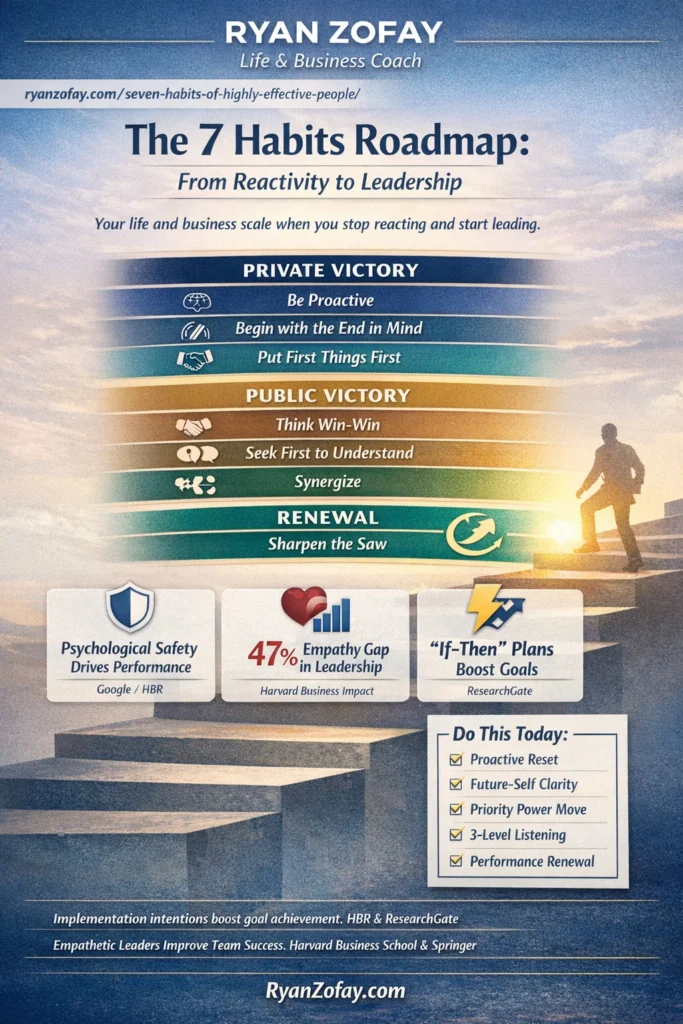
Here’s the classic seven habits of highly effective people list, in order:
- Be Proactive
- Begin with the End in Mind
- Put First Things First
- Think Win-Win
- Seek First to Understand, Then to Be Understood
- Synergize
- Sharpen the Saw
These habits are taught worldwide through the Franklin Covey seven habits of highly effective people programs. They are part of the larger seven habits of highly effective people training system.
The Foundation: Covey’s Seven Habits of Highly Effective People
When people ask me for a seven habits of highly effective people summary, I tell them it’s about moving from dependence to independence. But, with a final destination toward interdependence. It is the roadmap I used to go from a place of victimhood to a place of leadership.
Here is how I utilized these habits to transform my life and business, and how you can too.
Habit 1: Be Proactive
For years, I blamed my circumstances—my upbringing, the system, my past—for my failures. Being proactive means realizing you are the creator of your life. It means taking responsibility.
In my coaching, I teach that there is a gap between stimulus and response. In that gap lies your freedom. If you are looking for a seven habits of highly effective people review, know that this first habit is the hardest but most necessary. You must stop reacting to the economy or your competitors and start creating your own economy.
- My Application: I stopped waiting for the “right time” to start my business. I realized that if I wanted to help people in recovery, I had to take the first step, regardless of the fear.
- Resource: Learn to overcome your internal blocks with my Self-Limiting Beliefs Guide.
This is where everything begins. Proactive people don’t wait to feel ready. They don’t outsource their self-control.

Coaching example
Coaching The Seven Habits of Highly Effective People, personal example:
I had to stop blaming my past, my circumstances, and other people. I had to own the next decision, even when I didn’t like the situation.
Proactive coaching prompts
- Where am I reactive right now (emotionally, financially, relationally)?
- What do I control today?
- What is the next right action—regardless of mood?
Practical tips
- Replace “I have to” with “I choose to.”
- Write a Control List: What I control / What I influence / What I don’t control.
- When triggered, pause and ask: “What would the leader version of me do next?”
Activity (10 minutes): The Proactive Reset
One conversation you’ve been avoiding
List 3 problems stressing you out.
Under each, write:
One action you can take today
One boundary you can set
Habit 2: Begin with the End in Mind
In the early days, I was just trying to survive the month. I had no vision. Covey’s seven habits of highly effective people teach us that all things are created twice. First in the mind, then in reality.
You need a vision so clear that it pulls you through the hard times. When I started my treatment centers, I didn’t just see a building; I saw thousands of families restored. I saw a legacy.
- Activity: Write your own eulogy. What do you want people to say about you? This brings clarity to your current actions.
- Resource: Use my guide on Making SMART Goals to turn your vision into actionable steps.

If you don’t decide who you’re becoming, your environment will decide for you.
Coaching example
My example:
When I started rebuilding, I had to define what “winning” looked like—sobriety, integrity, leadership, and impact. I wasn’t just trying to “stop messing up.” I was building a future identity.
How I coach Habit 2
- Define the person you want to be in 3 years
- Define what your calendar should look like
- Define what your relationships should feel like
- Define what you stand for (and what you won’t tolerate)
Activity: The 3-Year Identity Statement
Write 5 sentences:
I create impact through…
I am the type of person who…
I lead by…
I protect my energy by…
I earn trust by…
Habit 3: Put First Things First
This is where the rubber meets the road. It’s about discipline. Many entrepreneurs’ mistake movement for achievement. I used to be “busy” all day but accomplished nothing. Seven habits of highly effective people training emphasizes prioritizing what is important, not just what is urgent.
I learned to say “no” to good opportunities so I could say “yes” to great ones. I utilize time-blocking templates to ensure my energy goes toward high-impact activities like leadership development and strategy.
- Resource: Download my Morning Routine Checklist to win your day before it starts.
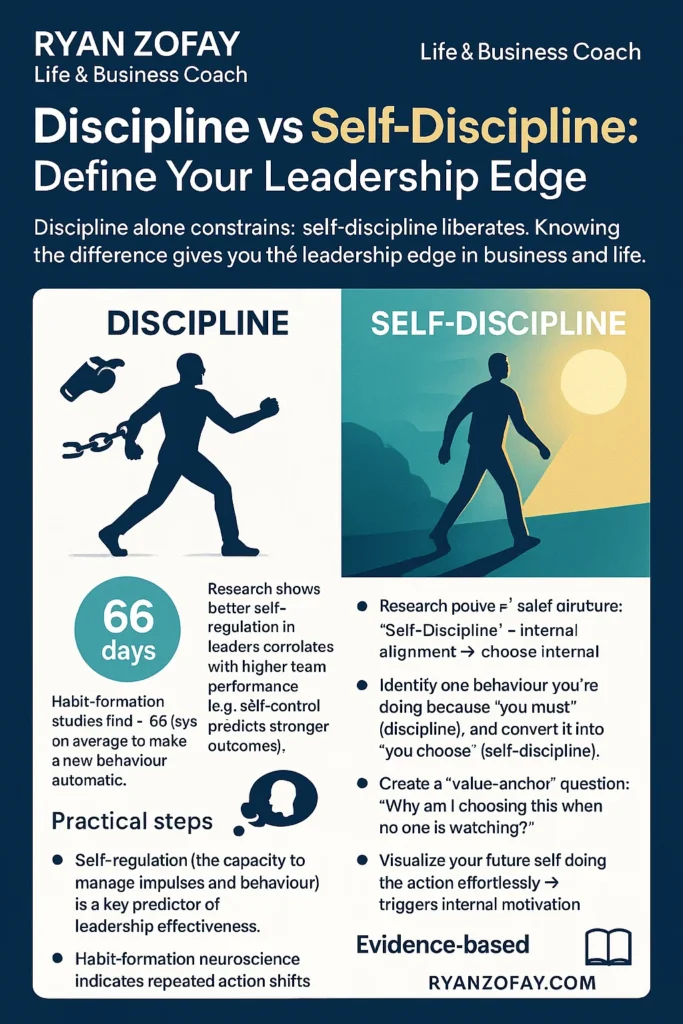

Most people don’t have a motivation problem. They have a priority problem.
Coaching example
My example:
Building a real business and a real life required structure: disciplined mornings, controlled inputs, and consistent execution. That’s how you stop living in crisis mode.
The “First Things” system I teach
- Your calendar is your character
- Your routines create your results
- Consistency beats intensity
Activity: Weekly “Big 3” Planning
Every Sunday:
Block 2 relationship priorities (family, spouse, key team)
Pick 3 outcomes that matter most this week
Block 3 time windows for deep work
Habit 4: Think Win-Win
In my early business dealings, I thought for me to win, you had to lose. That scarcity mindset nearly destroyed me. The Seven Habits of Highly Effective People by Stephen Covey introduced me to the abundance mentality.
Now, whether I am negotiating a deal or coaching a client, I look for the mutual benefit. If it isn’t a win for everyone involved, I walk away. This builds long-term trust and a reputation that money can’t buy.
- Resource: Explore how I apply this in Relationship Coaching to build stronger bonds.
Win-Win isn’t being “nice.” It’s being strategic and relationally intelligent.
Coaching example
My example:
To scale organizations, you must develop people—not use people. You don’t build a lasting brand on short-term extraction.
Win-Win questions
- What does “winning” look like for them?
- What does “winning” look like for me?
- What agreement creates mutual respect?
Activity: The Win-Win Deal Sheet
For any negotiation, write:
A clear agreement + next step
My desired outcome
Their desired outcome
Non-negotiables (both sides)
Creative options (3)
Habit 5: Seek First to Understand, Then to Be Understood
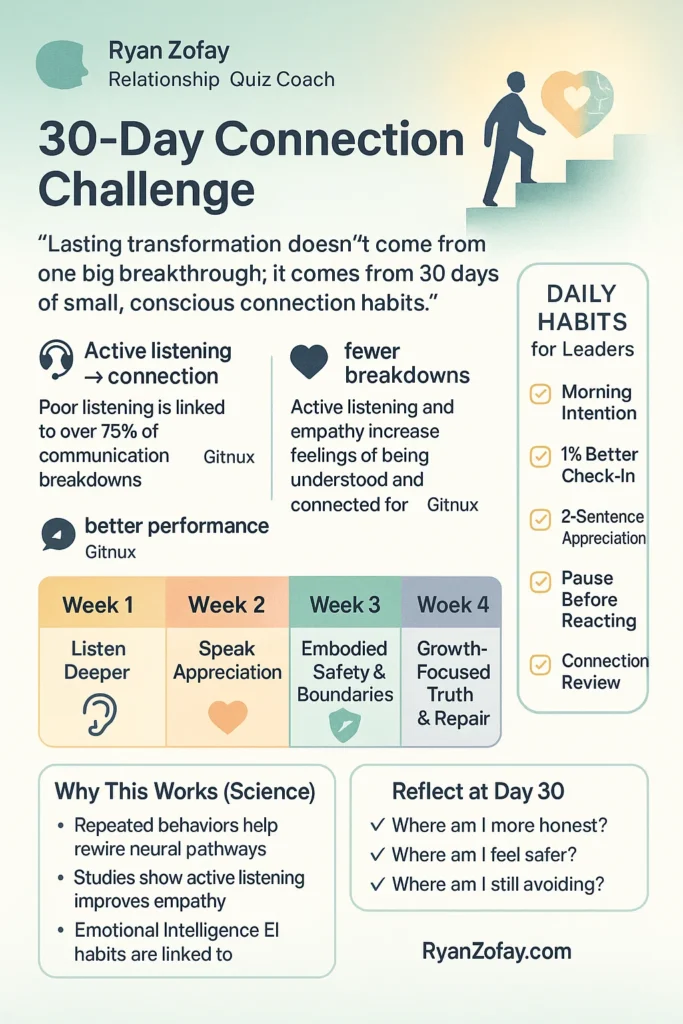
I used to listen only to reply, not to understand. This destroyed my relationships and my ability to lead. The seven habits of highly effective people taught me empathetic listening.
When I sit down with a team member or a person in recovery, I listen to their heart, not just their words. This is the core of Emotional Intelligence. When people feel understood, they lower their defenses, and real transformation can happen.
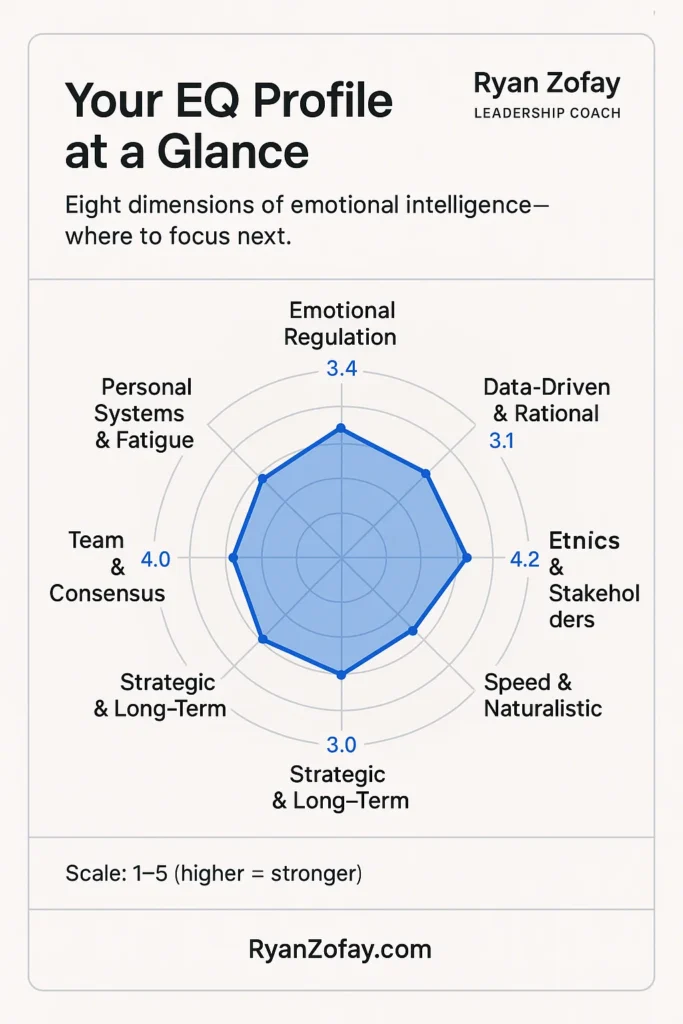
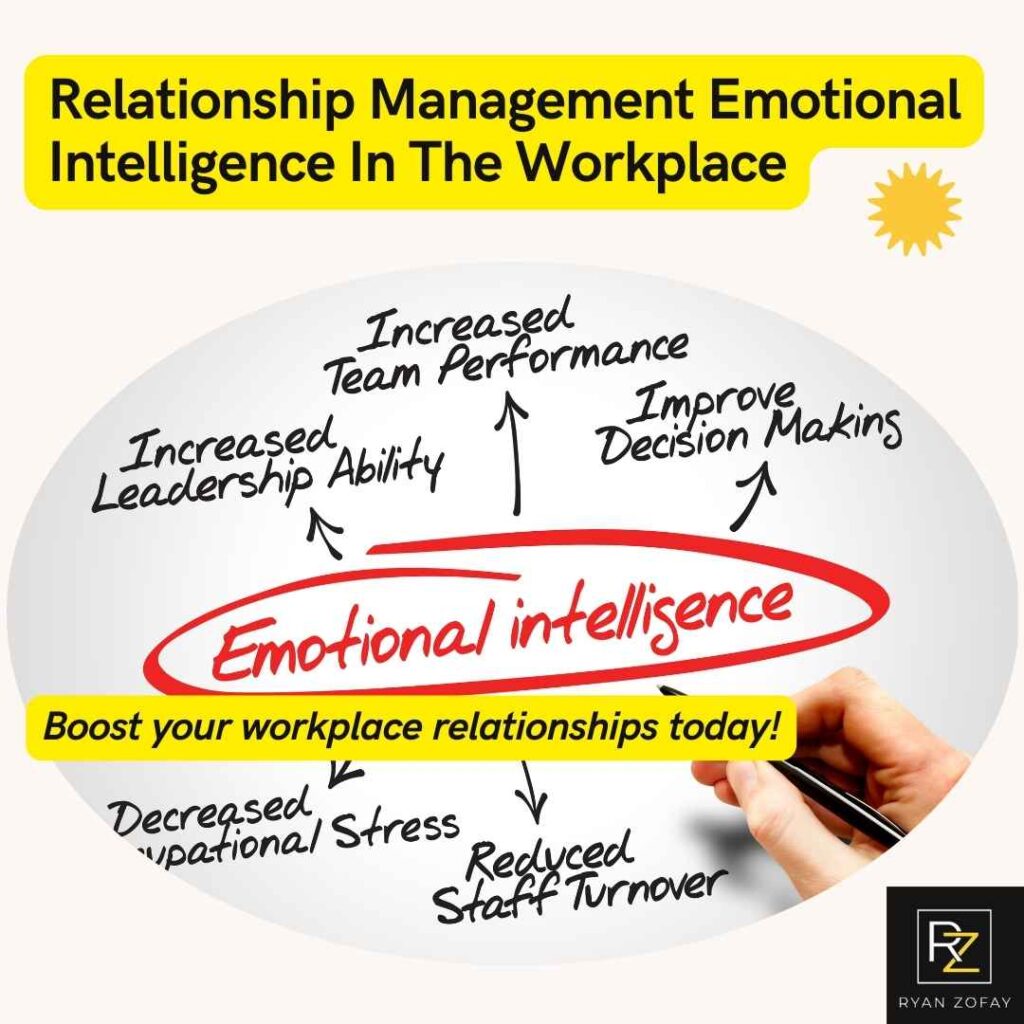
This is emotional maturity in motion.
Coaching example
My example:
When I was younger, I listened to respond. Now I listen to understand. That shift alone upgrades marriages, leadership, and conflict resolution.
Coach tip: “Mirror and label”
Before making your point:
- Mirror their last sentence (repeat it back)
- Label the emotion: “Sounds like you felt disrespected.”
- Ask: “Did I get that right?”
Activity: One Conversation Upgrade
Pick one relationship.
Just write it down and say: “Thank you. I’m going to work on it.”
Ask: “What’s one thing I do that shuts you down?”
Don’t defend yourself.
Habit 6: Synergize
Synergy is the understanding that the whole is greater than the sum of its parts. I could not have built a 9-figure business alone. I needed a team.
Seven habit of highly effective people principles dictate that you must value differences. I hire people who are stronger than me in areas where I am weak. Together, we create solutions that none of us could have found on our own.
- Resource: Learn about my approach to Leadership Training Programs to build high-performing teams.

Remember, synergy is when the outcome becomes better than either person could produce alone.
Coaching example
My example:
To build real impact at scale, you need teams—not heroes. Synergy requires humility, standards, and clear roles.
How to create synergy quickly
- Define the goal (one sentence)
- Define roles (who owns what)
- Define standards (what “excellent” means)
- Define cadence (how you track progress)
Activity: Synergy Meeting Template
In your next team meeting:
5 minutes: commitments + deadlines
5 minutes: goal + scorecard
10 minutes: obstacles
10 minutes: solutions
Habit 7: Sharpen the Saw (Renewal & Long-Term Performance)
You cannot drive a car with an empty tank. I learned this the hard way through burnout. This habit is about renewing yourself physically, spiritually, mentally, and socially.
I take time for cold plunges, morning meditation, and reading. If you are looking for a seven habits of highly effective people PDF or Seven Habits of Highly Effective People Cliff Notes, you are missing the point. You need to live these habits, and that requires energy.
- Resource: Discover How to Practice Mindfulness to keep your mind sharp.
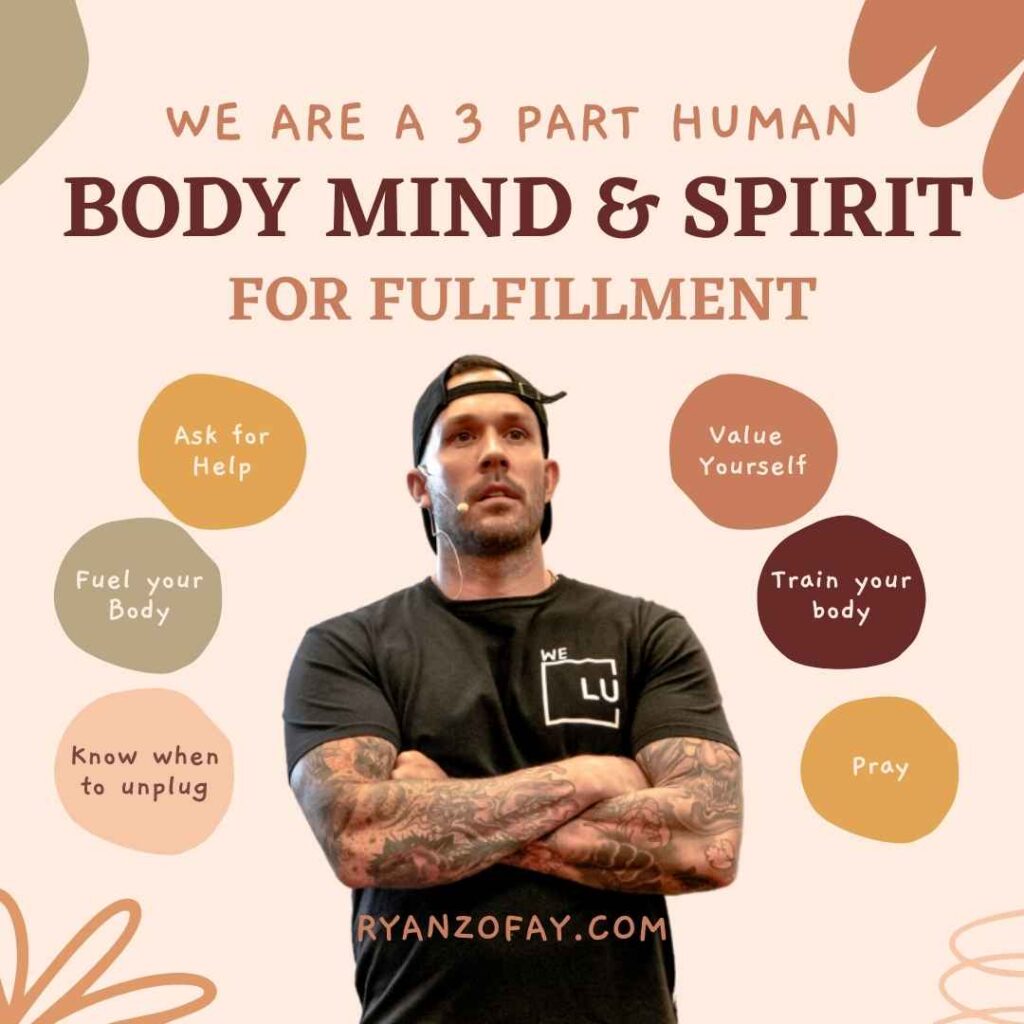
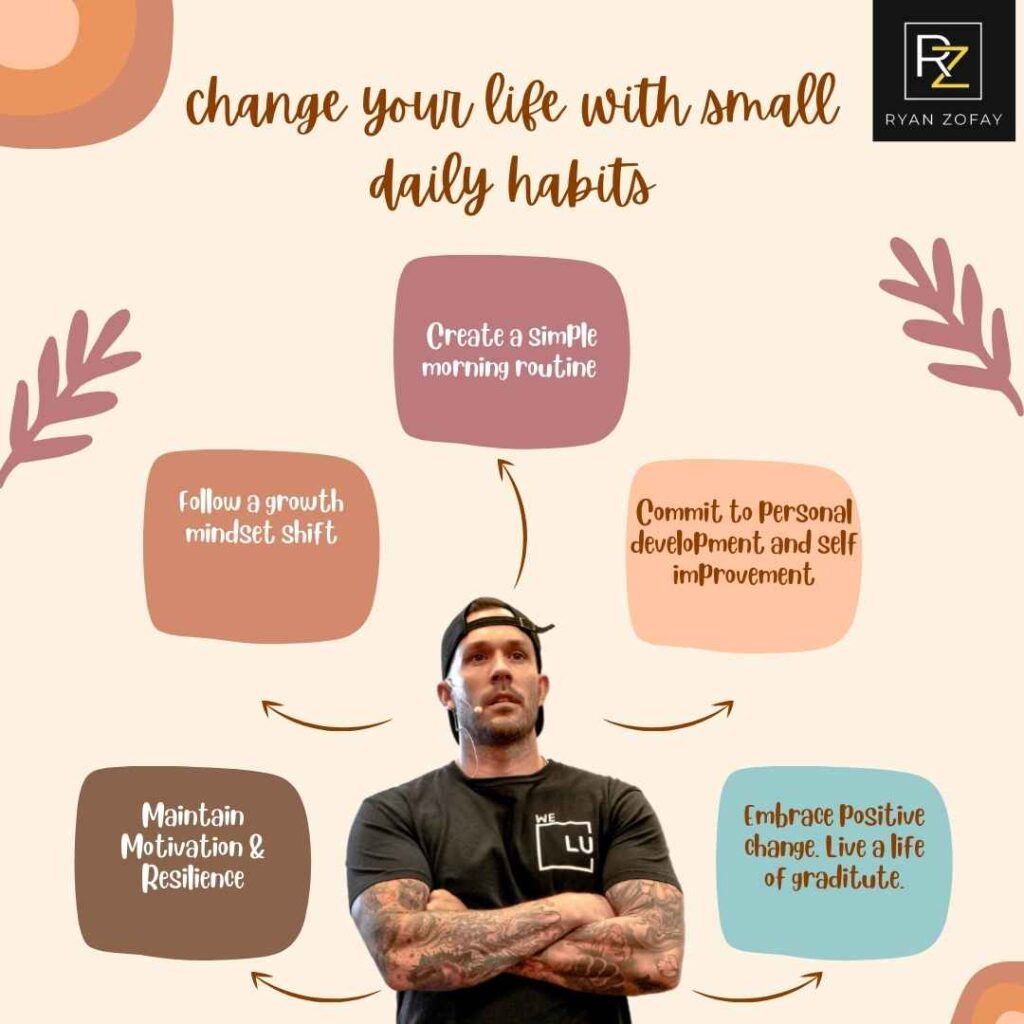
This habit is why high performers stay high performers.
Coaching example
My example:
The old version of me burned out and escaped. The new version of me regenerates on purpose: training, reflection, spiritual grounding, learning, and recovery.
Four dimensions (Covey)
- Physical
- Mental
- Emotional/social
- Spiritual
Activity: The 20-Minute Daily Renewal
- 10 minutes: movement
- 5 minutes: journaling (wins + lessons)
- 5 minutes: quiet (prayer/meditation/breathwork)
Habits → Outcomes → What I Teach Clients To Do
| Habit | Outcome | My coaching action step |
|---|---|---|
| Be Proactive | Ownership & emotional control | Control list + daily proactive action |
| Begin With the End in Mind | Identity clarity | 3-year identity statement |
| Put First Things First | Execution & discipline | Weekly Big 3 + time blocks |
| Think Win-Win | Trust & influence | Win-Win deal sheet |
| Seek First to Understand | Better relationships | Mirror/label + hard conversation |
| Synergize | Higher output | Roles + standards + cadence |
| Sharpen the Saw | Sustainable success | Daily renewal routine |
The Seven Habits of Highly Effective People Summary (Coach’s Version)
Here’s my seven habits of highly effective people summary in plain language:
- Habit 1–3: Master yourself (ownership, vision, execution)
- Habit 4–6: Master relationships (trust, communication, collaboration)
- Habit 7: Maintain your edge (renewal so you don’t break)
That’s the entire framework.
“Cliff Notes” for Fast Implementation (My Real-World Shortcut)
Keyword integration: seven habits of highly effective people cliff notes
If you want my “do this first” version:
- Be Proactive: stop blaming, start choosing
- Habit 2: write a clear 3-year vision
- Habit 3: time-block the 2 most important priorities daily
- Habit 5: ask better questions before making your point
- Habit 7: protect your energy like it’s your job
If you do nothing else, do those consistently for 30 days.
Comparison: The Old Way vs. The Effective Way
| The Struggle (Dependent) | The Success (Interdependent) |
|---|---|
| Reacting to problems | Proactive problem solving |
| Working without a plan | Begin with the End in Mind |
| Urgent distractions first | Put First Things First |
| Win-Lose mentality | Win-Win agreements |
| Talking over people | Seek First to Understand |
| Working in silos | Synergize |
| Burnout and fatigue | Sharpen the Saw |
My 3 Bonus Habits for Impact & Influence
While the seven habits of highly effective people book changed my life, scaling to the level of “The 1%” required me to go further. Here are the three additional habits I developed to skyrocket my influence and business growth.

Bonus Habit 8: Radical Vulnerability
In the business world, we are taught to wear a mask. We are taught to look perfect. I found that my greatest power came when I took the mask off.
Sharing my story of addiction, incarceration, and failure didn’t make people respect me less; it made them trust me more. Vulnerability is the bridge to connection. If you want to build a brand that resonates, you must be willing to be real.
- Insight: People don’t buy from businesses; they buy from people they trust.
- Resource: Read about my journey in Dreaming the American Dream.
Bonus Habit 9: Master the Art of Communication
You can have the best ideas in the world, but if you cannot communicate them, you cannot lead. I invested heavily in learning public speaking and persuasion.
Whether it is a one-on-one sales call or a keynote speech in front of thousands, the ability to move people with your words is the ultimate leverage. It is not just about speaking; it is about influencing outcome.
- Resource: Check out my Public Speaking Courses to master the stage.
- Resource: Learn How to Win Friends and Influence People.
Bonus Habit 10: Relentless Action (The 1% Mindset)
Knowledge without action is delusion. You can read the seven habits of highly effective people pdf books, buy the seven habits of highly effective people workbook, and take the seven habits of highly effective people course, but if you don’t act, you lose.
I realized that to be in the top 1%, I had to do what the 99% were unwilling to do. I had to make the calls, have the tough conversations, and wake up early when I wanted to sleep in. Motivation gets you started; habit keeps you going.
- Activity: Watch my video on “I Need, I Must, I Can” to shift your state immediately.
- Resource: Get my tips on How to Get Motivated for maximum results.
The Science Behind The Seven Habits of Highly Effective People
High-performing leadership is increasingly defined by three measurable factors:
- Psychological safety is a top driver of team performance—teams speak up, share risks early, and innovate faster (Google Project Aristotle; Edmondson’s research).
- Empathy execution gaps are measurable: 78% of senior leaders say empathy matters, but only 47% believe their company practices it effectively (Harvard Business Impact).
- If–Then planning (“implementation intentions”) improves follow-through, supported by a meta-analysis synthesizing ~94 tests on goal achievement effects.
These are not “soft skills”—they are performance systems with research-backed mechanisms.
Studies Suporting The Seven Habits of Highly Effective People + Practical Leadership Application
| Findings + Stats + Studies | Insights, Tips, DIY Activities/Exercises + Links |
|---|---|
| Psychological safety is a top predictor of team effectiveness. Teams perform better when people feel safe to speak up, take smart risks, and admit mistakes—driving faster learning and innovation. Key data points: – Google studied 180+ teams and identified psychological safety as the most important dynamic of high-performing teams. Studies / Sources: – https://rework.withgoogle.com/intl/en/guides/understanding-team-effectiveness/ – https://www.capstoneleadership.net/wp-content/uploads/2025/02/Googles-Project-Aristotle_Teamwork-and-Psych-Safety.pdf | Psychological safety is the fastest performance unlock—people can’t execute at their best if they’re protecting themselves. DIY — “One Question That Changes Meetings” (30 seconds): Ask: “What are we not saying that needs to be said?” then pause 10 seconds. DIY — Radical Vulnerability: 3-Sentence Trust Builder: 1) “Here’s what I know.” 2) “Here’s what I don’t know yet.” 3) “Here’s what I’m doing next.” Guide (Control / Ownership): https://ryanzofay.com/circle-of-influence-circle-of-concern/ |
| Psychological safety increases learning behaviors, creativity, and smart risk-taking. Research shows that when people don’t fear embarrassment or punishment, they contribute ideas, ask questions, and engage in learning behaviors—improving execution quality. Practical proof: – Edmondson’s work connects safety to stronger learning processes and more adaptive team performance. Studies / Sources: – https://www.library.hbs.edu/working-knowledge/four-steps-to-build-the-psychological-safety-that-high-performing-teams-need-today | The Seven Habits of Highly Effective People – Habit 5: The 3-Level Listening Rule Listen for: Facts → Feelings → Needs Respond: “What I’m hearing is…” DIY — Safety Response Script (90 seconds): When someone flags a mistake, say: “Thank you. What did we learn? What will we change next time?” Communication discipline guide: https://ryanzofay.com/mastering-think-before-you-speak/ |
| Empathy gap in leadership is measurable (execution vs intent). Empathy is widely valued but inconsistently practiced, creating disengagement, silence culture, and trust decay. Key data point: – 78% of senior leaders say empathy matters, but only 47% believe their company practices it effectively. Studies / Sources: – https://www.harvardbusiness.org/insight/empathetic-leadership-how-to-go-beyond-lip-service/ | Empathy isn’t what you feel—it’s what people experience from your behavior. The Seven Habits of Highly Effective People Habit 1: Proactive Reset (2 minutes) Ask: “What do I control today?” Replace: “I have to” → “I choose to.” DIY — 2-Minute Empathy Check-In: “What’s the most stressful part of your work right now?” “What would support look like this week?” Guide (Emotional mastery under pressure): https://ryanzofay.com/how-to-master-your-emotions/ |
| Implementation intentions (“If X happens, then I do Y”) increase goal follow-through. If–Then planning strengthens cue-response links and reduces decision fatigue under stress by pre-deciding the behavior. Key data point: – Meta-analysis synthesizes evidence across ~94 tests showing implementation intentions improve goal achievement. Studies / Sources: – https://www.researchgate.net/profile/Peter-Gollwitzer-2/publication/37367696_Implementation_Intentions_and_Goal_Achievement_A_Meta-Analysis_of_Effects_and_Processes/links/59d91a24a6fdcc2aad0d8c1f/Implementation-Intentions-and-Goal-Achievement-A-Meta-Analysis-of-Effects-and-Processes.pdf – https://www.decisionskills.com/uploads/5/1/6/0/5160560/2006_gollwitzersheeran_implementation_intentions.pdf | If you don’t decide in advance, stress decides for you. DIY — “If–Then Under Pressure” (5 minutes): – If I feel defensive in a meeting → then I ask one clarifying question before replying. – If I want to avoid a hard conversation → then I send a 2-sentence opener in 10 minutes. Habit 3: Priority Power Move (Daily) Pick 1 “Quadrant II” action and schedule it before checking messages. Guide (Mindset + execution systems): https://ryanzofay.com/success-coach-guide/ |
The Seven Habits of Highly Effective People Statistics / Data Studies Takeaways
- Psychological safety consistently predicts stronger learning behaviors, creativity, and team performance—and Google’s Project Aristotle identified it as the most important team dynamic across 180+ teams.
- Empathy gaps are measurable (78% vs 47%), meaning most organizations value empathy in theory but fail to operationalize it—leading to disengagement and reduced voice behavior.
- If–Then planning is highly evidence-backed, with meta-analytic research synthesizing ~94 tests showing improved goal achievement through cue-response automation under stress.
Transform Your Life Today (Activities & Resources)
I don’t want you to just read this seven habits of highly effective people summary and move on. I want you to apply it. Here are specific steps you can take right now.
Actionable Exercises
- The Funeral Test (Habit 2): Spend 10 minutes in a quiet room visualizing your own funeral. Who is there? What are they saying? Write it down. This is your True North.
- The “No” Challenge (Habit 3): Identify three things on your calendar this week that do not align with your long-term goals. Cancel them.
- The Empathy Walk (Habit 5): In your next conversation, repeat back what the other person said before you offer your own opinion. Start with, “So what I’m hearing is…”
Essential Video Resources
Go to my YouTube channel and search for these videos to deepen your understanding:
- “From Rock Bottom to Business Success” – My personal story of Habit 1.
- “I Need, I Must, I Can” – A framework for Habit 10 (Action).
- “Understanding The Connection Between Your Thoughts” – Insights on Habit 7 (Mindset).
Your Growth Library
To help you on this journey, I’ve curated a list of resources from my site that align with these habits:
- Habit 1: How to Overcome Self-Doubt
- Habit 2: Personal Development Goals for Work Examples
- Habit 3: Developing a Daily Routine PDF
- Habit 4: Does Servant Leadership Emphasize Coaching?
- Habit 6: Business Management Courses
- Habit 7: Morning Meditation
- Bonus: How to Find Your Passion
- Bonus: Building a Story Brand
- Bonus: Business Coach Near Me
Using the Book, Workbook, Course, and PDFs (Important Note)
Keywords included:
- the seven habits of highly effective people book
- seven habits of highly effective people workbook
- seven habits of highly effective people course
- seven habits of highly effective people pdf
- the seven habits of highly effective people pdf books
People often search for seven habits of highly effective people pdf or the seven habits of highly effective people pdf books. I’ll be direct:
- The best and most ethical route is to buy the book and/or workbook, or enroll in an authorized Franklin Covey program.
- PDFs you find floating around online are often unauthorized and incomplete.
If you want to study this deeply, I recommend you do it the right way—because integrity is literally what the Habits are about.
21 Coach-Level Tips & Insights (Fast Wins)
- Habits don’t work if your identity doesn’t change.
- Your calendar tells the truth about your priorities.
- “Being proactive” is emotional mastery, not positive thinking.
- Habit 2 is about values, not goals.
- Habit 3 requires saying “no” to good things.
- Win-Win requires boundaries.
- Listening is a leadership skill.
- Synergy requires standards, not vibes.
- Renewal is not optional; it’s a performance strategy.
- Consistency beats intensity.
- Momentum is created through micro-wins.
- Self-respect is built through self-kept promises.
- If you can’t manage your morning, you can’t manage your life.
- Your environment is either a weapon or a weakness.
- Discipline is self-love in action.
- Clarity creates confidence.
- You don’t need more time—you need fewer distractions.
- Ownership fixes what therapy alone can’t.
- Integrity builds wealth faster than shortcuts.
- Your relationships are part of your net worth.
- You become what you repeatedly do.
Activities: A 7-Day “Highly Effective” Challenge (Ryan Zofay Version)
Day 1 — Habit 1:
Write a Control List + take one proactive action.
Day 2 — Habit 2:
Write your 3-year identity statement.
Day 3 — Habit 3:
Time-block your Big 3 priorities.
Day 4 — Habit 4:
Have one Win-Win conversation (even if uncomfortable).
Day 5 — Habit 5:
Ask 5 questions before you give advice.
Day 6 — Habit 6:
Do one synergy session: role clarity + commitments.
Day 7 — Habit 7:
Design a daily renewal routine you can sustain.
Your Legacy Begins Now
We often look for the seven habits of highly effective people quotes to post on social media, but we rarely do the deep work required to embody them.
My journey from a jail cell to the boardroom wasn’t luck. It was the result of applying these principles relentlessly. Covey’s seven habits of highly effective people provided the structure, but my willingness to be vulnerable, communicate effectively, and take massive action provided the fuel.
You have the potential to create a life of impact. You can build a business that serves others and provides freedom for your family. But you have to start today. You have to decide that you are no longer a victim of your circumstances, but the architect of your future.
If you are ready to level up your life and business, don’t walk this path alone. Join our community of leaders.